State sugar mill leases risk exposing consumers to higher prices - report
A World Bank and CAK report warns that 30-year leases of Kenya’s state sugar mills, after major debt write-offs and grants, may entrench dominance and keep consumer sugar prices high.
State-owned sugar factories leased to private operators risk failing to improve market competition unless long-standing structural issues in the sector are addressed.
In a joint report, the World Bank Group and the Competition Authority of Kenya (CAK) warned that previous government debt write-offs and cash grants to Nzoia, Muhoroni, Sony and Chemelil sugar mills have distorted the market, leaving consumers at risk of higher sugar prices.
More To Read
- Senator Hamida demands clarity on Kenya’s new food labelling rules
- MPs approve strict oversight framework for Kenya Pipeline ahead of privatisation
- CBK to roll out compensation rules for e-money and digital wallet fraud
- Kenya moves to shield consumers from online market abuses with tough new bill
- Competition Authority opposes proposal to reserve 60 per cent of logistics business for Kenyans
- Kenya moves closer to crypto regulation as MPs back joint oversight of digital asset sector
The agencies said the 30-year leases of mills, effective from May 2025, may not achieve genuine market discipline if competition concerns in both the leasing process and the broader sector are not addressed.
“The GOK [government] has sought to increase private investment and market discipline through the leasing of State-owned mills, although competition concerns remain in the implementation of leasing processes,” reads the report.
The report notes that the government’s heavy support to State-owned mills over the past decade, including debt waivers and direct cash injections, has shielded inefficient firms and prevented more efficient private players from expanding.
Key interventions include a Sh117 billion debt waiver in 2023, covering loans from the Sugar Development Fund and accumulated taxes and penalties. A Sh62 billion debt write-off was also carried out in 2020 by the previous administration.
Direct cash support included a Sh150 million bonus to Mumias farmers in January 2025 and a Sh166 million non-reimbursable grant to Muhoroni in 2022 to settle arrears to farmers and suppliers.
“Such transfers from Kenyan taxpayers to state-owned mills create an unlevel playing field between private and state-owned mills, preventing more efficient firms from expanding and putting resources to higher-value use,” the agencies warned.
The report highlighted that structural concerns remain, particularly the high cost of domestic sugar production compared with imports. Domestic ex-factory prices jumped more than 40 per cent annually in 2022 and 2023, outpacing cane prices and global trends.
“Benefits from higher prices accrued to millers as opposed to farmers,” the report states, adding that restrictive trade policies have limited imports from reducing retail sugar prices.
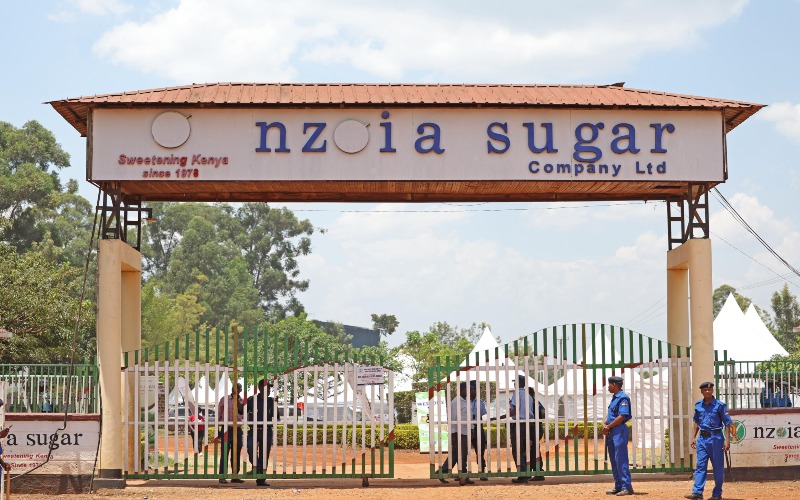
The government has leased Nzoia to West Kenya Sugar Company, Chemelil to Kibos Sugar & Allied Industries Ltd, Sony to Busia Sugar Industry Ltd and Muhoroni to West Valley Sugar Company Ltd, citing the move as a way to attract private investment and improve operational efficiency.
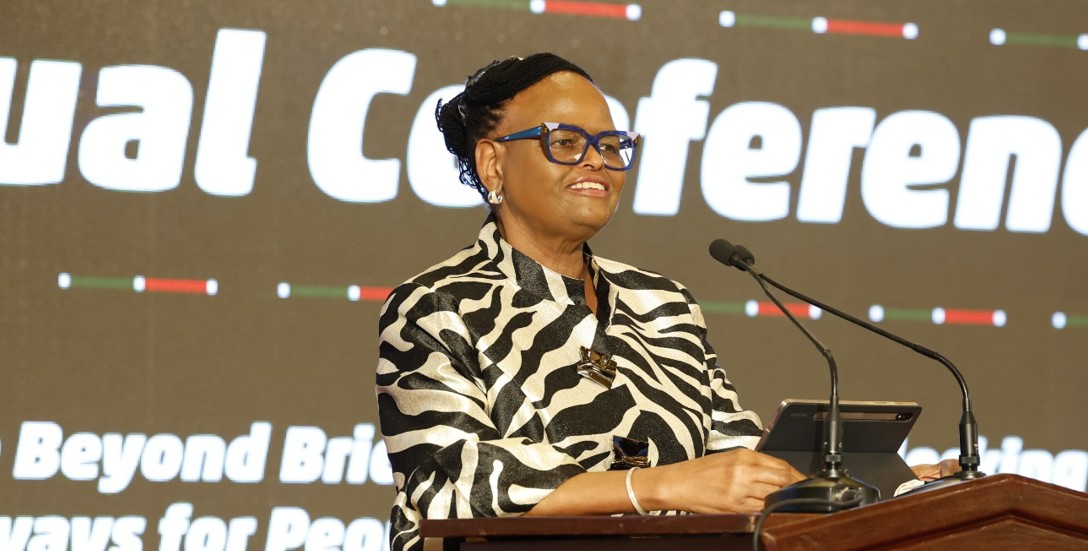
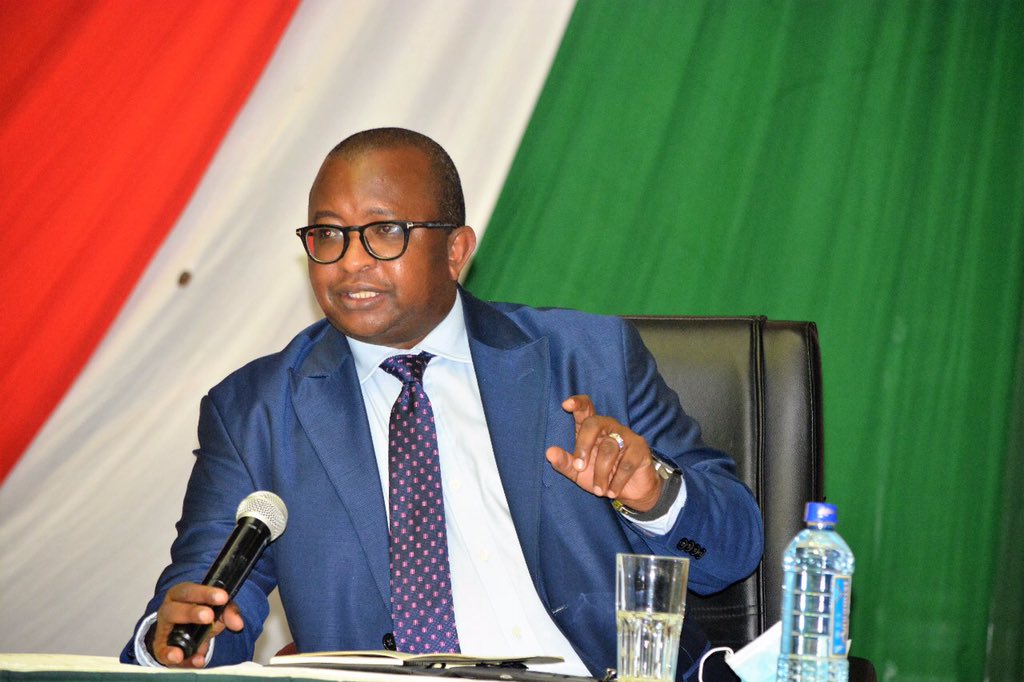
However, CAK’s director for Competition and Consumer Protection, Amenya Omari, highlighted legal gaps that limit the authority’s oversight during privatisation.
“The greatest challenge is the lack of an enabling legal provision that enables the Competition Authority to have a bigger role in the privatisation process,” he said, warning that the sector remains exposed to risks of entrenched market dominance.
Top Stories Today