Galana Kulalu gazetted as special economic zone to boost food production
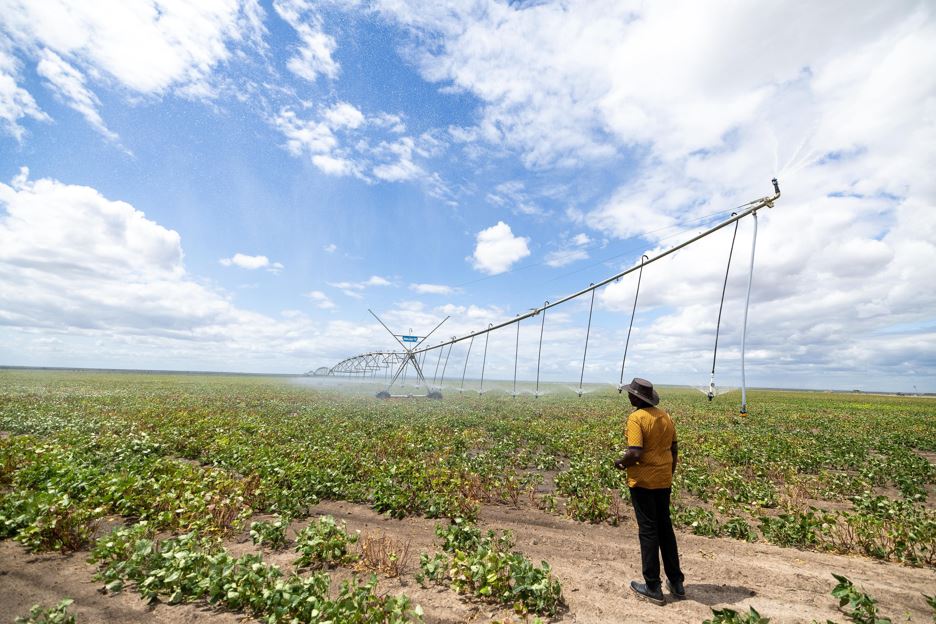
Located on the border of Kilifi and Tana River counties, the project is one of Kenya’s largest initiatives to boost local food production through irrigation.
Kenya has officially gazetted Galana Kulalu as a Special Economic Zone (SEZ), in a move aimed at unlocking the country’s large-scale farming potential and attracting global agribusiness investment.
Agriculture Cabinet Secretary Mutahi Kagwe announced the development on Tuesday, highlighting that the SEZ status will accelerate value addition in edible oils, cereals, horticulture, livestock and industrial crops.
More To Read
- Galana Kulalu electrification project set to power food security push
- Senators demand locals benefit first from Sh2.9 billion Galana Kulalu electrification project
- Afreximbank, KCB seal Sh103 billion deal to operationalise Vipingo SEZ
- Kilifi set to become manufacturing hub with launch of Sh16 billion industrial park
- Kenya to review Special Economic Zones framework to end abuse by real estate developers
- MPs demand answers over 301,000-acre Galana Kulalu land takeover
Kagwe added that investors will enjoy tax breaks, faster approvals and better infrastructure across the SEZ.
Located on the border of Kilifi and Tana River counties, the project is one of Kenya’s largest initiatives to boost local food production through irrigation.
“Kenya cannot afford idle land while we are importing food. All counties must bring forward land that can be productive, and we will partner with private investors to unlock its full value," said the Agriculture CS.
To make it easier for investors to get started, the Ministry has launched a one-stop LCI (Large-Scale Commercial Investment) Office, where all approvals are handled in one place.
According to Kagwe, this means farmers and agribusinesses can secure land for projects in just a month, helping Kenya compete as a top destination for agricultural investment.
He added that private-sector investment will be a key driver of the country’s farming future, citing Nyumba Group as a prime example of what can be achieved under the LCI framework.
According to Kagwe, Nyumba Group has taken a lead role by leasing 300,000 acres and pouring more than $50 million (Sh6.4 billion) into building the farm and installing irrigation systems.
Nyumba Group has developed 20,000 acres for extensive crop farming and set up dams, canals, and irrigation systems, showing how Kenya’s plan to make productive use of land is working on the ground.
The project has also generated over 3,000 jobs so far, supporting local communities and stimulating economic growth along the coast.
Other firms working at Galana Kulalu include SeluFarm Limited, Bayer Crop Science, Yara, and Irrico International.
In total, the Ministry is leasing 1.8 million acres to private investors, with the land earmarked for food crops, livestock feed, horticulture, irrigated farming and agro-industrial ventures.
“The era of idle land is over. This initiative will create jobs, grow industries, attract capital and secure our nation’s agricultural future,” said Kagwe.
Top Stories Today