CBK cuts lending rate to 9.00 per cent to boost business and household borrowing
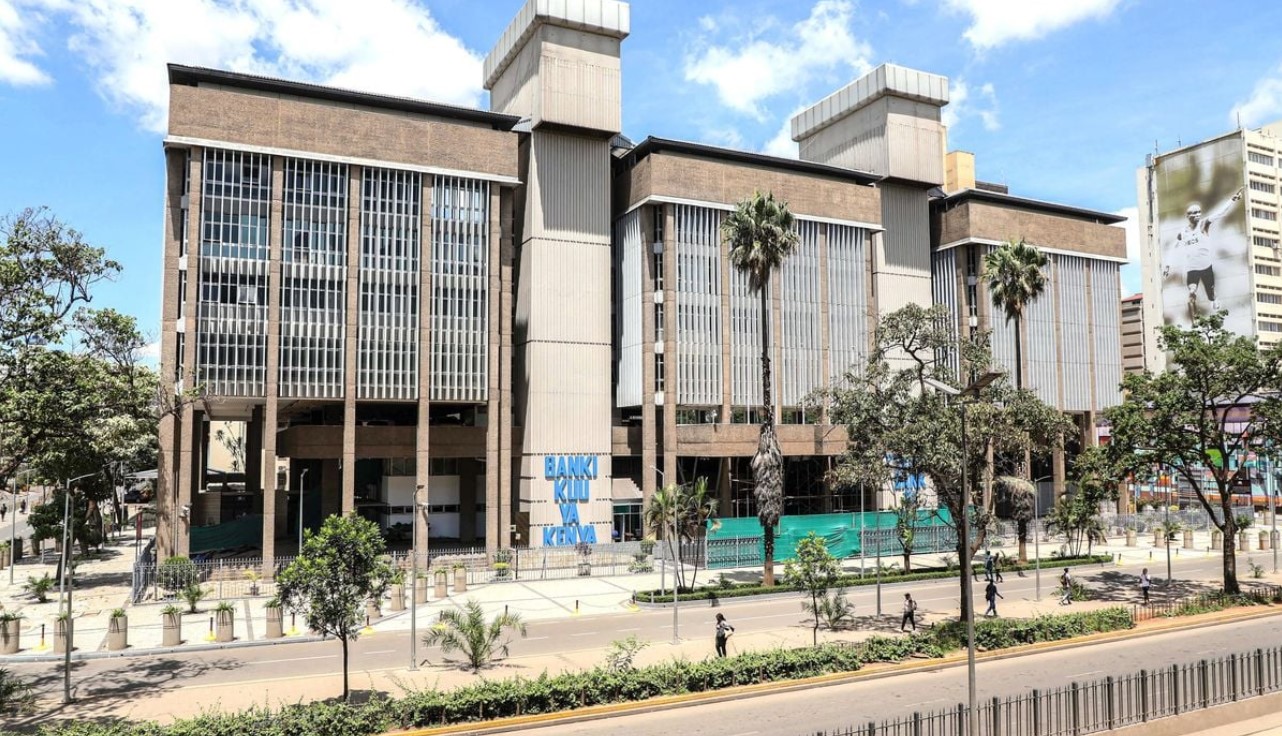
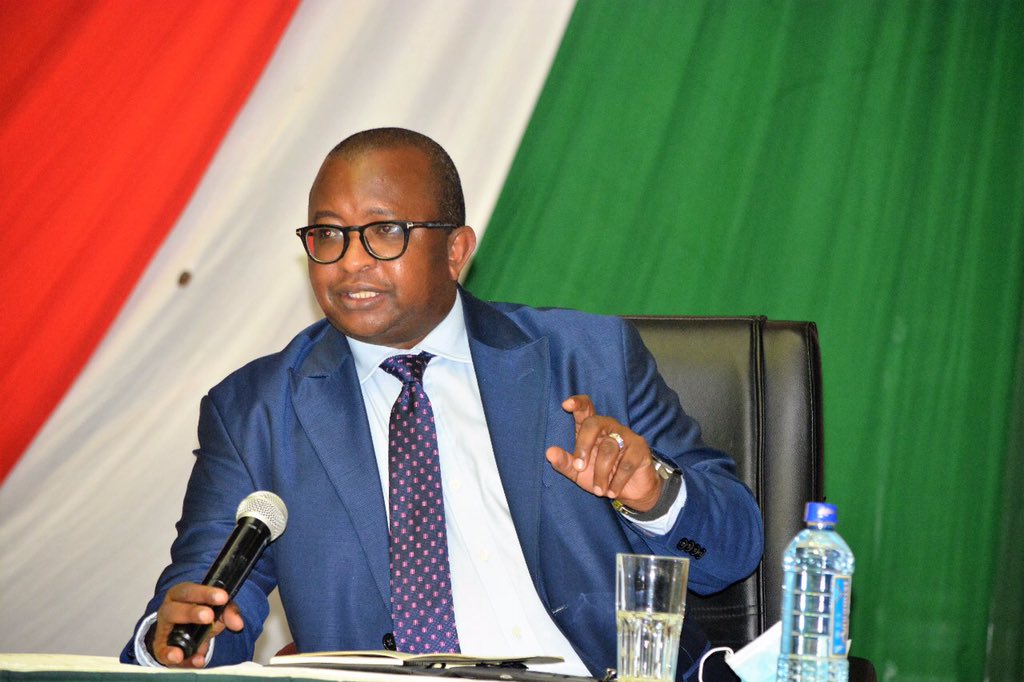
Monetary Policy Committee (MPC) Chairman Kamau Thugge said the move is designed to sustain economic growth while keeping inflation and exchange rates stable.
The Central Bank of Kenya (CBK) has cut the lending rate to 9.00 per cent, down from 9.25 per cent, to encourage more lending to businesses and households.
In a statement on Tuesday, Monetary Policy Committee (MPC) Chairman Kamau Thugge said the move is designed to sustain economic growth while keeping inflation and exchange rates stable.
More To Read
- CS Mbadi tables new banking rules targeting non-compliance, unethical practices
- Businesses project job growth, stronger sales as festive season draws near
- Kenyans to access cheaper loans as CBK cuts lending rate to 9.25 per cent
- Banks urge CBK to cut base rate to spur private sector lending
- Kenya has introduced new banking policies; an economist weighs them up
- CBK: Microfinance banks struggling with loan defaults amid shrinking deposits
“There is scope for a further easing of the monetary policy stance by reducing the CBR,” Thugge said, noting that the reduction will support private sector lending while ensuring inflationary expectations remain anchored and the exchange rate remains stable.
The MPC noted that Kenya’s overall inflation declined to 4.5 per cent in November 2025 from 4.6 per cent in October, remaining below the midpoint of the target range of 5±2.5 per cent.
Core inflation fell to 2.3 per cent from 2.7 per cent, mainly due to lower prices of processed foods such as maize flour and sugar.
Non-core inflation, however, rose to 10.1 per cent from 9.9 per cent, driven by higher prices of vegetables, particularly tomatoes, onions, and cabbage. The Committee said it expects overall inflation to remain below the midpoint of the target range in the near term, supported by stable energy prices, lower processed food costs and continued exchange rate stability.
Kenya’s economy has also shown resilience in the first half of 2025, with real GDP growth averaging 4.9 per cent, supported by a rebound in industrial activity, stable growth in agriculture and resilient service sectors. Thugge said leading indicators point to improved performance in the third quarter.
He noted that the economic growth is projected to reach 5.2 per cent in 2025 and 5.5 per cent in 2026, driven by key service and agriculture sectors and the continued recovery of industry.
However, the outlook is subject to risks, including adverse weather conditions, elevated trade policy uncertainties and geopolitical tensions.
The November 2025 Agriculture Sector Survey indicated expectations of improved food supply from recent maize harvests, stable fuel prices, and exchange rate stability to support steady inflation. However, respondents also noted that seasonal factors during the December festivities and higher vegetable prices could push inflation moderately higher.
The CEOs Survey and Market Perceptions Survey conducted in November showed sustained optimism about business activity and growth over the next 12 months.
“The optimism was attributed to resilient agricultural production supported by favourable weather, stable macroeconomic conditions, low inflation, stable exchange rate, declining interest rates, and improved private sector credit growth,” the MPC noted.
Some respondents, however, expressed concerns over subdued consumer demand, high business costs and global uncertainties, including higher tariffs and geopolitical tensions.
The current account deficit stood at 2.2 per cent of GDP in the 12 months to October 2025, compared with 1.5 per cent in the same period in 2024, largely due to higher imports of intermediate and capital goods.
Goods exports rose by 6.7 per cent, led by horticulture, coffee, manufactured goods and apparel, while goods imports increased 9.6 per cent. Services receipts rose 4.8 per cent, supported by travel and diaspora remittances increased by 5.8 per cent. The MPC projects the current account deficit to remain at 2.3 per cent of GDP in 2025 and 2026, fully financed by financial account inflows, resulting in overall balance of payments surpluses of USD 1,938 million in 2025 and USD 681 million in 2026.
CBK foreign exchange reserves currently stand at USD 12,092 million, equivalent to 5.25 months of import cover, providing a buffer against short-term shocks.
The MPC said the banking sector remains stable, with strong liquidity and capital adequacy. Gross non-performing loans fell to 16.5 per cent in November from 16.7 per cent in October. Declines were noted in mining and quarrying, energy and water, personal/household, and transport and communication sectors. Lending to the private sector rose 6.3 per cent in November from 5.9 per cent in October, driven by stronger credit demand and declining lending rates. Average commercial bank lending rates fell to 14.9 per cent from 15.0 per cent in October.
The MPC also highlighted the upcoming Risk-Based Credit Pricing Model, noting that it is expected to be fully operational by March 2026, which will enhance the transmission of monetary policy to bank lending rates and improve transparency in loan pricing.
Thugge said the MPC will continue to monitor the effects of the CBR reduction as well as domestic and global economic developments and will reconvene in February 2026.
Top Stories Today