Nairobi eyes Sh60 billion annual revenue under National Rating Act

Nairobi plans to use the National Rating Act, 2024 to modernise land valuation, tax all 250,000 parcels and unlock about Sh60 billion yearly, as senators question missed revenue targets.
Nairobi County government says it will leverage the newly enacted National Rating Act, 2024, in a bid to boost internal revenue and unlock an estimated Sh60 billion in annual income from land and building rates.
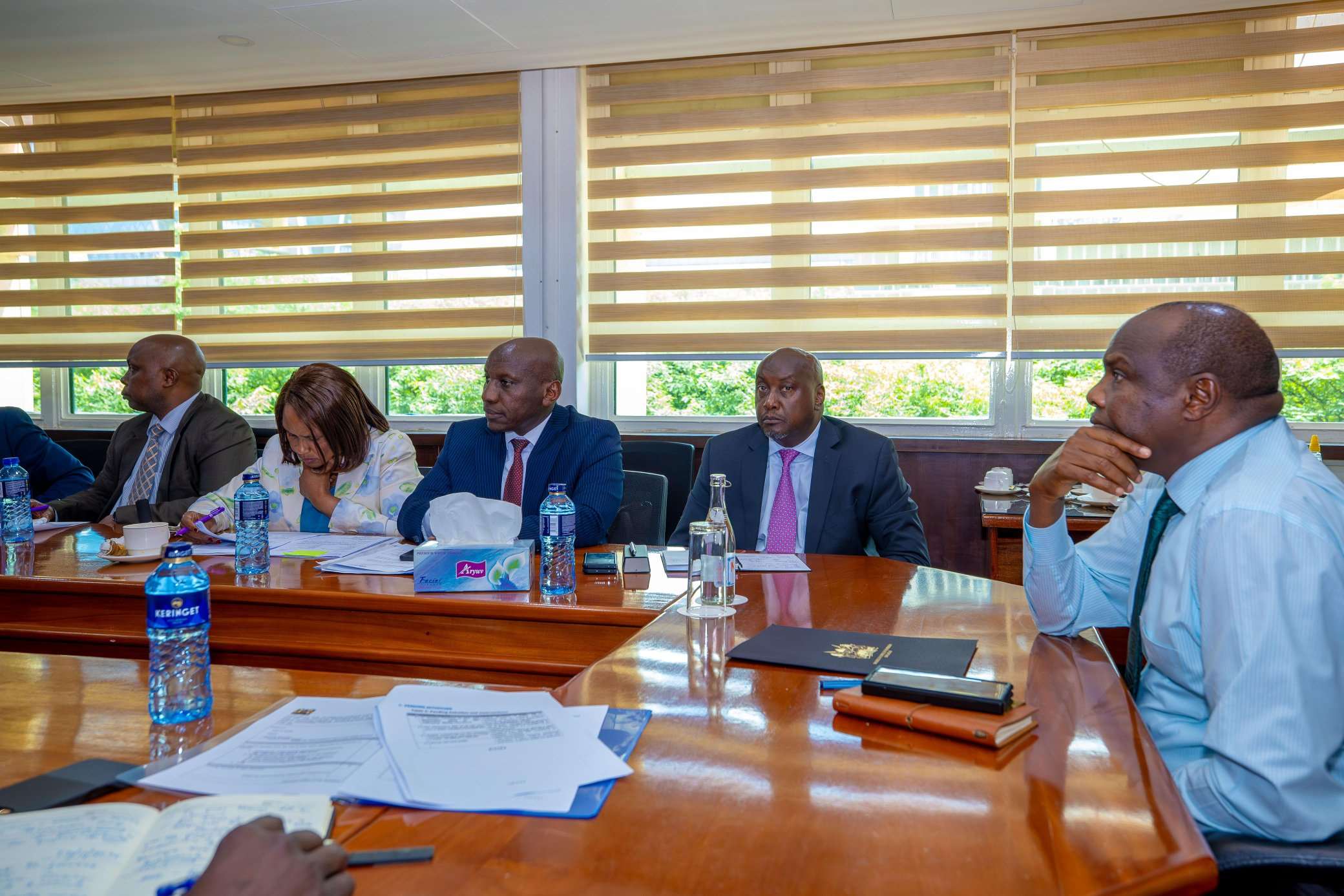
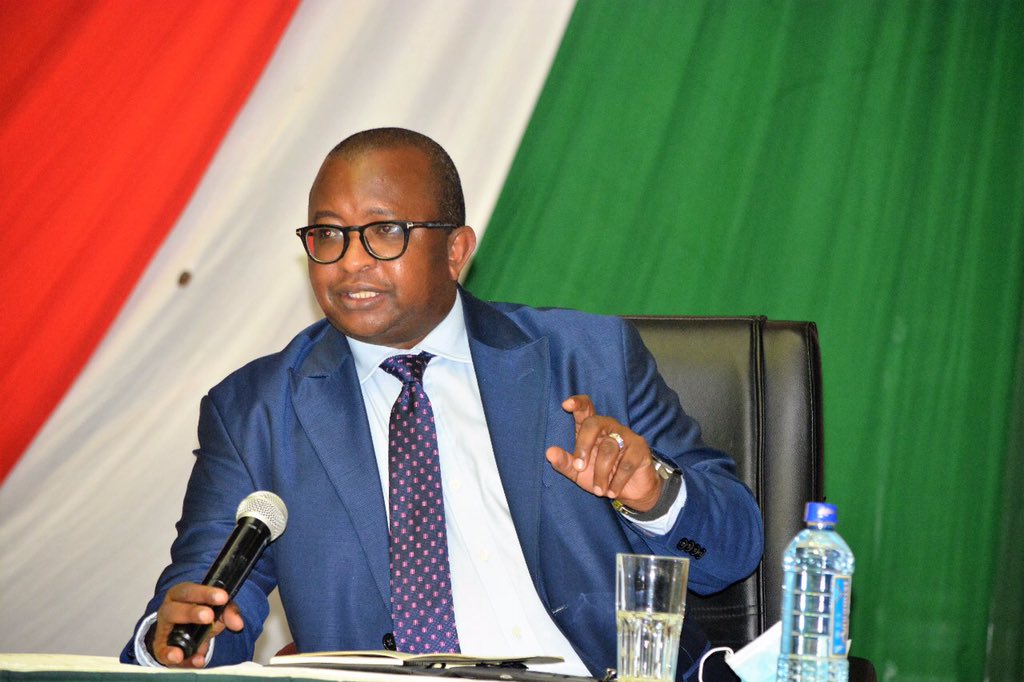
Appearing before the Senate County Public Accounts Committee, Nairobi Governor Johnson Sakaja said once fully implemented, the law will modernise land valuation, expand the tax base and strengthen enforcement, helping the city recover billions lost to under-collection.
More To Read
- We inherited Sh118 billion in pending bills, Nairobi Governor Sakaja tells Senate
- Lawyer moves court to block counties from auctioning private property without legal approval
- Nairobi seeks Sh54 billion from land rates, considers shift to property utilisation tax
- Court bars Kajiado County from levying land rates on freehold properties
- Nairobi MCAs demand disclosure of Nairobi Pay server locations amid salary delays
- Nairobi County issues 60-day ultimatum to unpaid, undeveloped plot owners
“The new Act provides a pathway to fix chronic under-collection by modernising land valuation, expanding the tax base and strengthening enforcement mechanisms,” Sakaja said.
“Defaulters will receive a 60-day demand notice and may face penalties, restricted access to county services, legal action or auction of property.”
Sakaja noted that rectifying valuation disparities, such as bungalows and apartments paying similar rates despite differing land sizes, would enable all 250,000 parcels of land in Nairobi to be included in the rating system.
Currently, the county collects rates from only 50,000 parcels.
“If that happens, the city could multiply its revenue base and unlock development that has been delayed for years,” he said.
The governor also highlighted the contribution of the Unified Business Permit to revenue growth. The consolidation of multiple licences into a single application process, he said, has generated an additional Sh3 billion for the county.
“You no longer need many licences or visits to City Hall. The Unified Business Permit covers all services, and you apply directly on NairobiPay,” he told the committee chaired by Homa Bay Senator Moses Kajwang.
Sakaja further said the county has begun regularising unauthorised developments to improve safety, ensure structural integrity, promote orderly growth and broaden the revenue base. He defended the NairobiPay platform, noting that it has greatly improved collections.
Despite the measures, senators pressed Sakaja over the county’s failure to meet its Sh63 billion own-source revenue target. Nandi Senator Samson Cherargei said the governor should not take pride in the Sh13.8 billion collected last year.
“That is a drop in the ocean. He should be worried that more than Sh50 billion that should be in the county coffers is missing,” Cherargei said.
Taita Taveta Senator Johnnes Mwaruma emphasised that Nairobi must eliminate loopholes in revenue streams to reach its full potential.
“Governor Sakaja should only be proud when Nairobi reaches its potential in own-source revenue collection, which should be at least Sh60 billion,” Mwaruma said.
He added that, as the capital, Nairobi is expected to set an example for other counties in revenue collection while minimising losses.
The governor explained that when he assumed office, not all revenue streams were digitised, and Nairobi Metropolitan Services, which fell under the national government, was also collecting revenue, limiting the county’s own collection capacity.
Top Stories Today