ODPP urges Lamu residents to stop settling SGBV cases informally
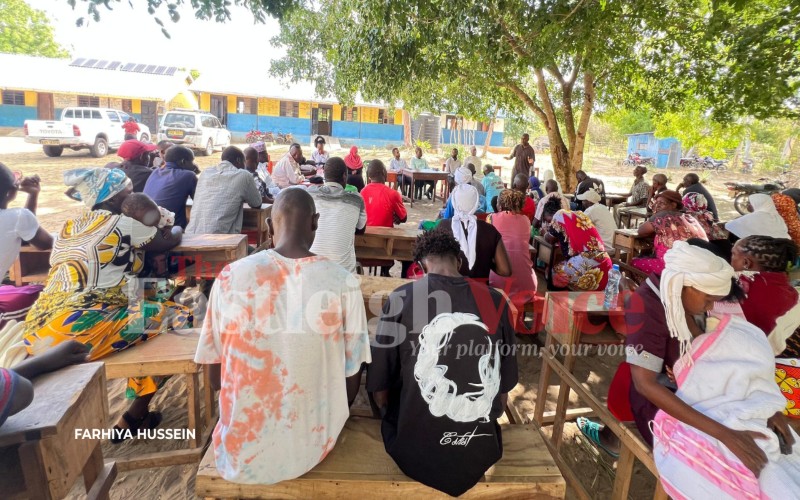
Prosecutors in Lamu have warned residents against settling sexual and gender-based violence cases in village or family forums, saying the practice denies survivors justice and shields offenders from accountability.
Residents in Lamu have been warned against turning to village meetings and other informal forums to settle cases of sexual and gender-based violence (SGBV), with prosecutors saying the practice is denying survivors justice and shielding offenders from accountability.
The Office of the Director of Public Prosecutions (ODPP) issued the caution during a community sensitisation forum in Kauthara, Hindi Division, where officials raised concern over the growing tendency to negotiate sexual offence cases at the family or village level rather than reporting them to authorities.
Prosecution Counsel Ahmed Mohamed said such informal arrangements, often described as kangaroo courts, silence victims and weaken efforts to tackle the county’s rising SGBV cases.
“When sexual offences are settled quietly, it erodes the progress made in addressing SGBV. Survivors are entitled to a fair process and legal protection,” Ahmed told participants, drawn from justice agencies and the Court Users Committee.
He noted that children are increasingly affected, both as direct victims and as family members caught up in violence within their households, urging parents and guardians to take their protection responsibilities seriously.
Neglecting these duties, he said, may amount to criminal liability.
During the engagement, prosecutors outlined the correct steps for reporting sexual offences, including the urgency of seeking medical attention, preserving evidence, and making early reports to investigators to strengthen court cases.
Ahmed assured residents that the ODPP remains committed to improving access to justice through community outreach and child-centred interventions, saying distance, stigma, and limited awareness continue to discourage survivors from speaking out.
Sector assessments show that many residents in remote parts of Lamu still struggle to access legal services, a challenge stakeholders say can only be addressed through sustained awareness campaigns and stronger community involvement.
Justice actors at the forum called for continued public education to empower survivors, build trust in formal institutions, and ensure children and other vulnerable groups receive the protection guaranteed under the law.
Top Stories Today