Senator Sigei urges state agencies to share responsibility for protecting human rights
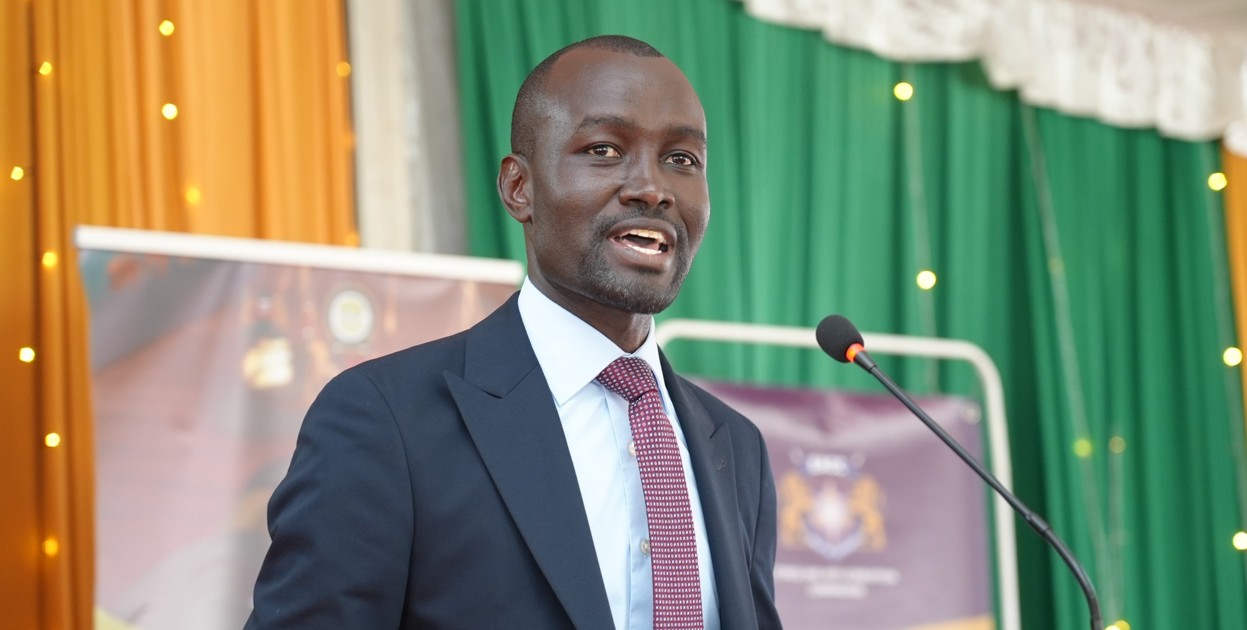
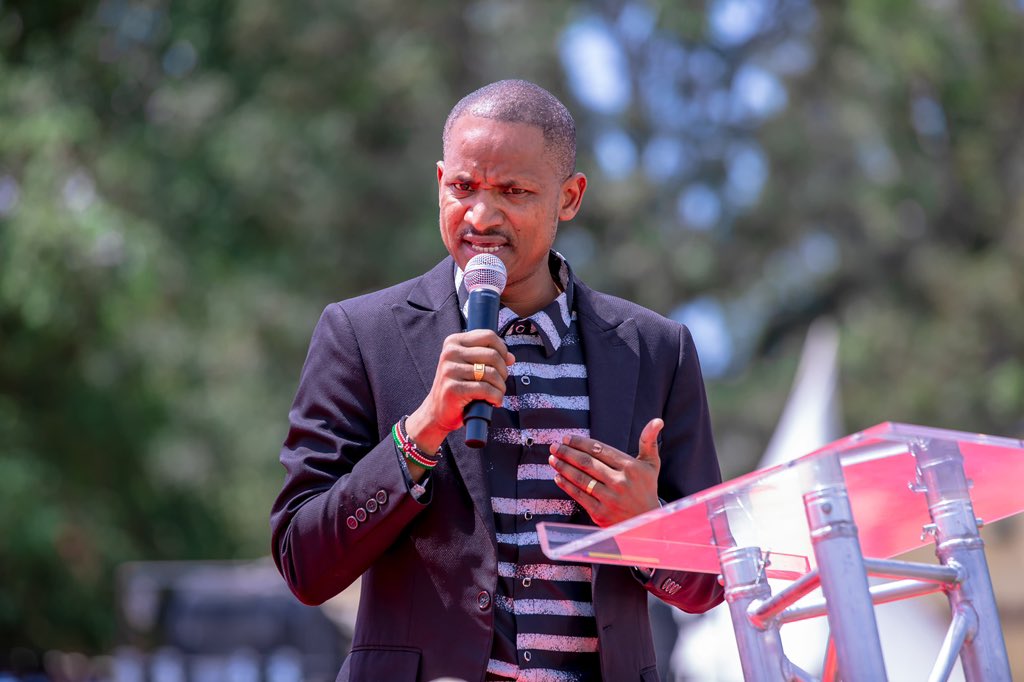
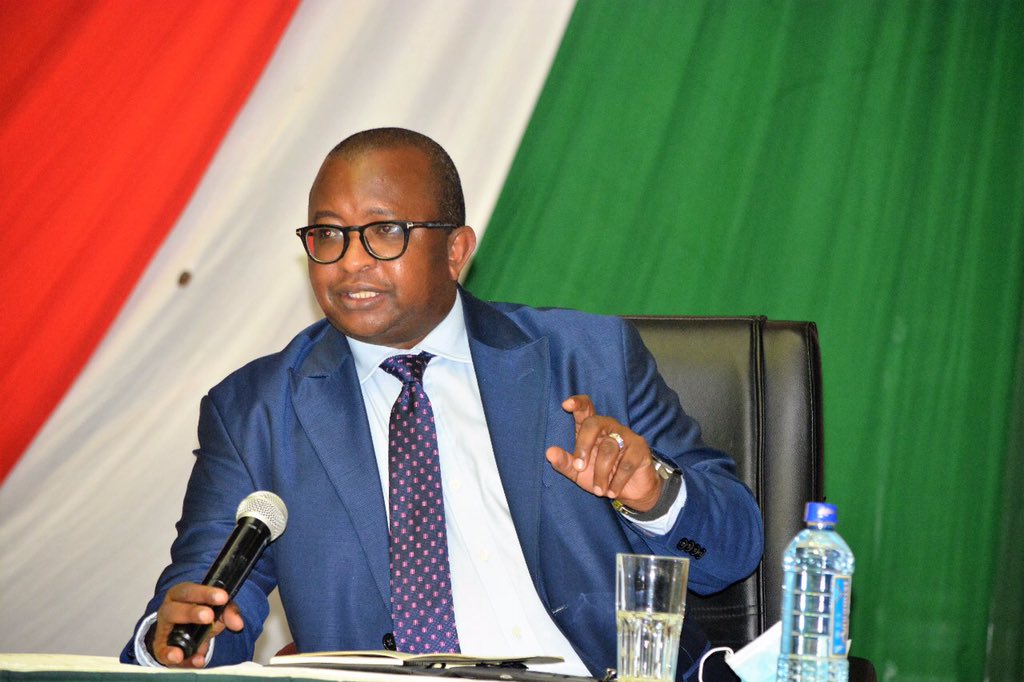
At the 2025 High Court Human Rights Summit in Nairobi, Senator Hillary Sigei urged all state organs to share responsibility for protecting rights, warning that court rulings alone cannot deliver real change.
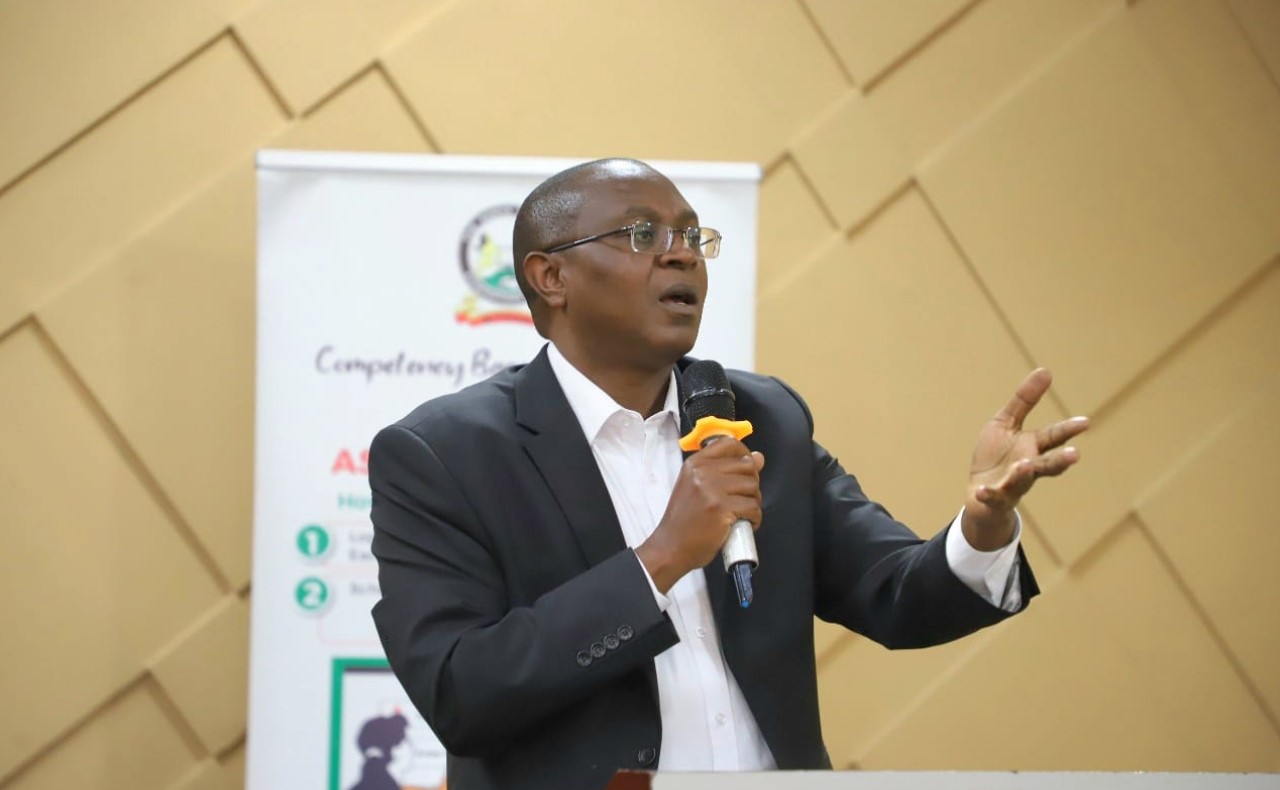
Human rights protection must be a shared national responsibility, not a burden placed solely on the Judiciary, Senator Hillary Sigei, Chairperson of the Senate Standing Committee on Justice, Legal Affairs and Human Rights, has said.
Speaking during the official opening of the 2025 High Court Human Rights Summit in Nairobi, Senator Sigei emphasised the need for stronger inter-institutional collaboration to fully realise the vision and guarantees of the Bill of Rights. He said effective human-rights protection requires "harmonised leadership—ethical, disciplined, and forward-looking" across all arms of government and both levels of governance.
More To Read
- Senate’s handling of Nyaribo impeachment raises questions on oversight role, procedures
- Judiciary faces Sh576.6 million pending bills amid budget review
- Over 31,000 SGBV cases filed as courts improve response, Judiciary Report shows
- Top 10 counties account for 68 per cent of Kenya’s legal cases, says report
- How circuit, mobile courts expanded justice to underserved communities - report
- CJ Koome affirms Judiciary’s commitment to transparency, says trust central to transformation
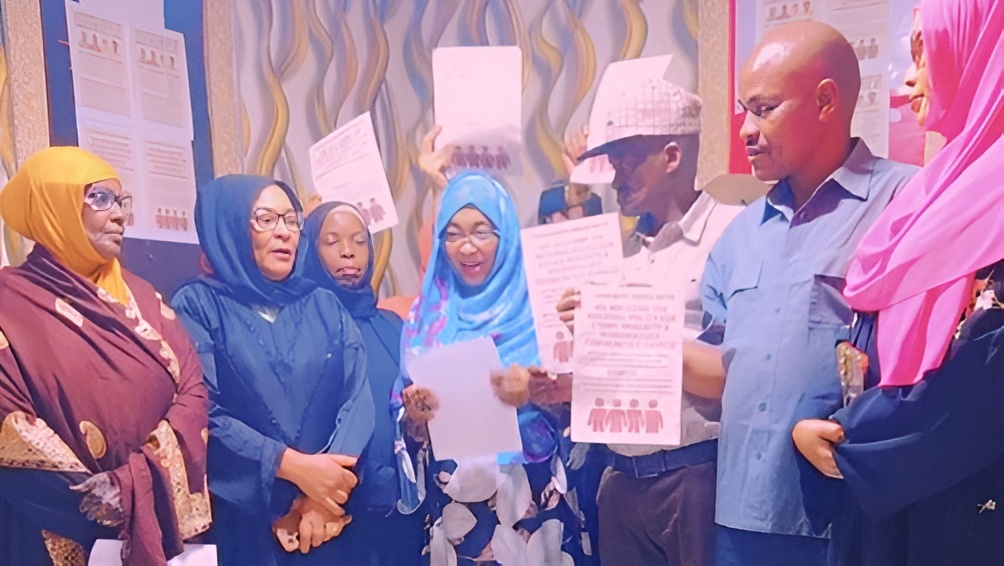
Senator Sigei highlighted the slow implementation of the African Court's decision on the Ogiek community as a stark reminder that progressive judgments alone cannot translate into real change without coordinated state action.
He identified "resource limitations, institutional fragmentation, rising social tensions and persistent implementation gaps" as factors that continue to weaken the impact of human-rights-focused decisions.
While recognising the High Court's central role in enforcing constitutional rights, the senator praised the Judiciary for exercising "jurisprudential courage" in addressing structural and social barriers. He cited decisions affirming the rights of intersex persons, safeguarding freedom of assembly and protest, and strengthening data-privacy protections as evidence of a Judiciary responsive to contemporary human-rights challenges.
Parliament's collaboration with Judiciary
Senator Sigei reaffirmed Parliament's commitment to collaborating with the Judiciary and other state actors to strengthen Kenya's human-rights framework, noting that legislative action, oversight, and prudent budget allocation remain critical to sustaining rights-based governance.
"I urge leaders to foster a constitutional culture where power is exercised with humility and institutions uphold — not undermine — the constitutional promise," he added.
He further challenged public officials across all arms of government to embody the values they expect from citizens, insisting that violations of rights — whether by state agencies, private entities, or members of the public — must be consistently condemned.
Senator Sigei noted that this year’s summit theme, "Upholding Human Dignity: Ethical Leadership as a Pillar of Constitutionalism," serves as a reminder that constitutional authority is a moral duty, grounded in integrity and respect for the inherent worth of every Kenyan.
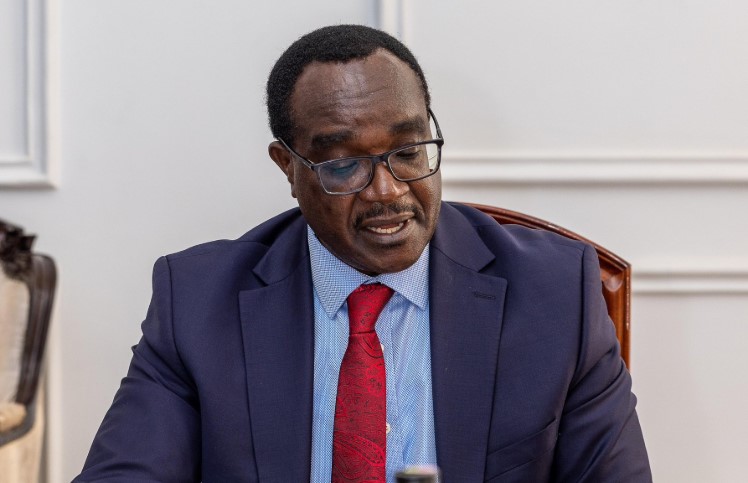
Echoing his remarks, Chief Registrar of the Judiciary Winfridah Mokaya emphasised that the Judiciary will remain a refuge for citizens seeking justice and integrity, while High Court Principal Judge Eric Ogola reaffirmed the court’s commitment to upholding Chapter Six and ensuring leadership anchored in accountability and public trust.
Other Topics To Read
Top Stories Today