KNCHR says Kenyans still locked out of healthcare despite Sh138 billion SHA boost
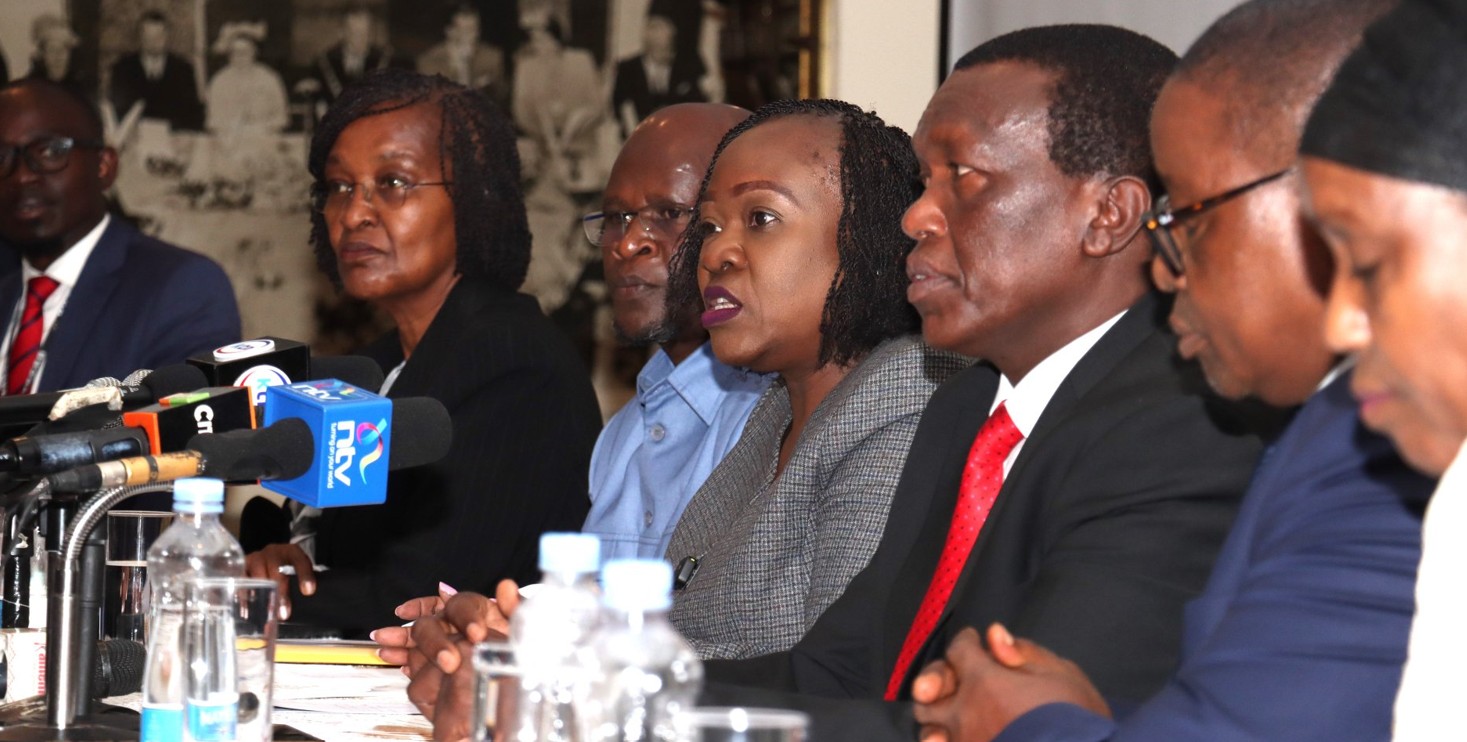
KNCHR warns many Kenyans remain locked out of healthcare despite a Sh138.1 billion health budget and the SHA scheme, citing detained patients, low enrolment and gaps affecting vulnerable groups.
Kenyans continue to be locked out of essential medical services despite Government promises of wider coverage and increased funding under the Social Health Authority (SHA) scheme, the Kenya National Commission on Human Rights (KNCHR) has said.
In its newly released report, the commission expressed concern over persistent challenges in accessing healthcare, even after the Government allocated Sh138.1 billion to the health sector in the 2025/2026 financial year.
More To Read
- KNCHR raises alarm as over 100 femicide cases recorded in three months
- MPs ditch SHA, the public health scheme they once praised, and opt for private cover
- How Trump–Ruto health deal fills the void left after USAID exit
- MPs demand SHA clears Sh10 billion in pending NHIF bills within three months
- TSC confirms shift to SHA cover for teachers from December 1
- SHA transition sparks tension as teachers cite lack of consultation, legal violations
KNCHR noted that ongoing barriers, including delayed treatment, inadequate outreach services and the detention of patients over unpaid bills, continue to undermine access to healthcare across the country.
It highlighted that many Kenyans, particularly those in vulnerable and marginalised communities, still face obstacles to essential health services. Complaints documented by the Commission included treatment delays, limited outreach services, patient detention over unpaid bills and insufficient safeguards in digital health programmes.
Substantial budget increase
“The health sector has received a substantial budget increase, yet access remains uneven, and the most vulnerable continue to suffer. Urgent reforms are needed to ensure equitable healthcare delivery across all counties,” KNCHR Chairperson Claris Ogangah said in the State of Human Rights Report covering December 2024 to December 2025.
The Commission flagged difficulties in the adoption of the SHA system, which is designed to improve access to healthcare through prepaid health premiums. KNCHR noted that low enrolment, limited public awareness and insufficient capacity among service providers have slowed the full realisation of SHA’s benefits.
Ogangah said many Kenyans are unaware of the “Lipa SHA Pole Pole” option, which allows payments in instalments, while some health facilities face challenges managing reimbursements efficiently.
“The SHA system has the potential to transform healthcare access, but without proper public education and operational efficiency, these initiatives risk leaving marginalised groups behind,” she said.
Ensure timely payments
The commission urged the Ministry of Health and SHA to ensure timely payments to healthcare providers and strengthen the implementation of instalment-based payment options. It also recommended that digital health interventions undergo human rights impact assessments, with results made public and safeguards introduced to protect personal health data.
Another concern highlighted was the continued detention of patients and bodies over unpaid bills. KNCHR noted that judicial pronouncements and guidance from the Kenya Medical Practitioners and Dentists Council explicitly prohibit these practices, yet they persist in several counties.
The report also called for an uninterrupted supply of essential medicines and medical commodities in all public health facilities. KNCHR recommended the establishment of a centralised, independent human resources agency for the health sector, noting that staffing gaps continue to affect service delivery.
Constitutional right
Ogangah emphasised that access to healthcare is a constitutional right, not a privilege, and that the Government must prioritise vulnerable populations in policy implementation.
“Equitable healthcare is fundamental to upholding human rights. The Commission will continue engaging all stakeholders to ensure that no Kenyan is left behind,” she said.
The report noted that while increased funding is important, sustained operational efficiency, public awareness and strong regulatory oversight are essential to guarantee the right to health in Kenya.
The Commission also highlighted persistent human rights violations faced by intersex persons, urging Parliament to fast-track the Intersex Persons Bill, 2024. KNCHR said the law is critical to securing legal recognition and protecting bodily integrity.
“Fast-tracking the Intersex Persons Bill, 2024 is essential to introduce legal recognition and affirm the right to self-determination,” Ogangah said.
Develop comprehensive medical guidelines
The commission called on the Ministry of Health to develop comprehensive medical guidelines to protect intersex persons from harmful and non-consensual medical interventions.
“Clear medical guidelines are necessary to safeguard bodily integrity and guarantee access to inclusive, non-discriminatory healthcare for intersex persons,” she said.
KNCHR stressed that legal reforms must include meaningful participation by intersex persons in policy and law-making.
“Intersex voices must be integrated in policy and law-making processes if these interventions are to respond to real lived experiences,” Ogangah said.
Stigma for intersex persons
The commission also urged measures to strengthen access to justice, noting that many intersex persons face stigma, limited awareness and institutional barriers that restrict their ability to assert their rights.
“Access to justice remains limited, making it difficult for intersex persons to report violations and seek redress,” Ogangah said.
The report observed that intersex persons continue to experience exclusion due to rigid sex registration systems, social stigma and legal gaps, violating constitutional guarantees of equality and non-discrimination. KNCHR called for sustained public education to counter misconceptions and stigma.
“Public awareness and education are key to reducing stigma and fostering understanding across all sectors,” Ogangah said.
The commission urged the government, Parliament and other stakeholders to act urgently on the recommended reforms.
“Addressing these gaps is not optional; it is a constitutional obligation to ensure that no one is left behind,” Ogangah said.
Top Stories Today