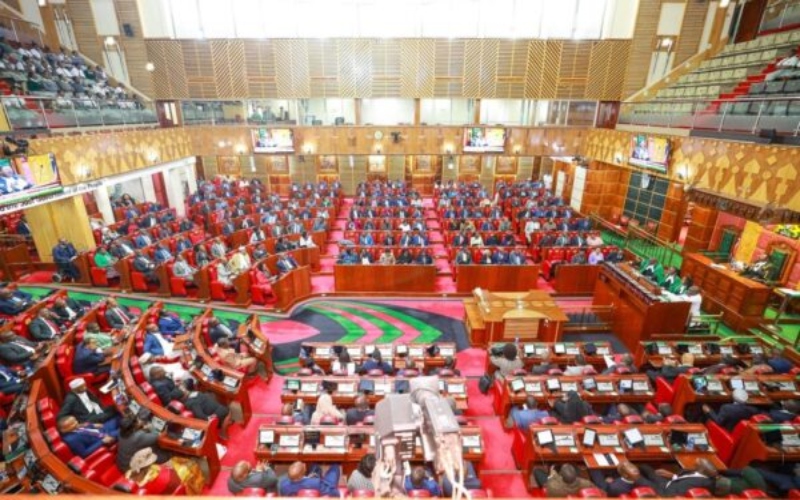
Talks to resolve a dispute over the allocation of revenue to county governments collapsed on Monday after the National Assembly and the Senate failed to agree on the amount to be shared in the 2026/27 financial year, leaving the mediation process stalled.
The disagreement persisted despite both Houses adjusting their initial positions in an attempt to narrow the gap.
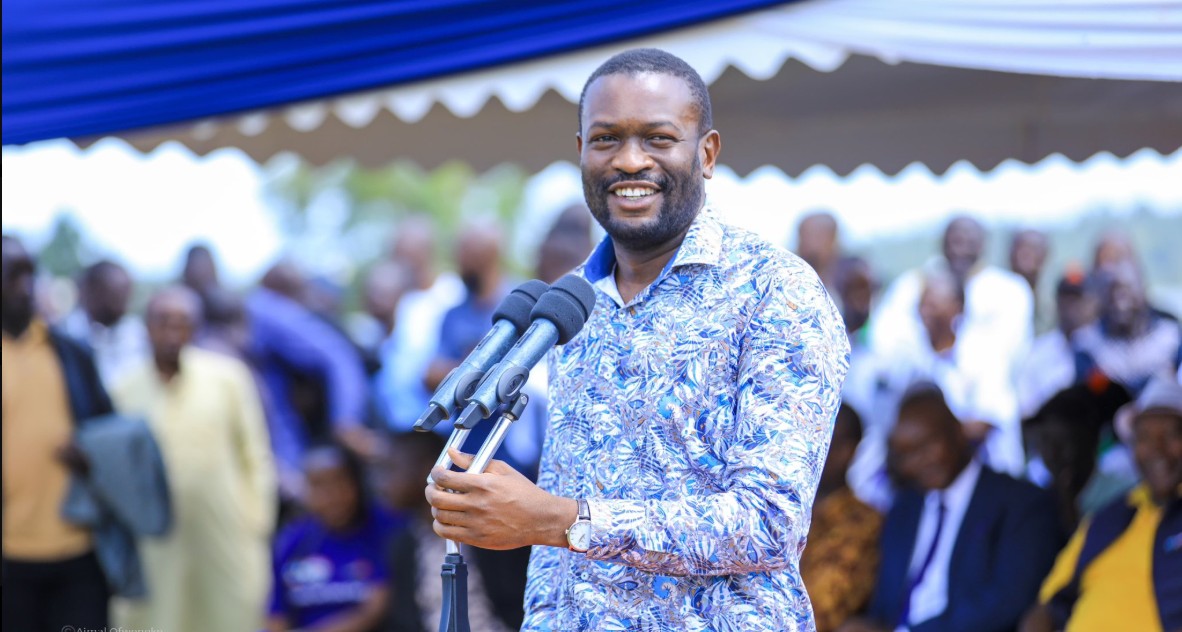
The Mediation Committee, cochaired by Alego Usonga MP Samuel Atandi and Mandera Senator Ali Roba, adjourned after the National Assembly raised its offer slightly from Sh420 billion to Sh425 billion, well below the Senate’s Sh440 billion position.
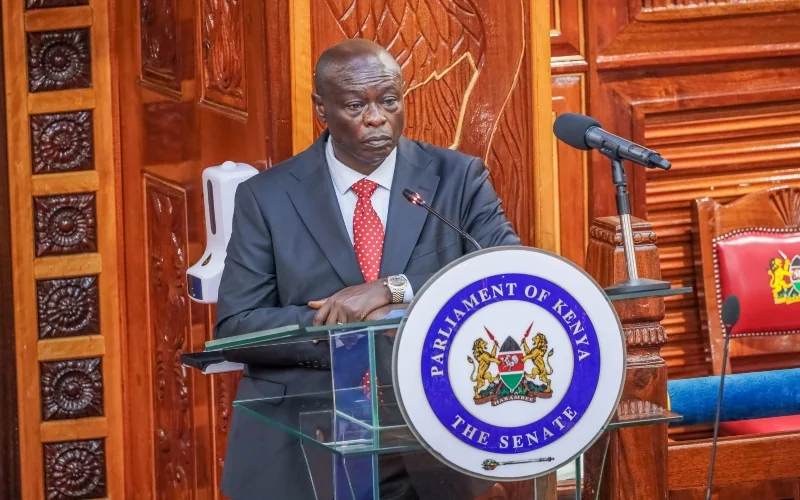
Senators had earlier lowered their demand from Sh454.7 billion to Sh443 billion, and later to Sh440 billion in a bid to close the gap. The concession still fell short of the National Assembly’s ceiling, forcing the suspension of talks until Wednesday at 1:00 pm for further consultations.
The Division of Revenue Bill sets how nationally raised revenue is shared between the national and county governments for the financial year beginning July 1, 2026. The deadlock now threatens the timely completion of the budget framework.
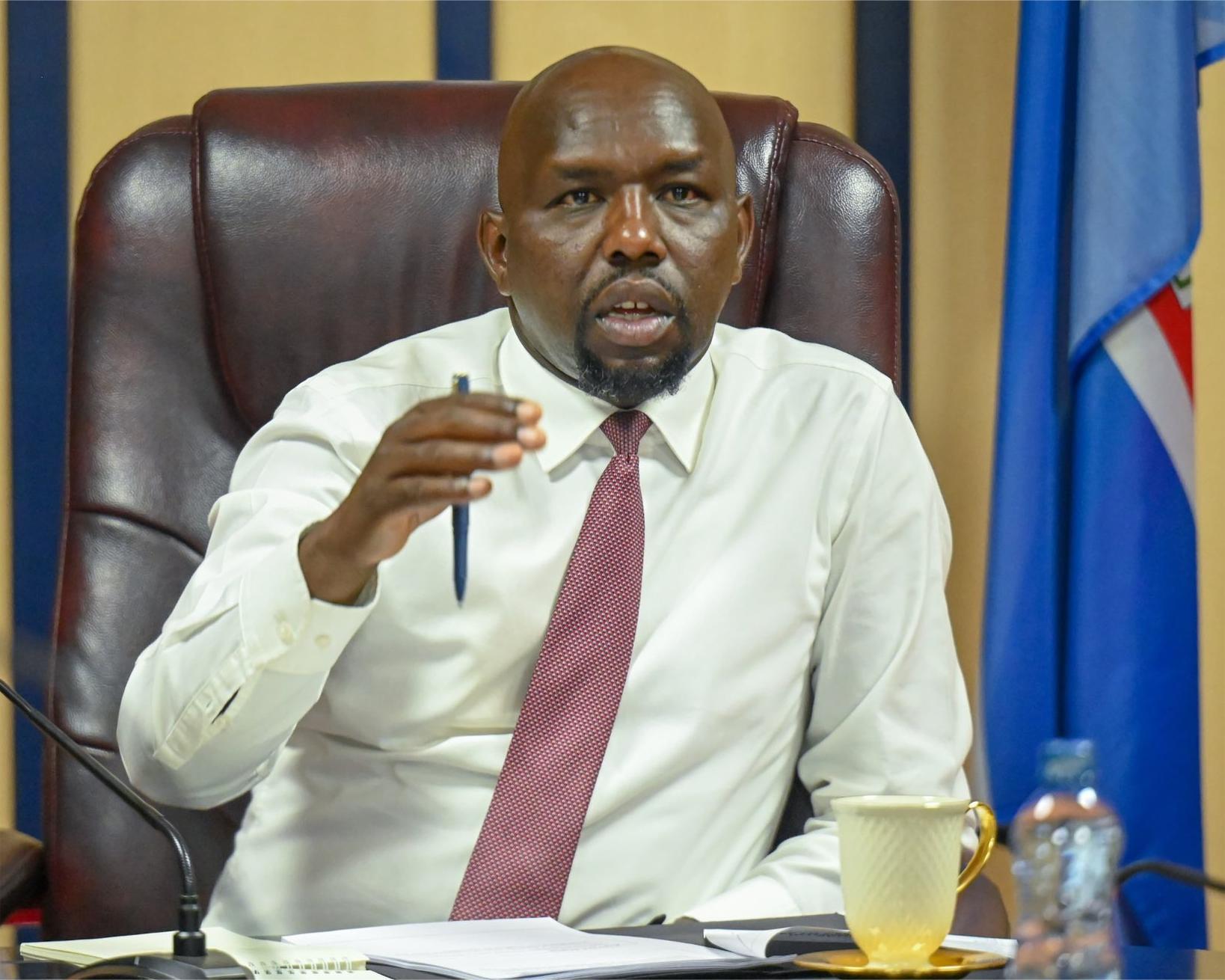
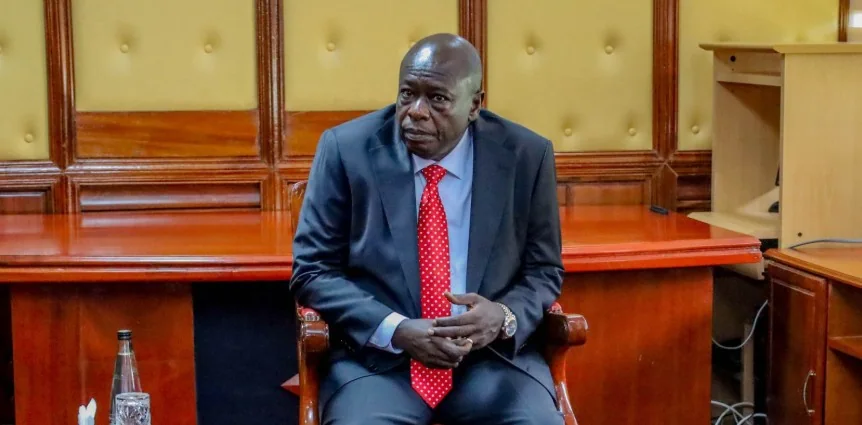
Atandi said the National Assembly had hit its fiscal ceiling, citing tight revenue projections. “We have hit a dead end. We have no more room to increase allocations to counties. We have no more fiscal space,” he said.
After informal consultations, Atandi said the Budget and Appropriations Committee (BAC) had identified limited expenditure cuts that could unlock additional funds for counties.
“We can only raise Sh3 billion, bringing the allocation to Sh423 billion. After further consultation, we can add another Sh1 billion to reach Sh424 billion,” he said.
The National Assembly later revised its offer to Sh425 billion. On the Senate side, the Finance and Budget Committee chairperson said the Upper House had already made major concessions and warned that further reductions would strain county operations.
Mandera Senator Ali Roba said senators had settled on Sh440 billion after consultations, down from Sh454.7 billion, and requested more time to engage colleagues and the Council of Governors ahead of the next session.
Earlier, Mombasa Senator Mohammed Faki urged both sides to narrow the gap, proposing a midpoint compromise.
“If the National Assembly is climbing by a mere Sh3 billion, we should also climb down by a similar amount until we meet somewhere,” he said.
The impasse followed the National Assembly’s passage of a Bill allocating counties Sh420 billion, which the Senate raised to Sh454.7 billion, prompting the mediation process.
The Commission on Revenue Allocation (CRA) had recommended Sh459 billion for the 2026/27 financial year, widening the gap between technical advice and political agreement.
Several senators accused the National Assembly of delaying approval of the latest audited accounts, arguing this had constrained the revenue base used to determine county allocations.
Narok Senator Ledama Ole Kina said reliance on outdated figures had disadvantaged counties.
“You are using audited and approved national government revenue reports for the 2021/22 financial year. You are late by two years despite the Auditor-General having tabled accounts for 2023/24 and 2024/25. Had you approved the latest audited accounts, the allocation to county governments would be higher than Sh450 billion,” he said.
The Constitution requires that counties receive at least 15 per cent of all national revenue based on the most recent audited and approved accounts.
While the National Assembly maintains that fiscal constraints limit any increase beyond Sh425 billion, the Senate argues that at least Sh440 billion is necessary to meet rising county obligations, including settlement of pending bills, implementation of Salaries and Remuneration Commission (SRC) awards, and support for Community Health Promoters (CHPs).
Senators also cite funding needs for County Aggregation and Industrial Parks (CAIPs), the Financing Locally-Led Climate Action Programme (FLLoCA), the Food Systems Resilience Project (FSRP), and the National Agricultural Value Chain Development Project (NAVCDP).
Roba said the Senate’s proposal was anchored on consultations and practical county needs.
“Our proposal is data-driven and informed by consultations. We must keep these realities in mind as we deliberate,” he said.
Atandi, however, warned that Kenya was facing a revenue shortfall of about Sh200 billion despite ongoing tax mobilisation efforts.
The National Treasury and the Budget and Appropriations Committee have proposed a Sh4.8 trillion national budget for the 2026/27 financial year, with Sh1.1 trillion expected to be financed through borrowing, highlighting fiscal pressure in the negotiations.












Comments
Sign in with Google to comment, reply, and like comments.
Continue with Google