WHO calls for urgent action to achieve universal health coverage by 2030
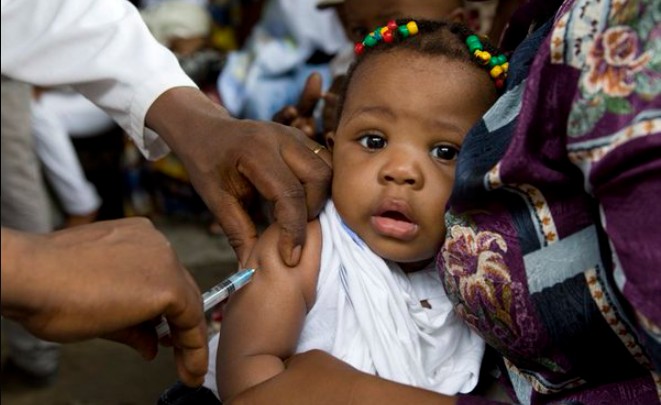
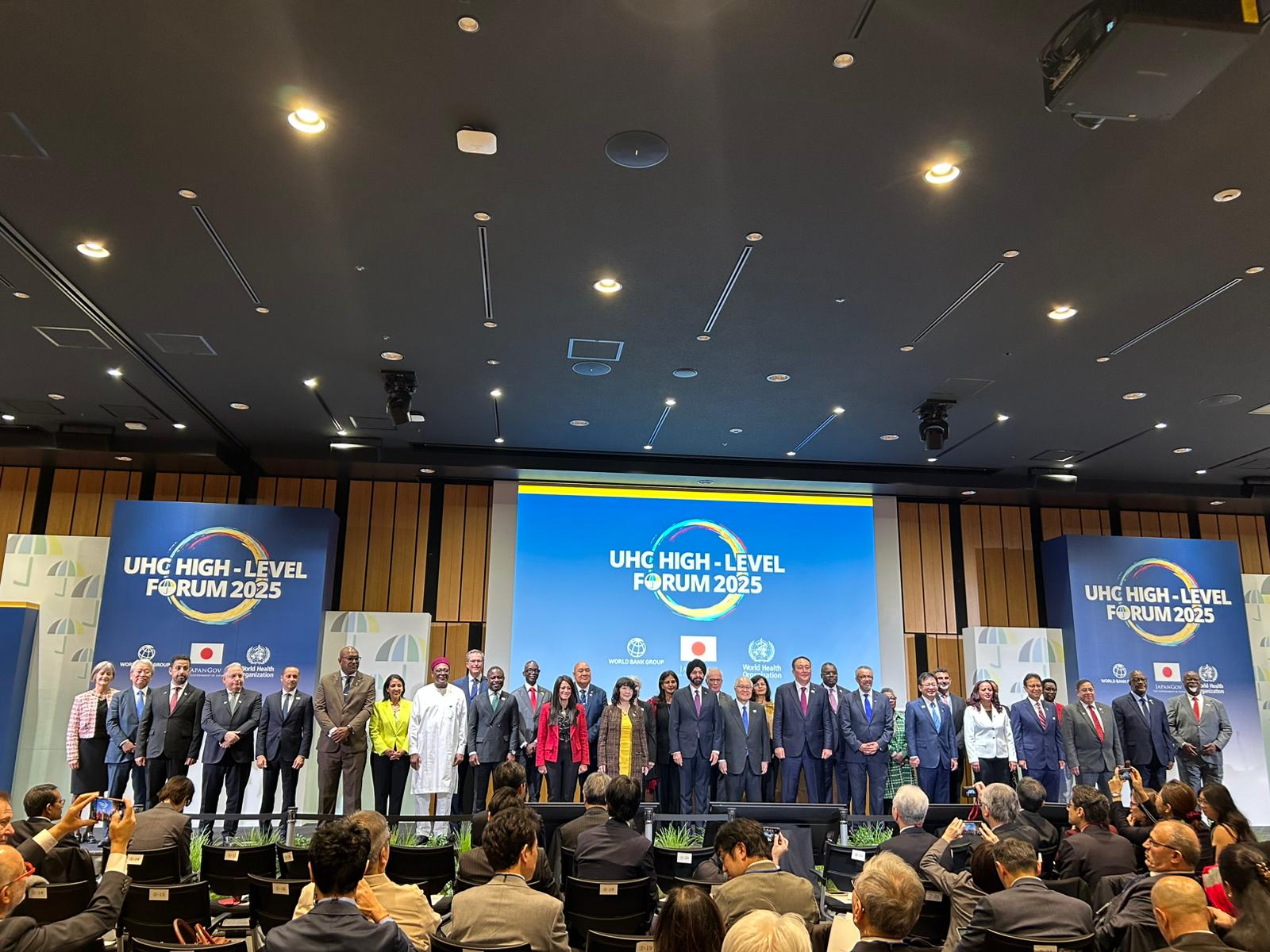
WHO and the World Bank report 1.6 billion people pushed deeper into poverty by health costs and 4.6 billion lacking essential services, as Kenya and other nations struggle to meet UHC goals.
The World Health Organisation (WHO) warns that the poorest populations continue to shoulder the greatest burden of unaffordable health care, with 1.6 billion people pushed even further into poverty due to medical expenses.
Globally, an estimated 4.6 billion people still lack access to essential health services, while 2.1 billion experience financial hardship when seeking care, including the 1.6 billion already living in poverty or driven into it by health costs.
More To Read
- African countries take lead in push toward universal health coverage for 1.5 billion people by 2030
- Developing countries’ debt servicing cost hit 50 year high on high interest
- African land policy reforms benefit women and communities, but 18-country review reveals key gaps
- Why mastering Generative AI is the fastest way to boost your career and salary
- Turkana marks World AIDS Day with stark warning over rising HIV infections
- Somalia on high alert as Marburg virus outbreak hits neighbouring Ethiopia
Universal Health Coverage (UHC) ensures that everyone can access the health care they need without facing financial hardship. It rests on three pillars: access to essential health services, financial protection, and quality care. Health services, from treatment and vaccinations to maternity care and medicines, must be available to all, affordable, and effective.
UHC works by pooling funds from taxes, insurance, or government contributions to cover health costs in advance. This prevents individuals from paying large sums at the point of care. Health systems organise services to reach everyone, including the poor and vulnerable, while ensuring safety and quality. Simply put, UHC means people receive the care they need without risking poverty.
WHO and the World Bank jointly report that reducing financial hardship and expanding health service coverage are central pillars of universal health coverage (UHC). The UHC Global Monitoring Report 2025 shows steady progress: the Service Coverage Index (SCI), a measure of essential service availability, rose from 54 to 71 points between 2000 and 2023. During the same period, the share of people facing impoverishing or catastrophic out-of-pocket (OOP) health expenditures fell from 34 per cent to 26 per cent.
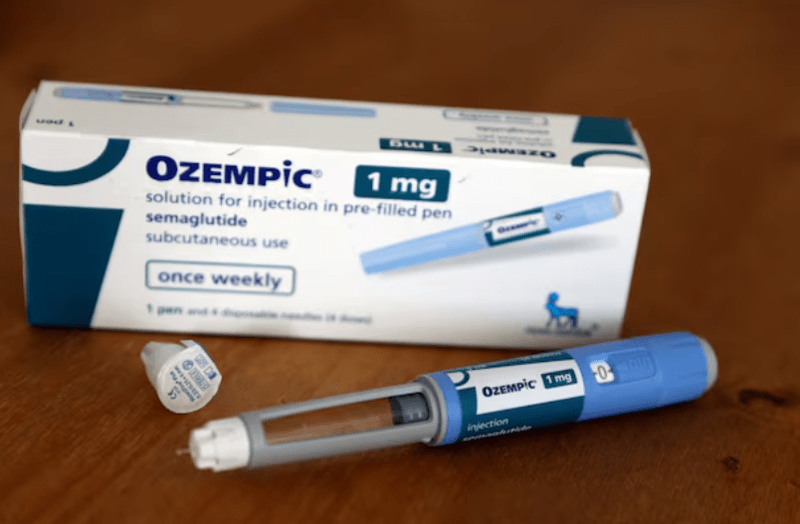
Despite these gains, major challenges persist. The poorest continue to face the greatest vulnerability to health-related financial shocks. Medicines remain the single largest driver of OOP health spending, accounting for at least 55 per cent of household health expenses in three-quarters of countries with available data. Among the poorest households, medicines consume a median of 60 per cent of total health spending, often at the expense of food, education, or other essential needs.
Without accelerated action, the global SCI is projected to reach only 74 out of 100 by 2030, and nearly one in four people worldwide will still face financial hardship by the end of the Sustainable Development Goal (SDG) era. Progress has also been uneven: while all WHO regions have expanded service coverage, only Africa, South-East Asia, and the Western Pacific have simultaneously reduced financial hardship. Low-income countries have made the fastest improvements but still face the widest gaps.
In 2022, three-quarters of people in the poorest socioeconomic groups experienced financial hardship due to health costs, compared with fewer than one in 25 among the richest. Women, people in rural areas, low-income households, and individuals with lower levels of education consistently report greater difficulty accessing health services. Vulnerable groups—particularly displaced populations and residents of informal settlements—are often missing from datasets, meaning the actual extent of inequality is likely even higher.
With only five years left to achieve the 2030 UHC target, WHO calls for urgent action in six areas: guaranteeing essential services free at the point of care for people in poverty; increasing public investment in health; reducing OOP spending on medicines; expanding access to noncommunicable disease (NCD) services; strengthening primary health care (PHC); and adopting multisectoral approaches that address the social and economic determinants of health.
Despite progress, Kenya continues to face deep-seated challenges that constrain its UHC ambitions. Health insurance and risk-pooling coverage remain low, with only about 19 per cent of the population insured.
As a result, most Kenyans rely on direct OOP payments at the point of care, exposing households, especially the poor and informal-sector workers, to catastrophic health spending. Public expenditure on health remains below global benchmarks, making it difficult for the sector to sustain adequate staffing, infrastructure, essential medicines, and health commodities.
Much of the available funding is channelled toward hospital-based curative services rather than preventive and primary care, leaving rural and marginalised communities underserved.
The country's health system also struggles under a growing triple burden of disease: persistent communicable diseases, rising NCDs, and increasing maternal and injury-related health needs. These pressures are compounded by shortages and uneven distribution of health workers, infrastructure gaps, recurring stock-outs of essential medicines, and inconsistent service quality.
The transition from NHIF to SHA, while promising in design, has experienced implementation challenges. Although enrollment is high, contribution density remains low, limiting the size of the risk pool and reducing financial protection.
Revenue collection has fallen short of annual targets, leading to delayed reimbursements to health facilities. These delays have disrupted service delivery, caused shortages of supplies, and eroded confidence among providers
Other Topics To Read
- Health
- World Bank
- Universal Health Coverage
- Sustainable Development Goals
- World health organisation
- kenya health system
- health financing
- poverty and health
- out-of-pocket spending
- medicines access
- Service Coverage Index
- WHO calls for urgent action to achieve universal health coverage by 2030
- Headlines
Technical problems with the digital claims system have further undermined efficiency. Many members, particularly in the informal sector, perceive contributions as burdensome relative to the benefits received, especially regarding outpatient services, diagnostics, and access to medicines.
Top Stories Today