Government cash transfers improve health outcomes for women, children - Lancet
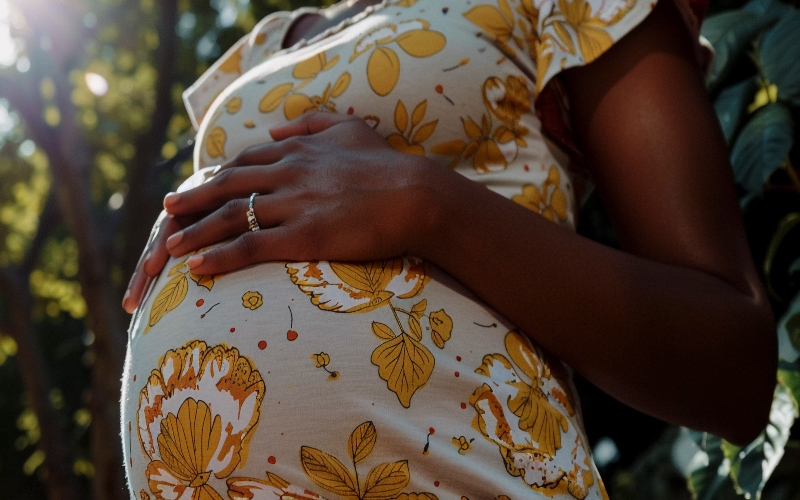
The study looked at 17 areas, including maternal health services, family planning, caregiver practices, and child health and nutrition. Key results showed that more women started antenatal care early, up 5 per cent, more gave birth in health facilities, up 7.3 per cent and with skilled professionals, up 7.9 per cent.
A recent report by The Lancet provides evidence that large-scale government cash transfer programmes can significantly improve health outcomes for women and children in low- and middle-income countries.
The Lancet analysed data on approximately 2,156,464 live births and 954,202 children under five between 2000 and 2019. Of these, 20 countries introduced large-scale government cash transfer programmes during that period.
More To Read
- Kenya and world face growing health threat as ultra-processed foods flood markets and diets
- African countries take lead in push toward universal health coverage for 1.5 billion people by 2030
- Monthly injection helps severe asthma patients reduce or stop steroids - Lancet study
- State urged to add 1.4 million people to social protection scheme ahead of the 2026/27 budget
- Governors sound alarm as 934 newborns die amid funding row in health sector
- Governors decry Health Ministry’s move to deny maternity funds to dispensaries
The study used a difference-in-differences approach, comparing maternal and child health outcomes before and after the programmes, and between countries with and without such programmes, to isolate effects attributable to the cash transfers.
A cash transfer is a direct payment of money from the government or another organisation to individuals or households, usually aimed at reducing poverty, improving well-being, or achieving specific social or health outcomes.
The key idea is that providing money directly allows households to spend it according to their priorities, such as on food, healthcare, education, or housing, thereby improving economic security and often leading to positive social and health outcomes.
The study looked at 17 areas, including maternal health services, family planning, caregiver practices, and child health and nutrition. Key results showed that more women started antenatal care early, up 5 per cent, more gave birth in health facilities, up 7.3 per cent and with skilled professionals, up 7.9 per cent.
Planned pregnancies increased slightly, up 1.9 per cent, the time between births grew by 2.5 months, and fewer women had an unmet need for contraception, down 10.3 per cent.
Child health also improved. Exclusive breastfeeding went up by 14.4 per cent, more children got a minimum acceptable diet up 7.5 per cent, and measles vaccination increased by 5.3 per cent.
Reports of diarrhoea in children fell by 6.4 per cent, and fewer children were underweight, down 2 per cent. These changes reflect overall population improvements, not just those directly receiving the programme.
The study also highlights broader impacts, including reductions in mortality among children under five and among women. Analyses suggest a dose-response effect, with programmes having higher coverage and larger transfer amounts producing larger health gains.
This indicates that well-designed, sufficiently funded programmes may be particularly powerful, whereas small or limited programmes may have weaker or no detectable population-level effects.
The evidence suggests that cash transfer programmes function as public health interventions. By alleviating financial barriers and giving households more flexibility, these programmes help families access maternal health services, plan pregnancies, and make healthier choices for children, including improved nutrition, immunisation, and breastfeeding practices.
The ripple effect at the population level, including among non-beneficiaries, suggests beneficial spillover effects.
One key study is Cash on delivery: Results of a randomised experiment to promote maternal health care in Kenya, published in 2019 in the Journal of Health Economics.
The researchers tested whether providing health care vouchers, conditional cash transfers, and SMS reminders could boost facility delivery rates (i.e., births in a health facility rather than at home). Women assigned to the “full voucher arm” were entitled to free antenatal care (ANC), delivery, and postnatal care (PNC) services.
Another “copay voucher” arm gave some ANC/PNC services but required a small fee (copayment) for delivery. Some women were assigned to “conditional cash transfer,” receiving transport cost reimbursements for up to four ANC visits (about $3 per visit), for facility delivery (about USD 6), and for postnatal visits (about USD 3), as long as they attended the services.
Others received “unconditional” cash transfers, i.e., paid regardless of service use. Some women were also selected to receive weekly SMS messages reminding them of upcoming antenatal or postnatal visits and encouraging facility delivery. There were two types of SMS: a “plain” text reminder and a “contextualised” version, which additionally emphasised baby health.
The strongest positive effect was observed among women who received full vouchers and the conditional cash transfer support: 48 per cent of these women delivered in a health facility, compared with 36 per cent among women who received neither intervention.
In contrast, SMS reminders alone or unconditional cash transfers alone had a limited effect on increasing facility delivery rates. When vouchers required a small copayment (in the so-called “copay voucher” arm), this dramatically reduced the effectiveness of the voucher, indicating even small costs can deter uptake.
The study also found that removal of user fees across government facilities, a national policy, did not on its own lead to an increase in institutional deliveries, further underscoring that targeted subsidies, such as vouchers or cash transfers, may be more effective than blanket policies in some contexts.
Maternal and child mortality in Kenya remain significant public health challenges. The maternal mortality ratio is around 355–594 deaths per 100,000 live births, with thousands of women dying annually from pregnancy-related complications.
For children, the under-five mortality rate is about 41 per 1,000 live births, and the infant mortality rate is roughly 32 per 1,000 live births. While these rates have declined over the years, many deaths remain preventable, particularly in underserved areas.
Top Stories Today