Mogadishu’s Hamarweyne market shut for third day amid tax dispute
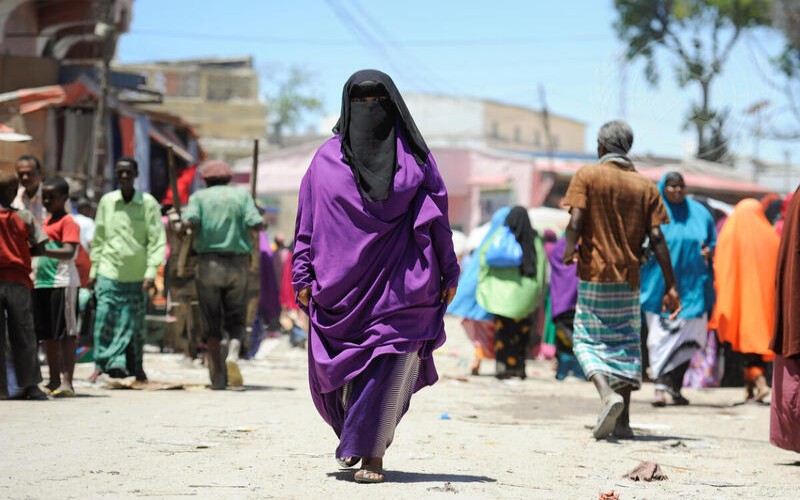
The dispute began after vendors, especially those dealing in mobile phones and electronics, reported that ministry officials had introduced new charges that far exceeded the taxes they already pay every year.
The main market in Mogadishu’s Hamarweyne district remained closed for the third day as traders continued a protest over what they describe as unlawful and excessive charges introduced by the Ministry of Finance.
The closure has halted activity in one of the capital’s busiest commercial areas, with many shop owners saying they will not reopen until the disputed fees are withdrawn.
More To Read
- How to make sweet and savoury plantains at home
- Somalia on high alert as Marburg virus outbreak hits neighbouring Ethiopia
- Mogadishu police, intelligence agents crack down on armed groups after surge in street crime
- Somalia declares drought emergency as millions face hunger after failed rains
- International Rescue Committee warns millions at risk as drought intensifies across Northern Somalia
- Somali Region frees ‘121 unlawfully detained’ people, ‘pardons’ two jailed journalists, Rights Commission says
The dispute began after vendors, especially those dealing in mobile phones and electronics, reported that ministry officials had introduced new charges that far exceeded the taxes they already pay every year.
Traders said the demands came without prior notice, consultation, or reference to any formal tax schedule. Some shop owners said they had never before encountered such fees and could not understand why they were being asked to pay them on top of legally established taxes.
One shop owner said the payments demanded by the officials were not aligned with any known policy. He said these extra demands were “illegal” and unrelated to any officially sanctioned tax framework.
Several traders echoed the same view and insisted they were not opposed to paying lawful taxes but could not afford what they regarded as unregulated fees introduced without explanation.
Security forces blocked journalists from filming or taking photographs of the closed market, a move that traders said increased their concern about the handling of the dispute. Reporters who visited the area were turned away and instructed not to record any images, raising questions among traders about whether the authorities were trying to prevent wider public awareness of the standoff.
A trader who asked to remain anonymous due to safety concerns said the new charges were presented directly by ministry officials.
“We have paid the legal taxes required of us, but these new fees are extremely burdensome. We cannot pay them,” he said.
He said many shop owners faced similar pressure and were worried about the future of their businesses if the situation continued.
The dispute at Hamarweyne follows similar incidents in other parts of Mogadishu. At Bakara Market, which is the city’s largest commercial hub, traders recently held a protest over what they described as aggressive and extortionate demands from tax collectors. One trader at Bakara said, “Every day, there is a new demand for money, and the way they collect taxes is unacceptable. It’s harming our businesses.”
This trader said the pressure on merchants had increased in recent months and that many were struggling to cope with the rising financial burden.
Traders at Bakara also accused some collectors of entering shops without prior notice and demanding immediate payment. They claimed that some of those making the demands were security agents or individuals who said they were acting under official authority.
Merchant associations and business-owner committees have called on the government to stop imposing unvetted levies and to develop a clear and transparent tax collection system. They said the private sector was essential for the city’s economic stability and that continued uncertainty would discourage investment and weaken the commercial environment.
For now, Hamarweyne remains closed, and there is no sign that traders are willing to return to work under the current conditions. Many of them say the impact of the closure will become more severe if the dispute continues for several more days.
They warn that unless the contested fees are removed or reviewed through the proper legal process, there will be long-term economic consequences not only for individual business owners but also for the wider commercial ecosystem of Mogadishu.
Top Stories Today