ICC ends 13-year probe into Kenya’s post-election violence as two fugitives remain at large
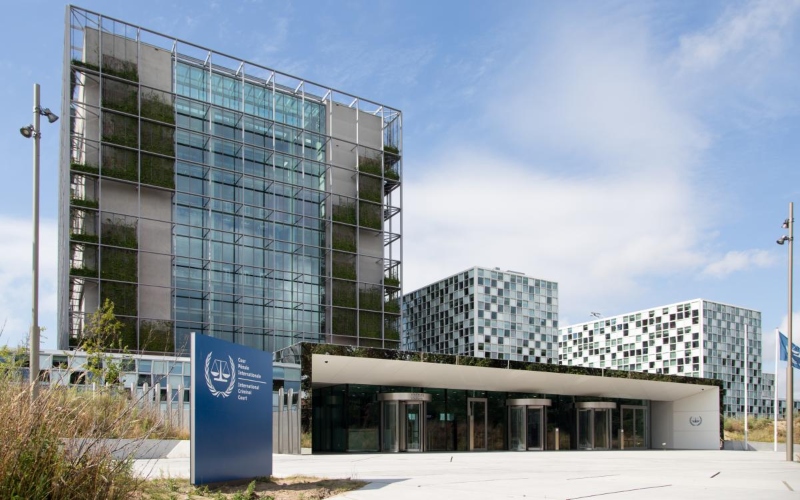
Although the investigation has formally ended, the ICC said it is not fully disengaging from the Kenya situation. Two active arrest warrants remain in force for Kenyan fugitives Walter Barasa and Philip Kipkoech Bett.
A 13-year investigation into Kenya’s 2007–2008 post-election violence has officially come to a close, marking the end of a historic international probe into the unrest that led to the death of over 1,000 people and the displacement of hundreds of thousands.
The International Criminal Court (ICC) said that while the main inquiry has ended, it continues to pursue two individuals accused of attempting to influence witnesses.
More To Read
- Civil society raises alarm over 2027 election readiness after chaotic by‑elections
- ICC urged to probe Tanzania over post-election civilian killings
- IEBC Chair Erastus Ethekon calls for tougher penalties on election offences
- Kenya’s Phoebe Okowa elected to serve as judge at International Court of Justice
- ICC confirms war crimes charges against Joseph Kony in absentia
- Sudan crisis deepens as ICC warns El-Fasher atrocities may be war crimes
In its latest report to the Assembly of States Parties, the Office of the Prosecutor said it had “concluded the investigation in this situation” on November 27, 2023, signalling the end of all active inquiries linked to the violence.
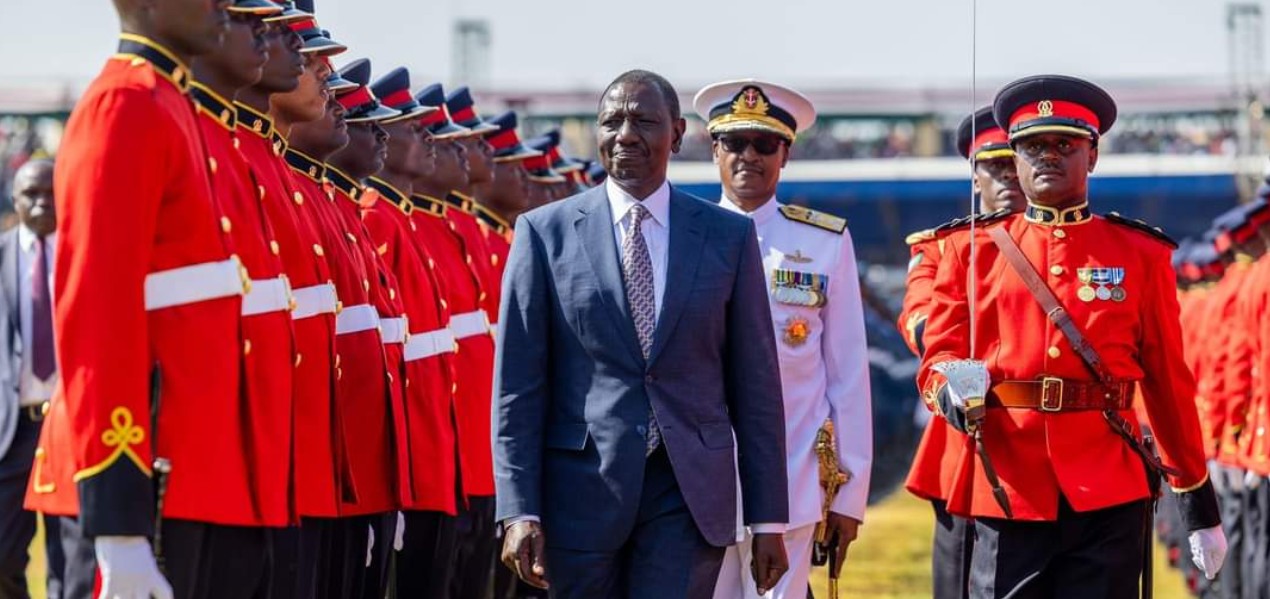
The closure comes after a period in which six high-profile Kenyans faced charges of crimes against humanity. Those involved included President William Ruto, former President Uhuru Kenyatta, former Cabinet Minister Henry Kosgey, former Head of Public Service Francis Muthaura, former Police Commissioner Mohammed Hussein Ali, and journalist Joshua Arap Sang. All denied the allegations.
Between 2013 and 2016, the ICC case collapsed due to insufficient evidence, withdrawn testimony and what the Court described as widespread interference with witnesses.
Deputy Prosecutor Nazhat Shameem Khan said the failures reflected a “systematic breakdown of evidence,” largely caused by intimidation and manipulation of witnesses.
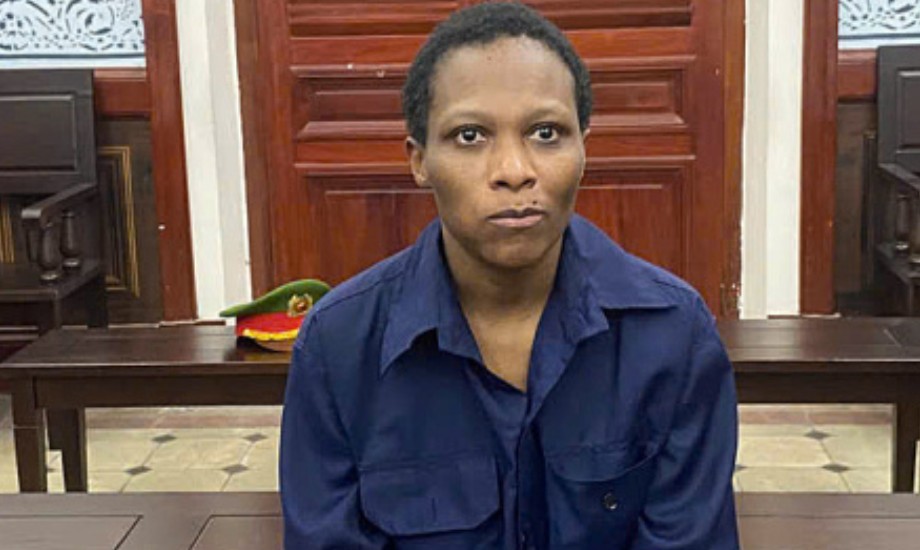
Although the investigation has formally ended, the ICC said it is not fully disengaging from the Kenya situation. Two active arrest warrants remain in force for Kenyan fugitives Walter Barasa and Philip Kipkoech Bett. They are wanted for alleged offences against the administration of justice under Article 70 of the Rome Statute, relating to corruptly influencing or attempting to influence ICC witnesses.
“They are the subject of warrants of arrest for alleged offences against the administration of justice pursuant to Article 70 of the Rome Statute, consisting of corrupting or attempting to corruptly influence ICC witnesses,” reads the report.
“Following this decision, the Office’s activities have been limited to monitoring developments and tracking two suspects at large.”
Witness tampering had long been cited as a major obstacle in the Kenya cases. In 2014, charges against Uhuru were withdrawn after prosecutors reported that witnesses had been intimidated or interfered with. The case against Sang collapsed shortly afterwards.
In 2016, the Court terminated the case against President Ruto. Judges found insufficient evidence to proceed, though one judge declared a mistrial, citing an “intolerable” level of political interference and a “troubling incidence” of witness tampering.
Ruto had denied charges of murder, deportation and persecution during the violence, which left at least 1,200 people dead.
For many victims and families, the closure of the ICC process without convictions is a painful reminder of unresolved justice. More than 500,000 people were forced to flee their homes during the violence, which was marked by targeted attacks and deep ethnic and political divisions.
Critics say the collapse of the ICC cases leaves unresolved questions over responsibility, truth and compensation for victims.
Even after formally closing the investigation, the ICC has maintained engagement with global civil society through initiatives aimed at strengthening documentation of international crimes.
In 2025, civil society organisations (CSOs) worldwide actively used the Guidelines for Documenting International Crimes and Human Rights Violations for Accountability Purposes, launched in 2022 by the Office of the Prosecutor in partnership with Eurojust.
The guidelines, developed through years of consultation, aim to support CSOs in collecting and preserving evidence for national and international prosecutions.
Top Stories Today