David Mutiso, visionary architect behind KICC, dies

Among his most notable achievements was contributing to the design and vision of the Kenyatta International Convention Centre (KICC), a landmark that has since become one of the most recognisable emblems of Kenya’s national identity.
The architect behind the Kenyatta International Convention Centre (KICC), Nairobi’s most iconic and signature structure, David Mutiso, has passed away.
Mutiso died on December 2, according to a statement from his family.
More To Read
- Activist sues EACC, DPP, KICC boss over alleged illegal arrest and detention
- MPs question Ministry of Defence’s role in Sh31.6 billion Bomas of Kenya facelift
- Audit exposes KICC spent Sh30.9 million on hotel meetings contrary to law
- KICC locks out MPs over Sh50 million rent arrears
- Court blocks state from proceeding with sale of 11 parastatals, including KICC
- Turkish firm wins court battle to build Sh31.6 billion Bomas complex
He served as Chairman of the Association of Professional Societies in East Africa between 1975 and 1977 and was a distinguished member of the Architectural Association of Kenya (AAK), leaving behind a profound legacy that has shaped Kenya’s architectural landscape for decades.
“We mourn the passing of Arch David Mutiso, Kenya’s first indigenous architect, former Chairman of the Association of Professional Societies in East Africa (1975–1977), and a distinguished member of the Architectural Association of Kenya (AAK). He leaves behind a remarkable legacy,” read the announcement.
Mutiso’s early life saw him attend various primary schools before earning a place at Alliance High School, where he studied between 1949 and 1952.
It was during this period that an unexpected encounter shaped his future. While visiting an uncle employed as a cook for a white architect, Mutiso watched him light a fire using rolled-up sheets. On closer inspection, he discovered they were architectural blueprints signed by Architect Imray Rosa.
Eager to learn more, he sought guidance from Alliance’s headmaster, Carey Francis, who connected him with European architects. Instead of encouragement, Mutiso was told architecture had no place for Africans, who “lived in mud huts” and did not require professional design services. The remarks, meant to deter him, only strengthened his resolve and planted the ambition that would later define his career.
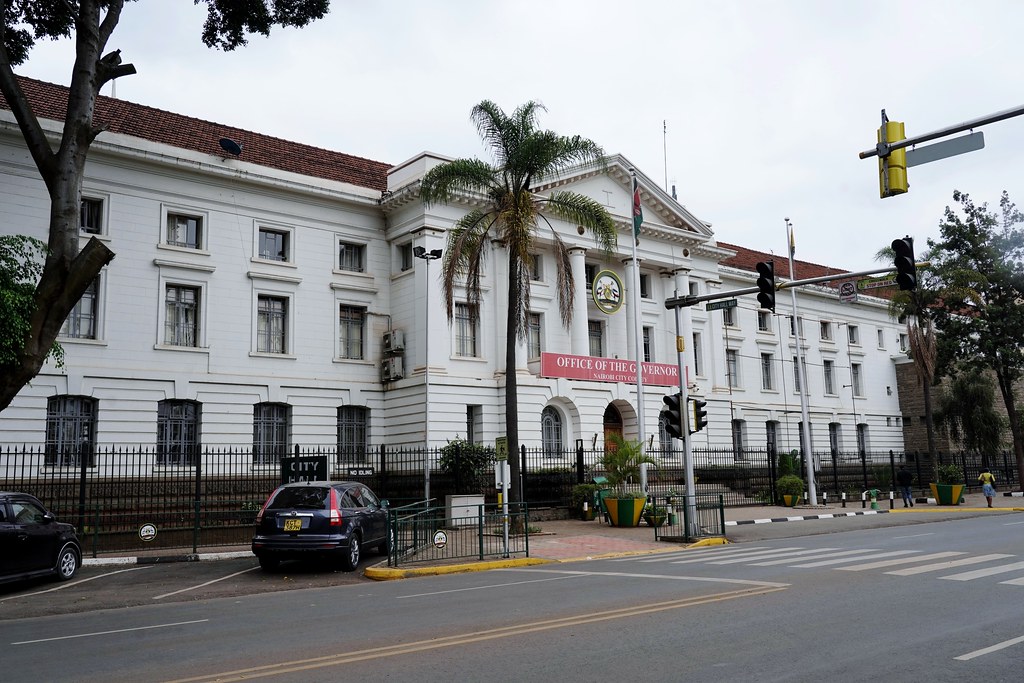
With little support, Mutiso initially pursued a different path. In 1953, he enrolled at Makerere University for a Bachelor of Science degree in Mathematics, Biology, Chemistry, and Physics. After returning to Kenya, he joined the City Council of Nairobi as a draftsman while attending evening classes at a technical college to sharpen his skills.
During his time at the City Council, the colonial government announced bursaries for Makerere alumni to study abroad. Mutiso applied and, during the interview, met his former headmaster, Carey Francis, who was on the panel. He secured a full scholarship and, in 1954, joined the University of Sheffield. He graduated in 1959 and earned membership in the Royal Institute of British Architects (RIBA) in 1960.
His practical training included apprenticeships with J. Womersley of the Sheffield Corporation, Professor Quaroni in Italy, and Richard Hughes in Kenya. After completing postgraduate studies in the United Kingdom, he returned to Kenya in 1964 and joined the Planning Department.
Within a year, he rose to Superintendent Architect in the Ministry of Public Works, becoming a deputy to the Chief Architect. When the Chief Architect retired in 1967, Mutiso was appointed to lead the department, marking a milestone for both his career and Kenya’s architectural history.
During his tenure, he played a central role in shaping Kenya’s early public infrastructure.
Among his most notable achievements was contributing to the design and vision of the Kenyatta International Convention Centre (KICC), a landmark that has since become one of the most recognisable emblems of Kenya’s national identity.
Other Topics To Read
- dies
- News
- Headlines
- National
- KICC
- Architectural Association of Kenya
- alliance High School
- Makerere University
- David Mutiso
- Kenyan architecture
- Association of Professional Societies in East Africa
- Ministry of Public Works
- Royal Institute of British Architects
- Kenya obituaries
- David Mutiso
- visionary architect behind KICC
Top Stories Today