Chief Justice Koome calls for stronger East Africa judicial collaboration
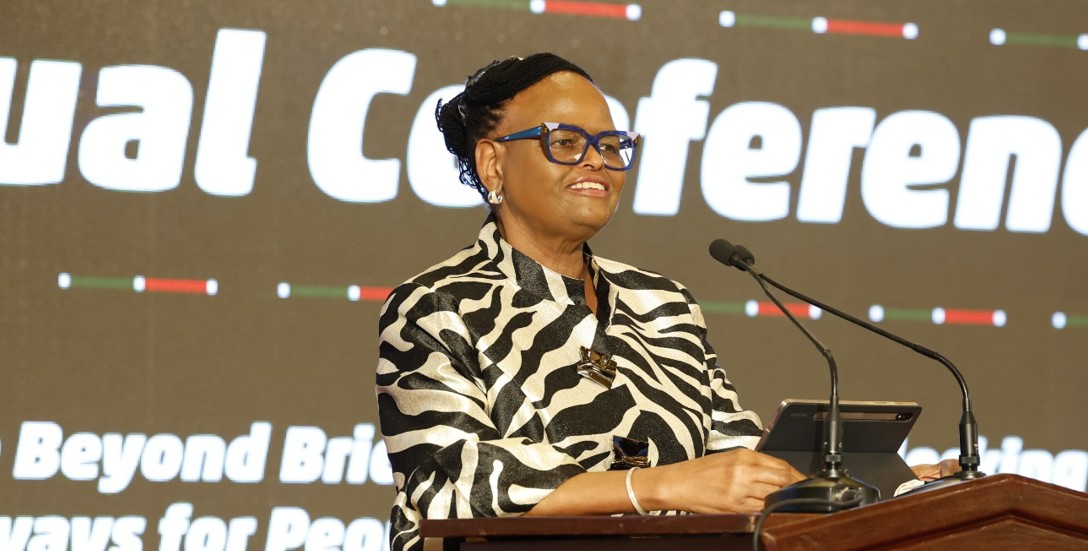
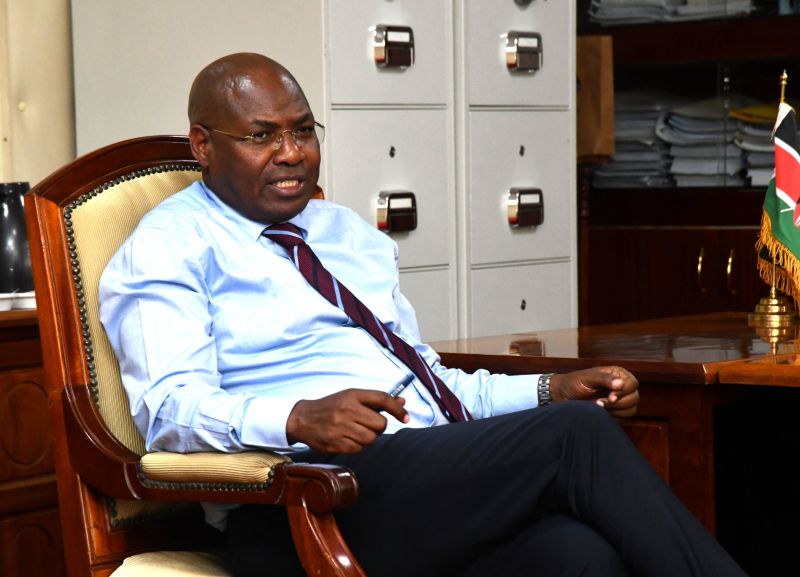
Chief Justice Martha Koome has urged East African judiciaries to deepen regional collaboration and expand multi-door, people-centred justice systems to ease caseloads and make courts more accessible to citizens.
Chief Justice Martha Koome has called for stronger collaboration among East African judiciaries to enhance the region's multi-door approach to justice and ensure that judicial systems respond more effectively to the lived realities of citizens.
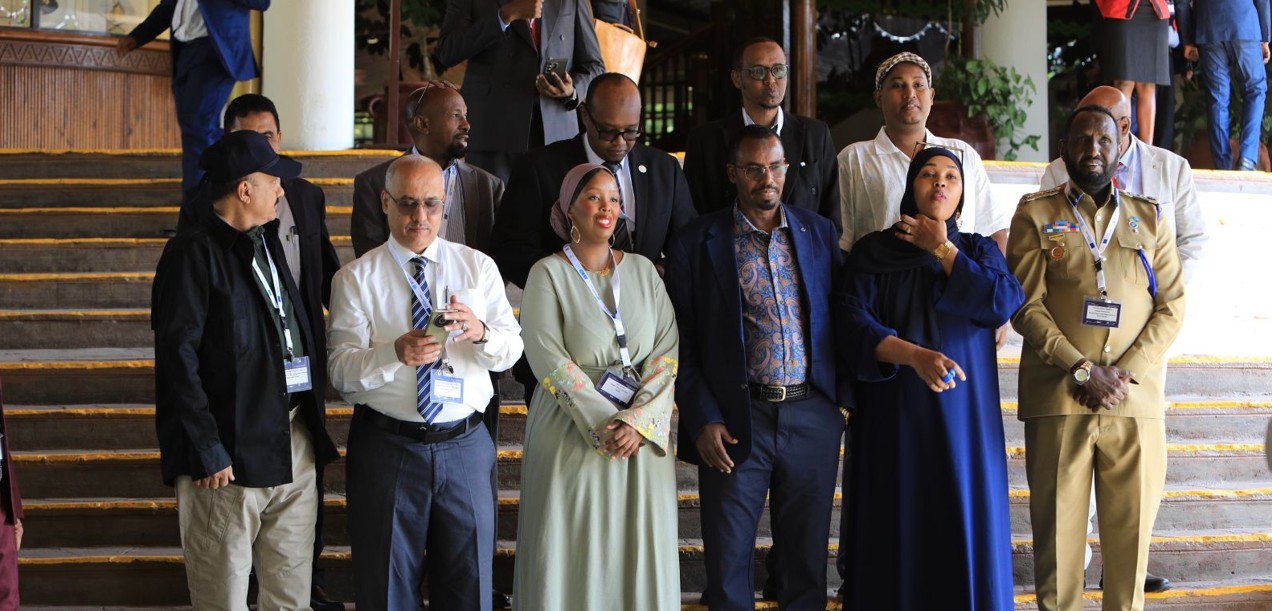
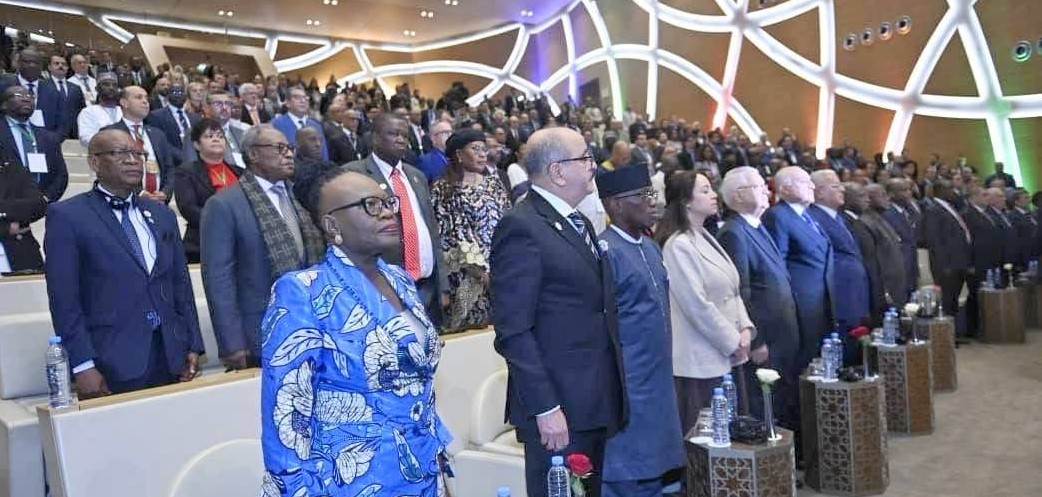
Speaking at the official opening of the 22nd East Africa Magistrates and Judges Association (EAMJA) Annual Conference, Justice Koome highlighted that countries across the region face similar challenges—ranging from legislative gaps and resource constraints to limited community engagement and capacity—which require joint solutions.
More To Read
- CJ Koome urges contextual enforcement of Marriage Act, stronger family justice system
- How circuit, mobile courts expanded justice to underserved communities - report
- Supreme Court to receive title deed by December 25, says DP Kithure Kindiki
- Koome reports historic 104 per cent case clearance rate, hails milestone for justice access
- African Bar Association honours Supreme Court of Kenya for judicial excellence
- CJ Koome recalls defending Raila during detention, hails his legacy of justice and courage
"The challenges affecting our justice systems are shared across the region. This is why regional collaboration remains critical and indispensable," she said, noting that EAMJA provides a unique platform for peer learning and collective problem-solving.
Diversifying justice mechanisms
The conference, held under the theme "Justice Beyond Brick and Mortar: Unlocking Multi-Door Pathways for People-Centred Justice in East Africa," focused on the growing need to diversify justice mechanisms beyond traditional court processes.
Koome emphasised that, while each country has its own trajectory in reforming its justice sector, a shared regional commitment is essential to refine and strengthen multi-door justice models.
She urged member states to support jurisdictions where Alternative Justice Systems (AJS), mediation frameworks, and specialised courts are still developing. Such cooperation, she said, would help harmonise regional standards and deepen inter-country partnerships, including joint training for judicial officers, mediators, and AJS practitioners.
Justice Koome stressed that the shift towards people-centred justice has become a necessity, as many citizens still perceive formal court structures as slow, distant, costly, or intimidating. Growing caseloads across East Africa, she added, have placed further strain on judicial institutions, limiting access to timely justice.
"For many of our people, courts remain places that feel out of reach. People-centred justice requires us to rethink not only how justice is delivered, but where, with whom, and through what mechanisms," she said. "Justice must be seen as a public good available within communities, supported by processes that respect culture, dignity, and agency."
She noted that Alternative Justice Systems, court-annexed mediation, and specialised courts are already transforming the justice experience in many countries, restoring relationships and strengthening public trust in the judiciary.
Accessible doorways to fairness
Deputy President Kithure Kindiki, who attended the event, echoed the Chief Justice’s remarks, stating that justice systems should serve as accessible doorways to fairness, dignity, and economic opportunity, rather than barriers that exclude vulnerable groups.
He said many citizens—particularly women, youth, rural communities, and small business owners—still view the court system as a "fortress" characterised by lengthy delays and prohibitive costs. Even as East Africa expands access to alternative justice pathways, he cautioned that all reforms must be grounded in constitutional safeguards.
"Expediency must never substitute fairness. Gender-sensitive guidelines, human rights protections, appellate pathways, and constitutional guardrails must form the backbone of all multi-door justice initiatives," he said.
Prof Kindiki assured the region that Kenya is committed to partnering with neighbouring judiciaries to share experiences, strengthen reforms, and build justice systems that "listen to citizens, respect their dignity, and deliver justice fairly and expeditiously."
Top Stories Today