Ruto says NSSF contributions double in two years, could hit Sh1 trillion by 2027
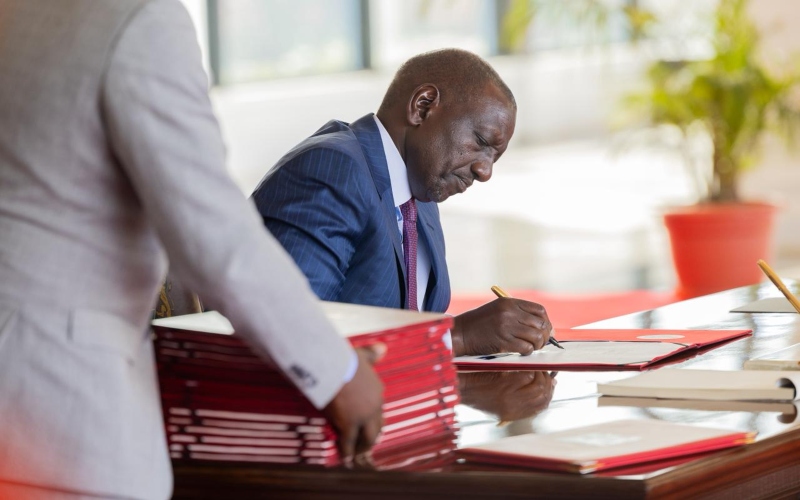
President Ruto reiterated that his prudent debt management decisions had significantly strengthened Kenya’s economic standing.
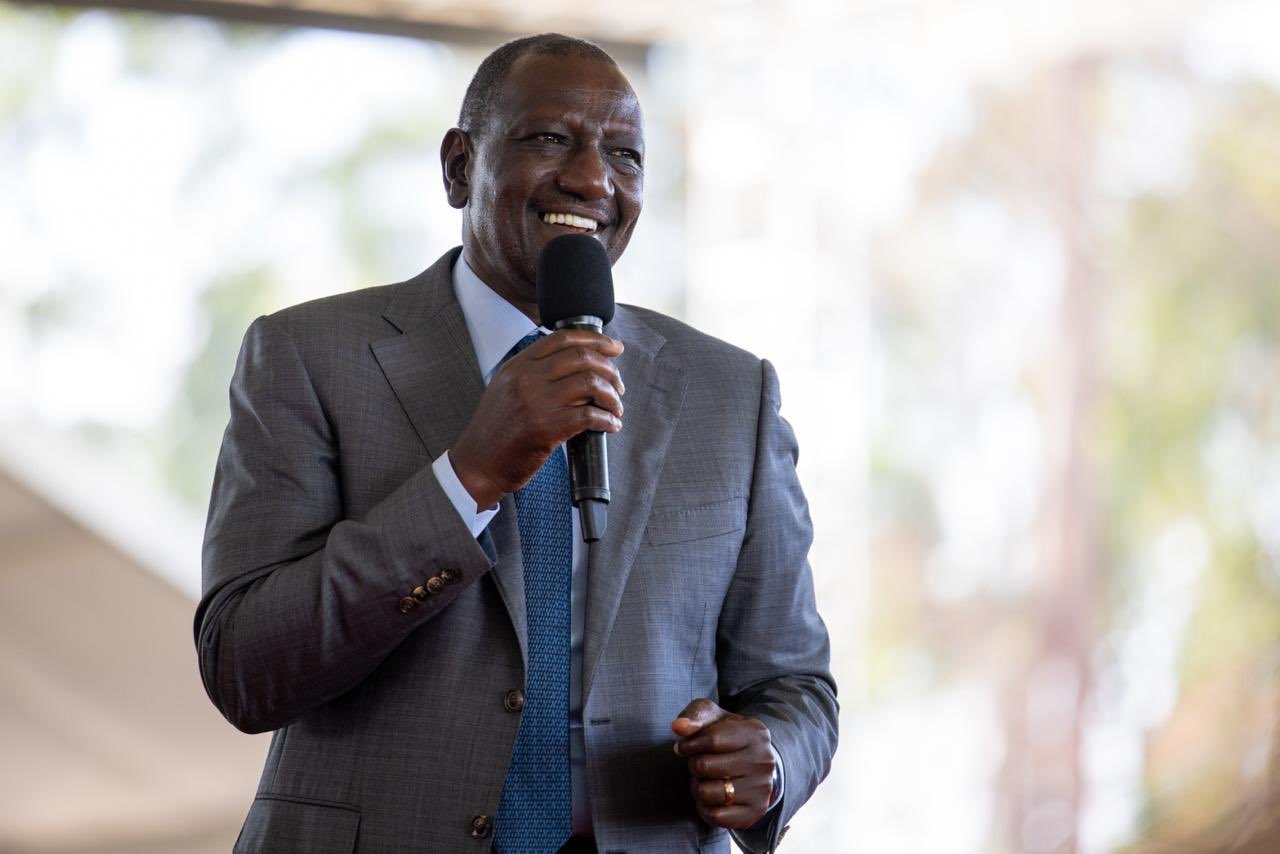
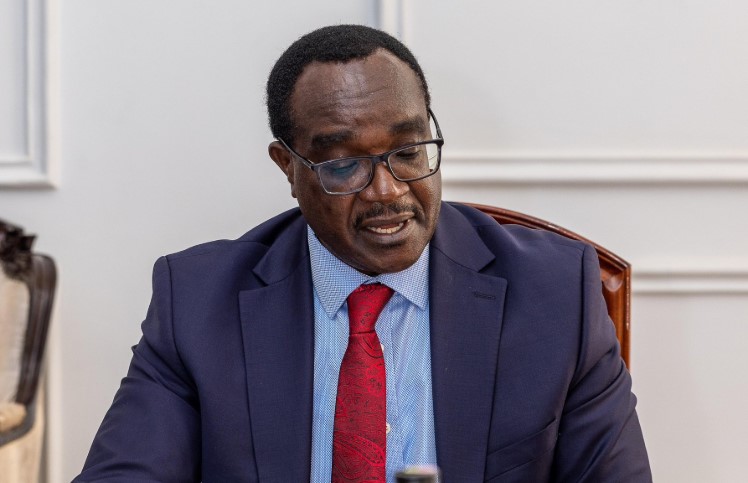
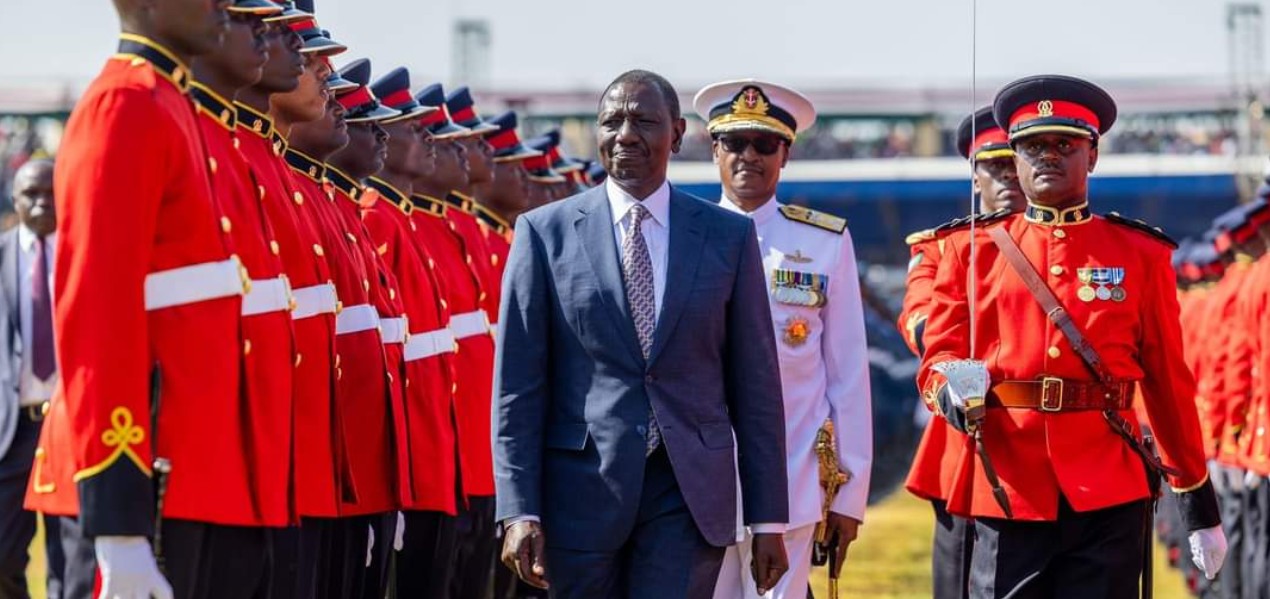
President William Ruto has announced a surge in contributions to Kenya’s National Social Security Fund (NSSF), revealing that the fund has grown from Sh320 billion to Sh670 billion under a new contribution model. He projected that the fund could reach Sh1 trillion by June 2027, enabling the government to fund development projects using domestic savings and reduce reliance on foreign borrowing.
Speaking at State House while receiving the Jukwaa la Usalama report on Tuesday, President Ruto said the growth in NSSF collections was part of a broader strategy to strengthen Kenya’s financial independence.
More To Read
- Three-judge bench to hear petition challenging National Assembly over unauthorised borrowing
- China Road and Bridge Corporation, NSSF endorsed for mega Rironi–Mau Summit Road upgrade
- Kenya spends Sh7 of every Sh10 collected on debt repayment - report
- Kenya’s public debt hits Sh11.81 trillion as Treasury pledges prudent fiscal management
- Fraud drains Kenya’s pension and health insurance funds, citizens left struggling
- State agencies owe Sh6 billion in unpaid statutory deductions, Treasury warns
“The money we had collected over 60 years under NSSF was Sh320 billion by December 2022. Since implementing the new model, it has grown to Sh670 billion in just two years — doubling what was collected in 60 years," said Ruto.
He added that Kenya’s current reliance on external loans, particularly from China, could eventually be replaced by locally generated savings. "By June 2027, we expect the fund to reach Sh1 trillion. In the next 10 to 20 years, we will not need to borrow from China or any other country,” he said.
Kenya’s economic standing
President Ruto also reiterated that his prudent debt management decisions had significantly strengthened Kenya’s economic standing. He noted that the country had avoided default, despite being among the six African nations predicted to default on external debts.
President Ruto said Kenya had been struggling with ballooning external debts, which threatened default, and that he had to make "painful decisions" to help the nation repay them.
"Today, I can confidently tell you our economy is on sound footing. Had I not made those decisions, we would be among the countries that defaulted on their debts," he noted. "Foreign reserves had reduced to $5.7 billion, and everybody believed Kenya would not be able to pay its debt. I sat in an office called number 6 with some people and agreed that we cannot be the country to default, and I had to make very difficult decisions."
Dollar reserves
He added that his measures had significantly reduced Kenya's inflation and increased dollar reserves to $12.1 billion (Sh1.565 trillion), the highest level in the nation’s history.
"Inflation has gone from 9.6 to 4.6, the dollar has recovered from Sh167 to Sh129," he said, adding that "...the long-term benefits outweigh the short-term benefits."
In its October 2025 World Economic Outlook (WEO), the International Monetary Fund (IMF) projected Kenya’s GDP in current dollars ($1 = Sh129.30) to reach $140 billion (Sh18.1 trillion) in 2026, up from $136 billion (Sh17.58 trillion) in 2025, ranking the country sixth among Africa’s largest economies.
Standard & Poor’s (S&P), which provides financial information, analytics, and credit ratings, also upgraded Kenya's long-term sovereign credit rating to 'B' from 'B-'. "The outlook is stable. At the same time, we affirmed our 'B' short-term sovereign credit rating on Kenya," S&P said in its August report.
Top Stories Today