MPs back move to amend finance law to align audit timelines with Constitution
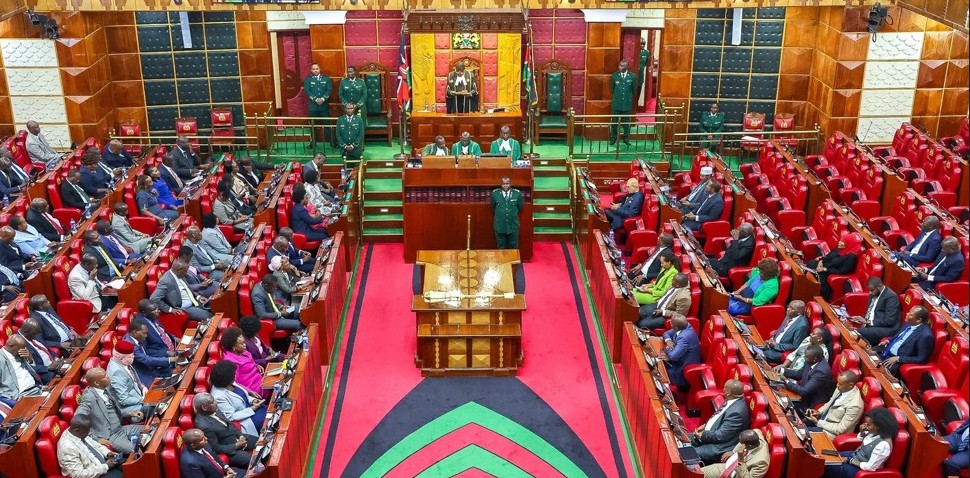
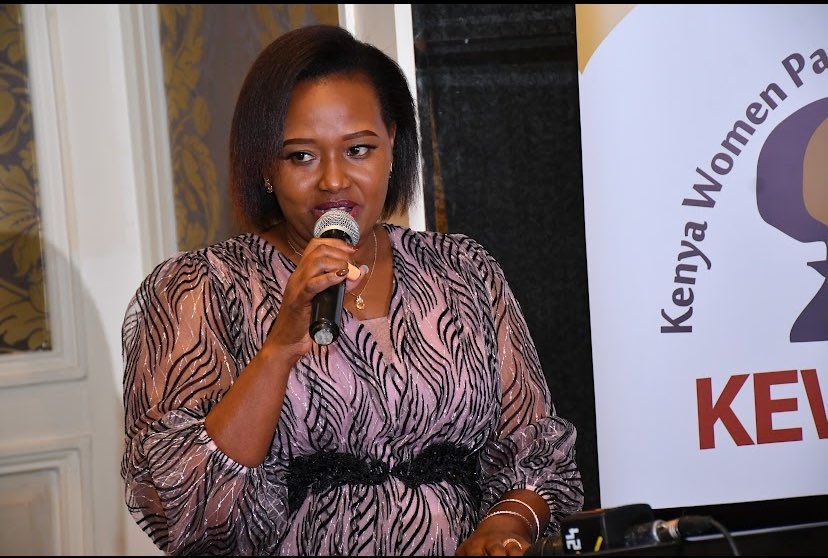
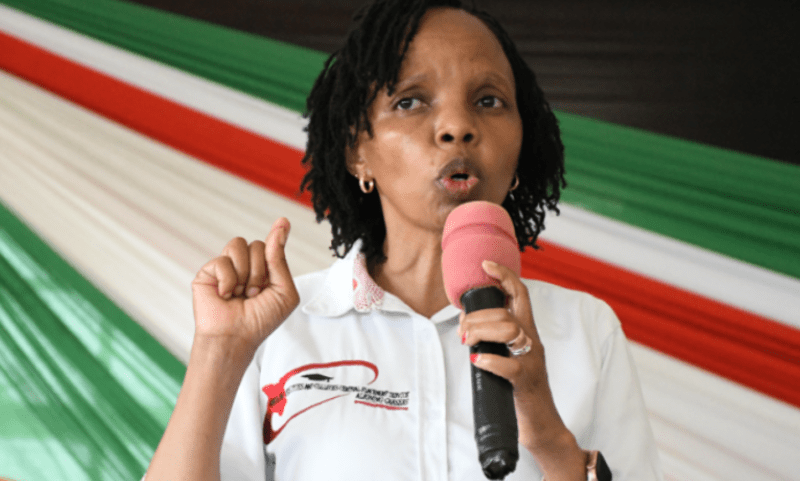
Auditor General Nancy Gathungu has called on accounting officers to hand in their financial statements within one month after the end of the financial year, ensuring compliance with the Constitution.
Members of the National Assembly have backed a request from the Office of the Auditor General (OAG) to revise the Public Finance Management (PFM) Act, aiming to harmonise it with the Constitution’s deadlines for auditing public funds.
The decision seeks to end delays in report submission and enhance Parliament’s role in monitoring how public money is spent.
More To Read
- State agencies, counties owe Kenya Power Sh4.67 billion in unpaid bills - Auditor General
- Over 16,000 in the dark as Kenya Power struggles to procure essential meters, transformers
- MPs push for urgent funding boost for Auditor General’s office
- Audit flags leadership vacuum at Garissa University since 2022
- Auditor General calls for penalties on officers who ignore audit recommendations
- Auditor General Nancy Gathungu warns of pension losses as government delays remittances
The Constitutional Implementation Oversight Committee (CIOC) said updating the law is necessary to prevent reporting backlogs that have hindered timely scrutiny of government accounts.
Auditor General Nancy Gathungu has called on accounting officers to hand in their financial statements within one month after the end of the financial year, ensuring compliance with the Constitution.
"The committee recommends that the National Assembly amends the PFM Act to reconcile statutory deadlines with the Constitution," the CIOC report reads.
It adds that the OAG has been constrained by conflicting provisions in the PFM Act, which reduce the audit period from six months to just three months, making it difficult to meet constitutional timelines.
The report further proposes that the amended law should require all public institutions to submit statements promptly, with clear sanctions for officers who fail to comply.
Under Article 229 of the Constitution, operationalised by the Public Audit Act, the Auditor General audits and reports on the use of all public resources, including those of national and county governments, state organs, courts, public debt, and entities funded with public money.
Article 229(4) states that audits must be completed within six months after the close of a financial year, with Parliament receiving reports for consideration.
Currently, section 68(k) of the PFM Act allows a three-month window for submission, creating a clash with the constitutional timelines.
With the financial year running from July 1 to June 30, the OAG must submit reports to Parliament by December 31, and MPs have until March 31 to review the accounts and direct corrective measures.
The CIOC noted that some accounting officers still follow the PFM Act timelines or submit reports late, a problem made worse by a 2023 High Court ruling emphasising strict constitutional compliance.
This has led to persistent reporting delays and weakened Parliament’s oversight of public funds.
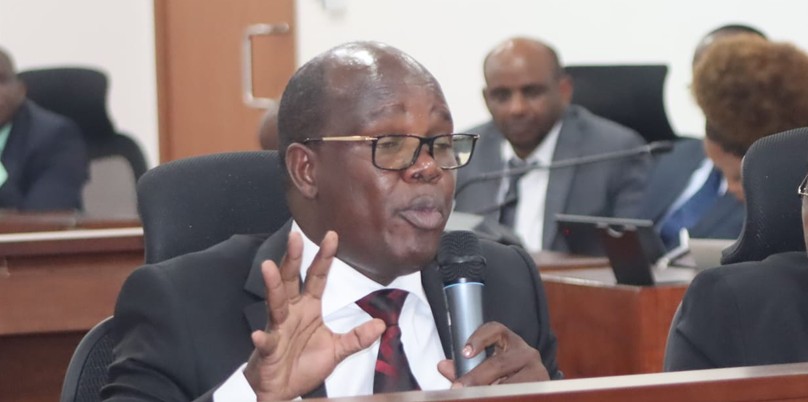
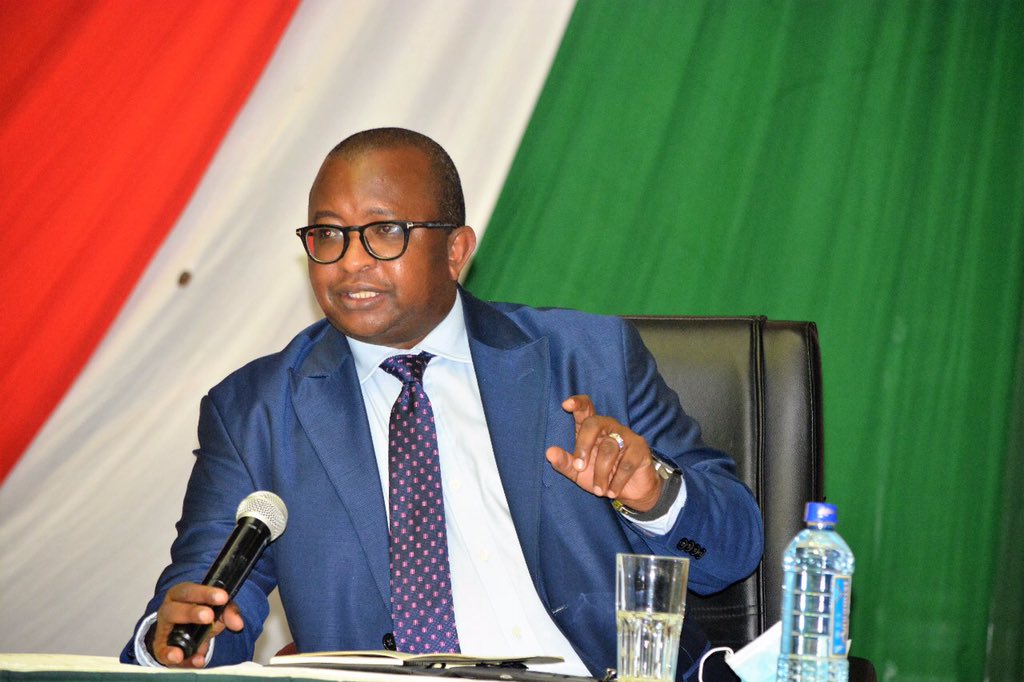
Deputy Auditor-General Isaac Ng’ang’a told the committee that while the OAG meets deadlines, Parliament has lagged in reviewing reports.
"The OAG has always complied with submission timelines with regard to reports. However, there was a lot of backlog in the Parliamentary process of debating and considering the audit reports," Ng’ang’a said, a view endorsed by the committee.
The OAG continues to exercise full independence to audit all public resources, including those managed by private entities, and to report without any interference.
Top Stories Today