Out-of-pocket medicine costs surge amid drug shortages in Kenya
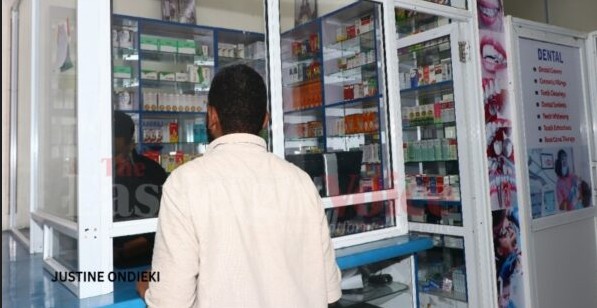
The sudden withdrawal of US funding earlier this year has intensified financial pressure on households, disrupting treatment for chronic conditions such as HIV, tuberculosis, hypertension, and diabetes.
A recent survey has revealed that nearly two-thirds of Kenyans were forced to pay out of pocket for essential medicines between April and May 2025, following widespread shortages in both public and private health facilities.
The sudden withdrawal of US funding earlier this year has intensified financial pressure on households, disrupting treatment for chronic conditions such as HIV, tuberculosis, hypertension, and diabetes.
More To Read
- Kenya's HIV statistics (2024)
- German researchers find highly effective HIV antibody
- Zambia approves injectable HIV prevention drug
- Viral infections linked to higher risk of heart attacks and strokes
- Africa imports over 70 per cent of its medicines — Local production of ingredients could change that
- Male circumcision is made easier by a clever South African invention - we trained healthcare workers to use it
The survey, conducted by the National Syndemic Diseases Control Council (NSDCC), which manages syndemic diseases including HIV, malaria, leprosy, tuberculosis, and lung conditions, found that the average monthly out-of-pocket expenditure on medicines nearly tripled, rising from Sh420 to Sh1,150.
For many households, this sudden spike rendered healthcare unaffordable, forcing approximately 18 per cent of patients to sell personal assets to meet treatment costs.
Others delayed or abandoned therapy, exposing themselves to serious health risks. The report notes that chronic disease patients, including those managing long-term conditions like hypertension and diabetes, were particularly affected, with medicine bills consuming a substantial portion of household income and creating intense economic strain.
“Furthermore, people living with HIV reported overwhelming fear (92 per cent) of antiretroviral therapy interruption, with 18 per cent resorting to selling assets just to afford their life-saving medications, highlighting the extreme financial and psychological burdens imposed,” the report stated.
Many of these patients relied on previously free or heavily subsidised treatment, and the sudden shift to full out-of-pocket costs has heightened anxiety and uncertainty about maintaining their care.
The survey also revealed severe disruptions across healthcare facilities nationwide. Over 40 per cent of hospitals and clinics reported stockouts of critical medicines and medical supplies.
Cotrimoxazole, essential for preventing infections in people living with HIV, was missing in one-third of facilities.
HIV testing kits were unavailable in 17 per cent of facilities, hindering early diagnosis and timely initiation of treatment.
Tuberculosis services were similarly affected, with nearly 15 per cent of facilities lacking GeneXpert cartridges, delaying diagnosis and increasing the risk of undetected transmission. Other chronic disease treatments, including medications for hypertension and diabetes, were inconsistently available, further complicating care for patients who rely on continuous therapy.
Patients reported additional challenges as routine healthcare services were disrupted. Some were forced to skip clinic visits, delay appointments, or ration medicines, while healthcare workers struggled to maintain continuity of care amid depleted stocks.
The findings underline the vulnerability of Kenya’s medicine supply chains, particularly in counties that depend entirely on the Kenya Medical Supplies Authority for procurement.
Top Stories Today