EACC seeks access to mobile money data, more powers to fast–track graft cases under new bill
If passed, the law will prohibit anyone convicted of corruption from participating in public tenders for ten years, criminalise influence peddling, and provide robust protections for whistle-blowers who expose wrongdoing.
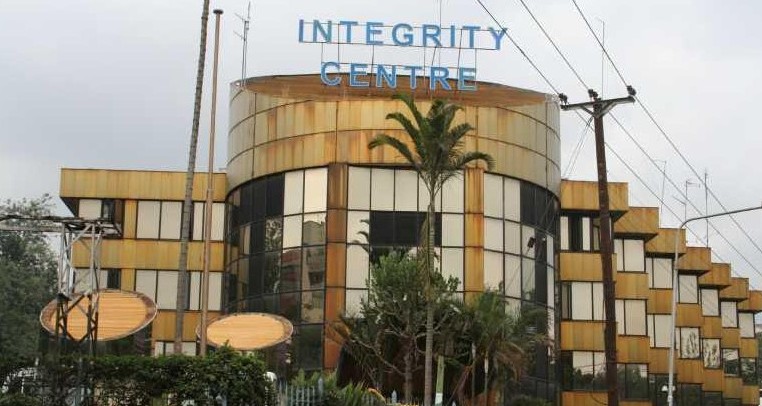
The Ethics and Anti-Corruption Commission (EACC) is pushing for stronger tools and faster processes to fight graft, unveiling legislative and policy reforms to speed up investigations and improve accountability across financial systems.
The proposed Anti-Corruption Laws (Amendment) Bill, 2025, seeks to reduce the duration of corruption trials and appeals to six months.
More To Read
- 152 officers fail integrity tests as EACC flags widespread ethical breaches
- EACC intensifies war on corruption, recovers Sh3.4 billion in assets
- EACC report exposes billions lost to corruption in state agencies, counties
- EACC targets money laundering to remove Kenya from global crime watchdog’s grey list
- Bribery dominates EACC corruption cases, embezzlement close behind
- What charges Benjamin Netanyahu faces and what a pardon could mean
It would also give investigators broader access to mobile money records and data from non-bank financial institutions, aiming to block channels frequently exploited for corrupt dealings.
If passed, the law will prohibit anyone convicted of corruption from participating in public tenders for ten years, criminalise influence peddling, and provide robust protections for whistle-blowers who expose wrongdoing.
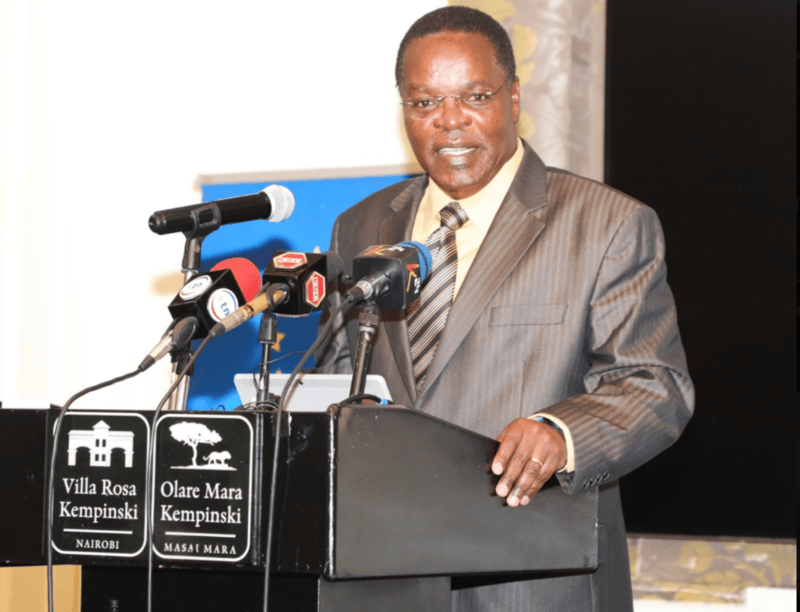
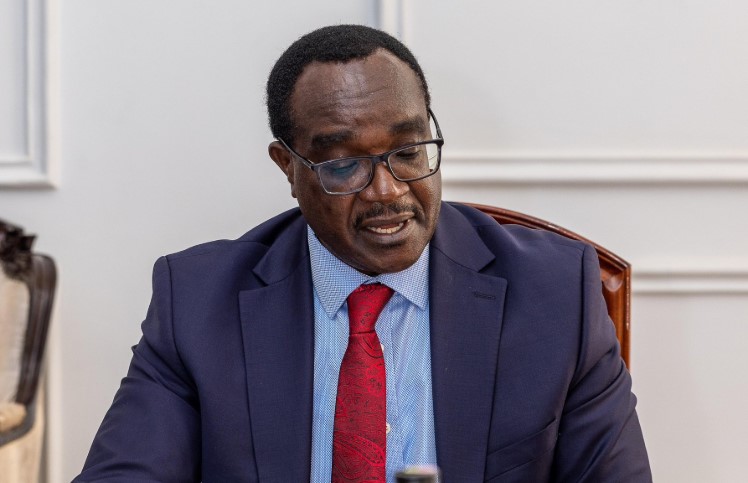
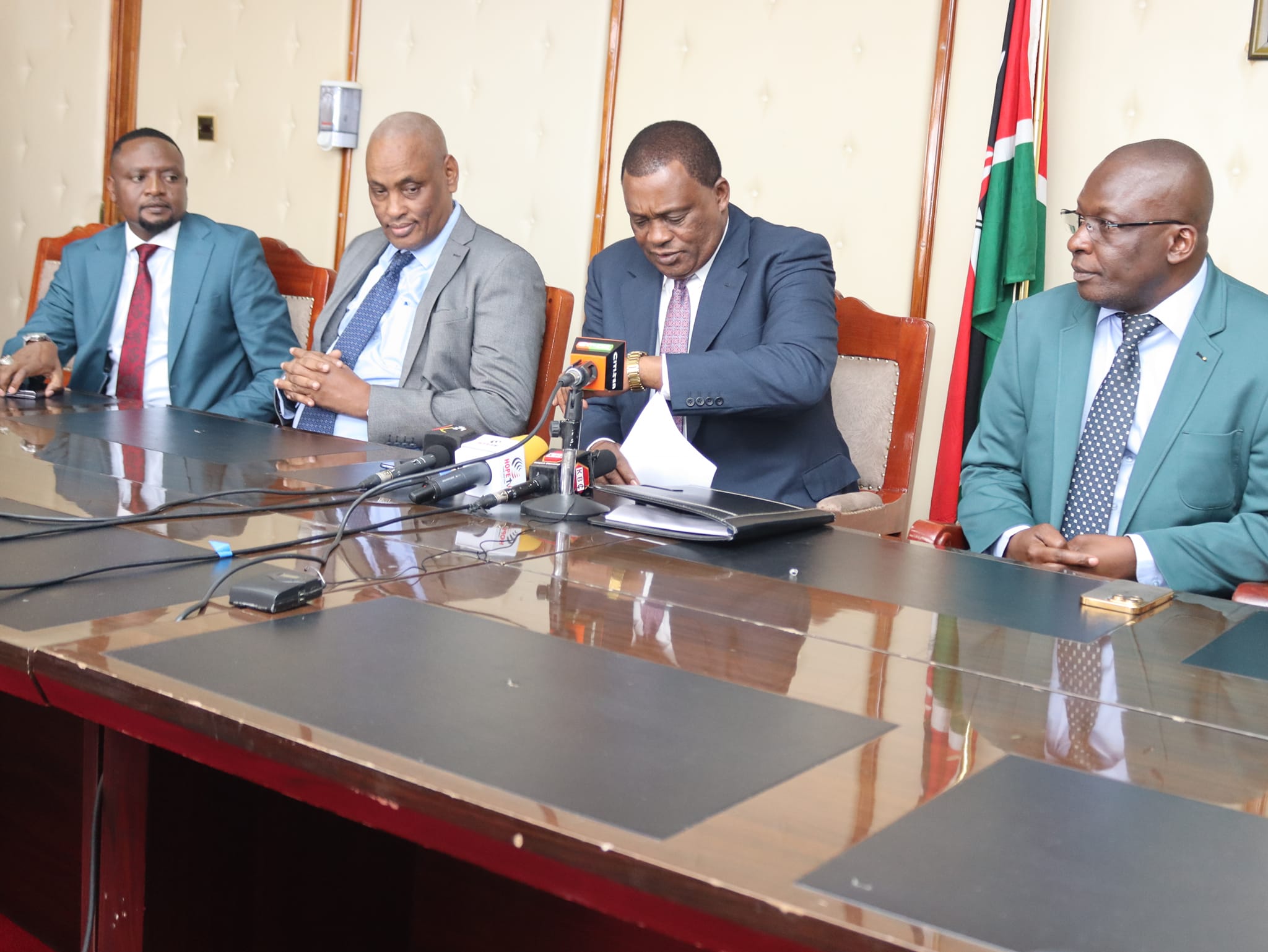
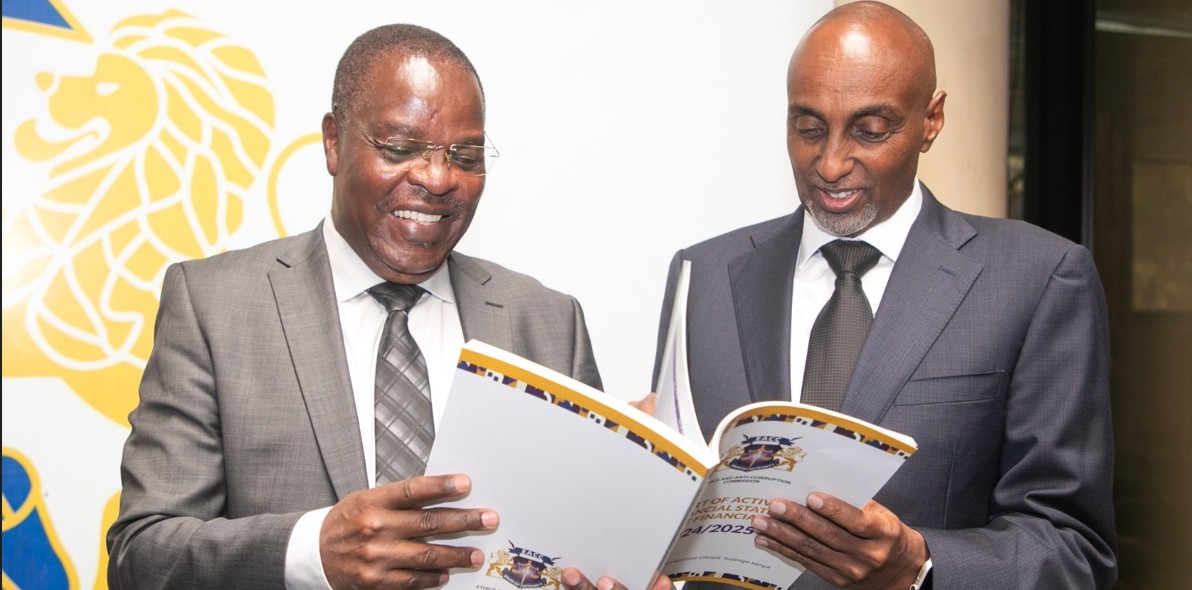
Speaking during the launch of the EACC 2024/2025 annual report on Monday, Chairperson David Oginde said the year marked “significant steps” in reinforcing Kenya’s anti-graft framework.
Oginde highlighted the enactment of the Conflict-of-Interest Act as a key measure in preventing unethical behaviour from turning into full-scale corruption.
“This landmark law grants the Commission clearer authority and enhanced tools to detect and address conflicts of interest, one of the most pervasive gateways to corruption,” Oginde said. “It empowers us to intervene early, before unethical conduct escalates into criminality.”
He also emphasised the Anti-Corruption Guiding Framework adopted by the National Council on the Administration of Justice, which has strengthened coordination among agencies and accelerated case handling.
The rollout of the e-GP system for public procurement, he said, has improved transparency in a sector where losses were common.
“These reforms affirm a simple truth: when the policy and legal environment is strengthened, the fight against corruption gains real momentum,” he said.
EACC noted that partnerships with government agencies, civil society, private sector players, media, and international partners grew substantially in the last year, boosting anti-corruption operations.
Oginde further raised alarm over the rising incidence of falsified academic and professional certificates, warning that such practices undermine Kenya’s merit-based systems. The problem was a major topic at the recent National Ethics and Integrity Conference.
The Commission has also stepped up engagement with young people through integrity dialogues and online campaigns, aiming to cultivate a culture of accountability. High-risk institutions, including the National Police Service, Kenya Power, NSSF, and Kenya Prisons Service, have received intensified anti-corruption oversight.
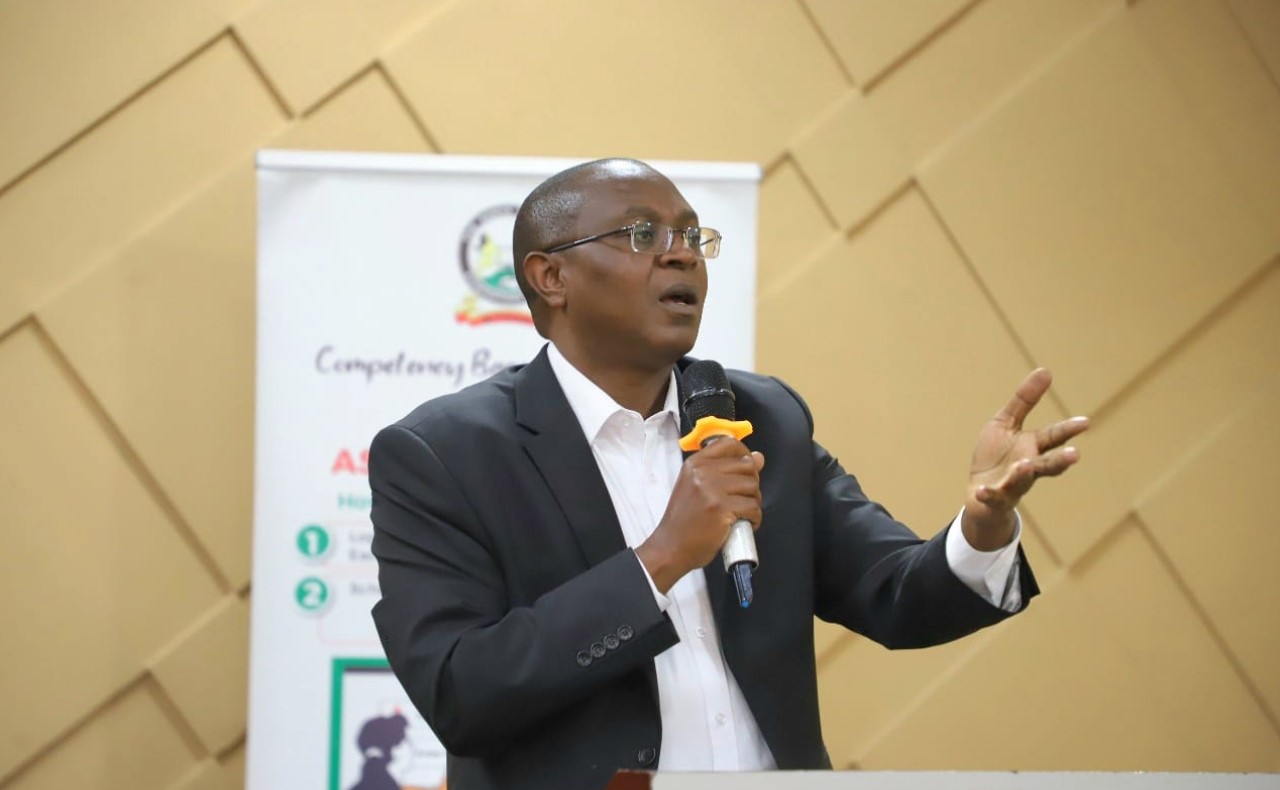
CEO Abdi Mohamud said forums like the Kenya Leadership and Integrity Forum (KLIF) have been critical in uniting institutions around shared corruption-prevention objectives.
“Further, the Commission continues to strengthen the Kenya Leadership and Integrity Forum (KLIF) and the National Integrity Academy (NIACa) as strategic avenues for implementing the corruption preventive mandate,” he said.
“We have, equally, navigated through various challenges by staying true to our vision of promoting integrity and combating corruption through law enforcement, prevention and education,” Abdi added.
Looking forward, the Commission plans to monitor major government projects more closely, crack down on bribery at service points, recover unexplained wealth, deepen joint agency efforts, and expand public awareness campaigns, particularly targeting youth and media. These actions form part of the EACC Strategic Plan 2023–2028.
Abdi stressed that these reforms come at a crucial time as Kenya works to strengthen its anti–money laundering and counter-terrorism financing systems to support removal from the FATF Grey List.
“It is important to point out that the current implementation cycle (FY 2025/2026) comes at a pivotal moment, when there’s a heightened call for the country to strengthen its AML/CFT interventions to facilitate delisting from the FATF Grey List,” he said. “This places an enormous responsibility on the Commission, especially on matters of money laundering.”
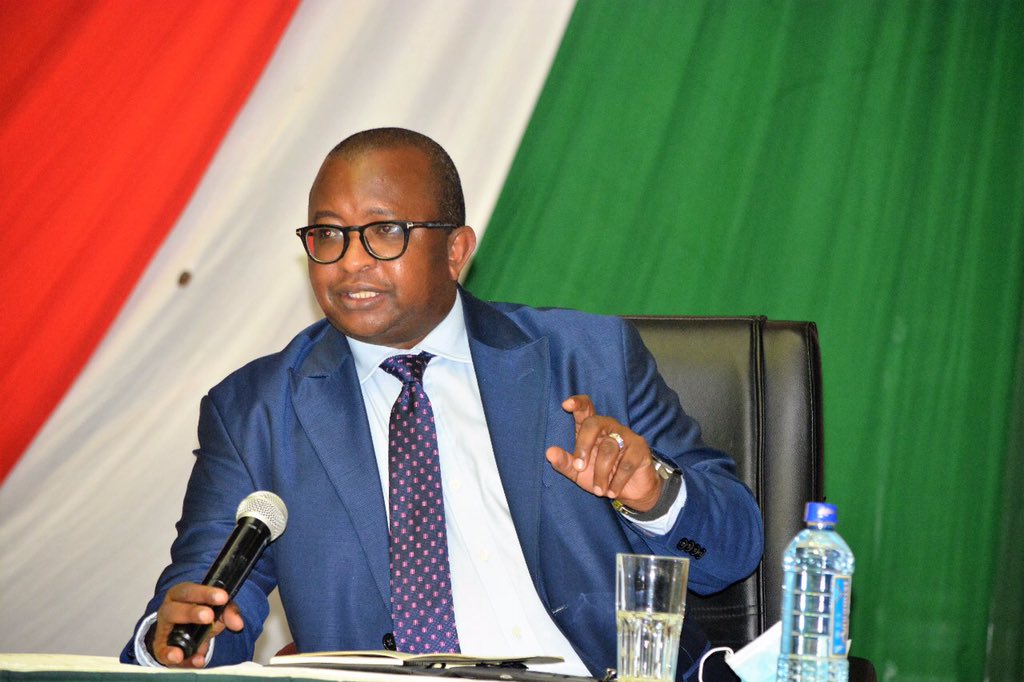
He urged all directorates within EACC to fast-track money-laundering investigations and ensure cases are not delayed. Abdi acknowledged that progress has been made thanks to sustained government support, as well as collaboration from justice institutions, civil society, and media partners.
“Our success depends on your sustained vigilance,” he said, appealing to stakeholders to review the report and hold public institutions accountable.
Top Stories Today