Healthcare, food, housing, education dominate rights concerns, KNCHR finds

A KNCHR report shows 2,848 rights complaints in Kenya, with healthcare, food, housing and education leading concerns and unmet socio-economic rights linked to civil and political violations.
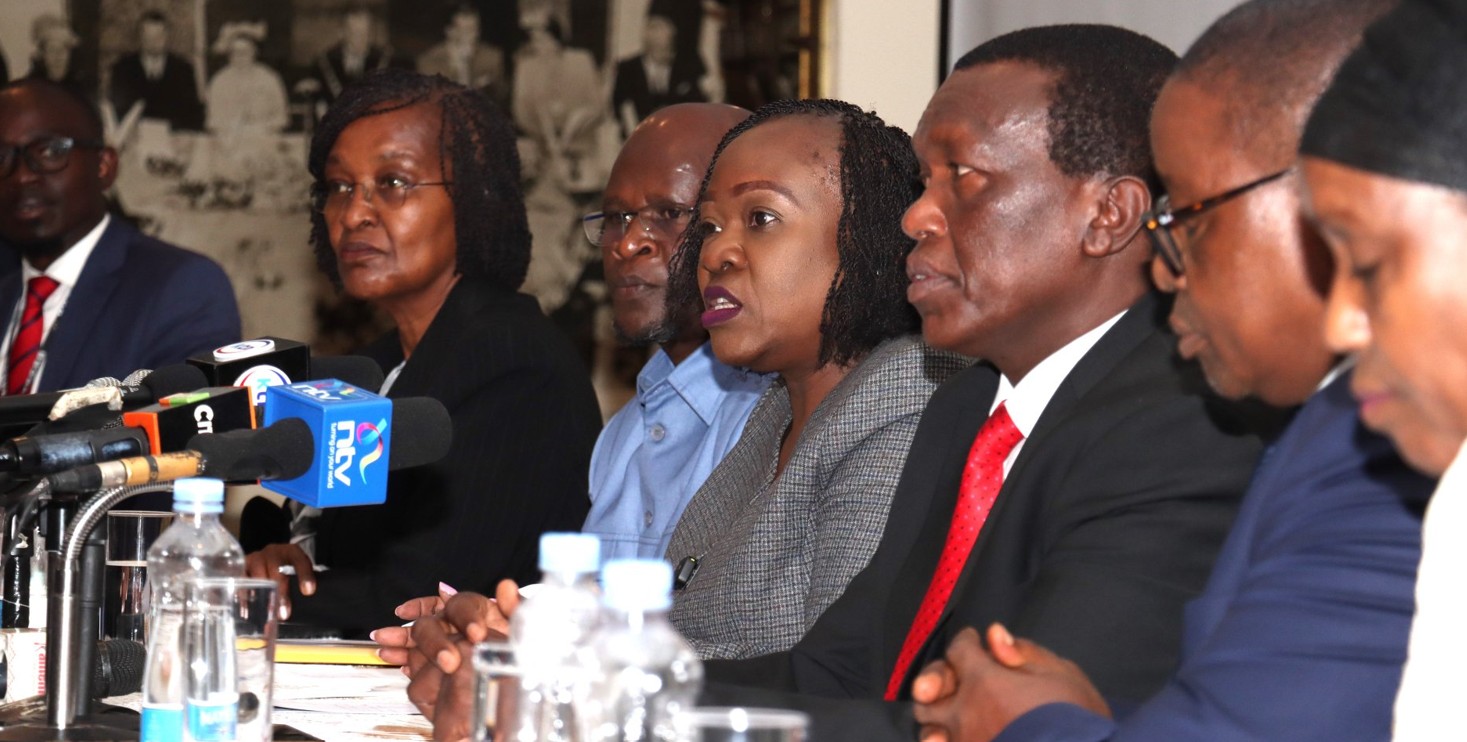
A new report by the Kenya National Commission on Human Rights (KNCHR) reveals that Economic, Social, and Cultural (ECOSOC) rights, including access to healthcare, food, housing, and education, are the most reported human rights concerns in Kenya.
Of the 2,848 complaints received between December 2024 and December 2025, 1,210 were filed by young people aged 18 to 34. Adults aged 35 to 59 accounted for 1,297 complaints, while 257 came from those aged 60 and above.
More To Read
- Three people died during November by-elections, says KNCHR
- KNCHR flags grave abuses across Kenya in annual review, records 57 deaths
- PSC extends deployment of 1,400 former NHIF staff at SHA for third time
- UN human rights experts visit Kenya privately amid concerns over crackdowns, civic freedoms
- Agrifood SMEs to benefit from new Sh16.4 billion funding programme
- East and Central Africa unveil joint plan to boost food security and grain trade
Complaints related to ECOSOC rights were the highest at 1,381 cases, followed by 1,173 complaints concerning civil and political rights, and 299 complaints on group rights.
The Commission noted that unmet socio-economic rights may have contributed to the majority of civil and political rights violations, particularly among young people.
"The Commission notes that unmet ECOSOC rights, as highlighted in this report, may have led to widespread agitation, particularly by the youth, resulting in the majority of the civil and political rights violations documented in the period under review," the report reads in part.
"The Economic and Social Rights provided under Article 43 of the Constitution include the right to the highest attainable standards of health, water, food, education, social security, and housing. This category of rights forms a critical pillar of development, peace and security of any country," it added.
On healthcare, the Commission welcomed the government’s proposed allocation of Sh138.1 billion to the sector for 2025/26, up from Sh127 billion, noting that key areas such as Universal Health Coverage coordination, the Primary Healthcare Fund, chronic and critical illness care, and immunisation programs would benefit.
The Commission highlighted ongoing efforts under the Social Health Authority’s Taifa Care strategy and praised the establishment of the Benefits Package and Tariffs Advisory Panel to guide inclusive, evidence-based health services.
KNCHR also welcomed the January 2025 High Court ruling declaring Section 226 of the Penal Code unconstitutional for violating the rights to health, equality, and non-discrimination, as well as advisory rulings preventing hospitals from detaining bodies over unpaid bills.
However, the report flagged challenges, including delayed payments to SHA-contracted providers, persistent shortages of medicines, employment issues among UHC staff, alleged organ harvesting and trafficking, and digital health platform challenges that risk excluding rural populations and vulnerable groups.
"The Commission regrets the reported cases of alleged organ harvesting and trafficking targeting vulnerable members of the society and calls on the Ministry of Health to address the issue with finality," said KNCHR in its report.
KNCHR urged the Ministry of Health to ensure timely payments to providers, expand the Lipa SHA Polepole initiative to make healthcare more affordable, integrate human rights impact assessments into digital health programs, establish a centralised human resource agency for health practitioners, and ensure uninterrupted supply of medical services.
The Commission stressed that addressing these gaps is critical for safeguarding socio-economic rights and ensuring access to essential healthcare for all Kenyans.
KNCHR also raised concerns over food security, noting that while Kenya’s Self-Sufficiency Ratio improved to 105.5 per cent in 2024, challenges persist in arid and semi-arid counties such as Samburu and Tana River.
Residents in these areas face limited access to diverse diets, reduced milk consumption, and insufficient health outreach services.
Farmers, particularly maize producers, have also complained about low prices for their produce, despite reductions in fertiliser costs, which make farming unprofitable in some cases.
The Commission urged the government to implement targeted interventions to support farmers, improve access to affordable and nutritious food, and ensure that vulnerable communities can fully enjoy their constitutional right to be free from hunger.
Top Stories Today