122 electrocuted as illegal connections, encroachment rise - Kenya Power
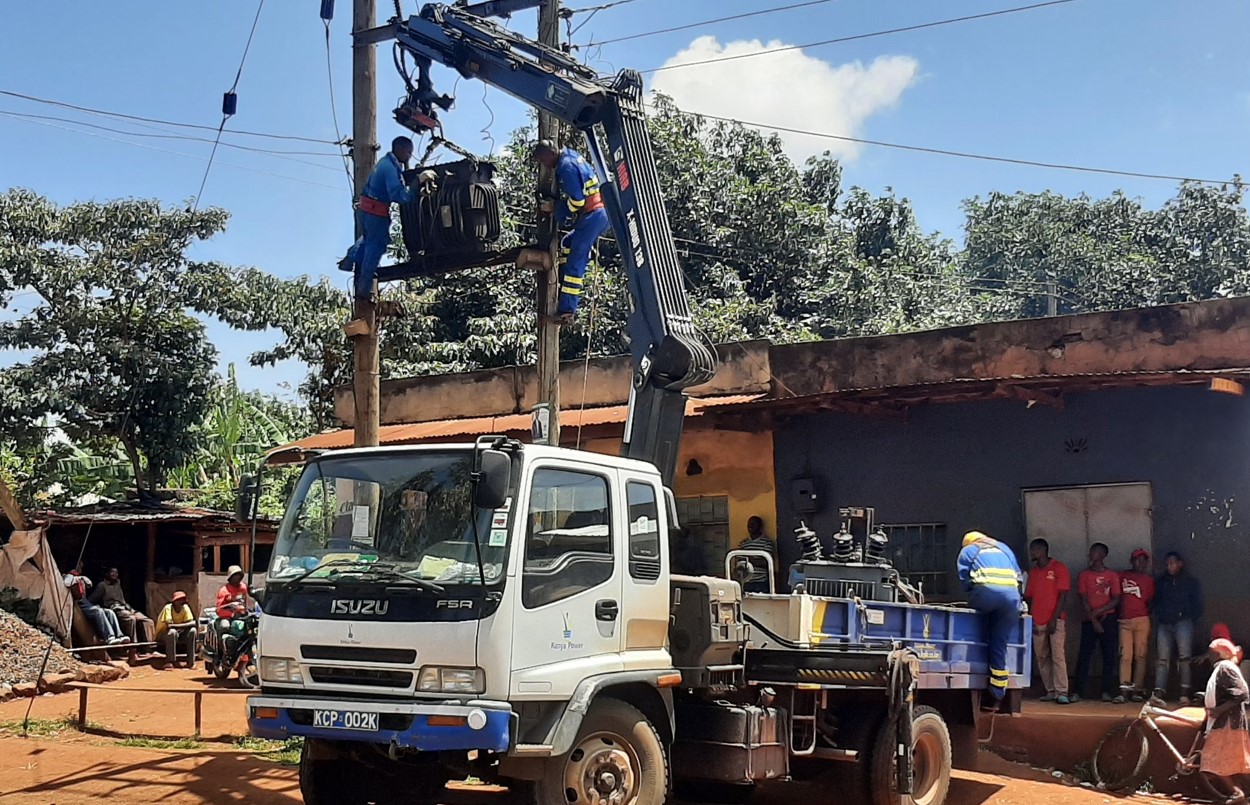
21.7 per cent of the fatalities were caused by faulty wiring at customer premises, 12.2 per cent by structures or activities near power lines and 11.2 per cent by illegal connections and extensions.
The number of people electrocuted in Kenya has risen to 122 in the year ending June 2025, highlighting the growing dangers of illegal power connections and encroachment on high-voltage areas.
According to Kenya Power’s 2025 annual report, the fatalities include 115 members of the public, five employees and two contractors. The figure represents an increase from 118 deaths the previous year, highlighting persistent safety risks linked to illegal electricity connections, encroachment on wayleaves and poor wiring.
More To Read
- County governments owe Kenya Power Sh5.67 billion in unpaid electricity bills - report
- Kenya Power rolls out digital meter reading system to boost billing accuracy
- Power producers warn of costly PPAs as Parliament lifts seven-year moratorium
- Kenya moves to end power shortages and lower electricity costs
- Kenya Power awards Sh3.5 billion in tenders to youth, women and PWDs
- Auditor General flags Sh1.37 billion overdue payments at KenGen amid rising debts
“Unfortunately, there were 122 fatalities attributed to electrocutions and operational-related accidents, comprising 115 members of the public, five employees and two contractors,” reads the report.
The report notes that 21.7 per cent of the fatalities were caused by faulty wiring at customer premises, 12.2 per cent by structures or activities near power lines and 11.2 per cent by illegal connections and extensions.
Fallen lines caused 10.5 per cent of deaths, vandalism seven per cent, third-party interference 4.3 per cent and illegal electric fences, ignorance and protection failures made up the remainder.
The company noted that illegal connections not only put the public at risk of electrocution but also overload transformers, creating grid instability that endangers both engineers and communities.
“Vandalism, encroachment and flawed connections are rampant problems in informal settlements,” the firm said.
The utility highlighted that only fatalities directly caused by its negligence are eligible for compensation, meaning most families of the victims are unlikely to receive payments. Past court rulings have, however, forced the company to pay significant sums in cases where staff negligence was proven.
In Mombasa, for example, a woman’s family received Sh3.2 million after she was electrocuted by a fallen line, while another family was awarded Sh14.2 million early last year. In 2021, the company lost an appeal after being ordered to pay Sh22 million to a family whose child lost both hands to electrocution.
Despite the hazards, encroachment and power theft remain widespread.
Under the Energy Act 2019, infringing on wayleaves or vandalising power lines is classified as an economic crime, punishable by a minimum fine of Sh5 million, ten years imprisonment, or both.
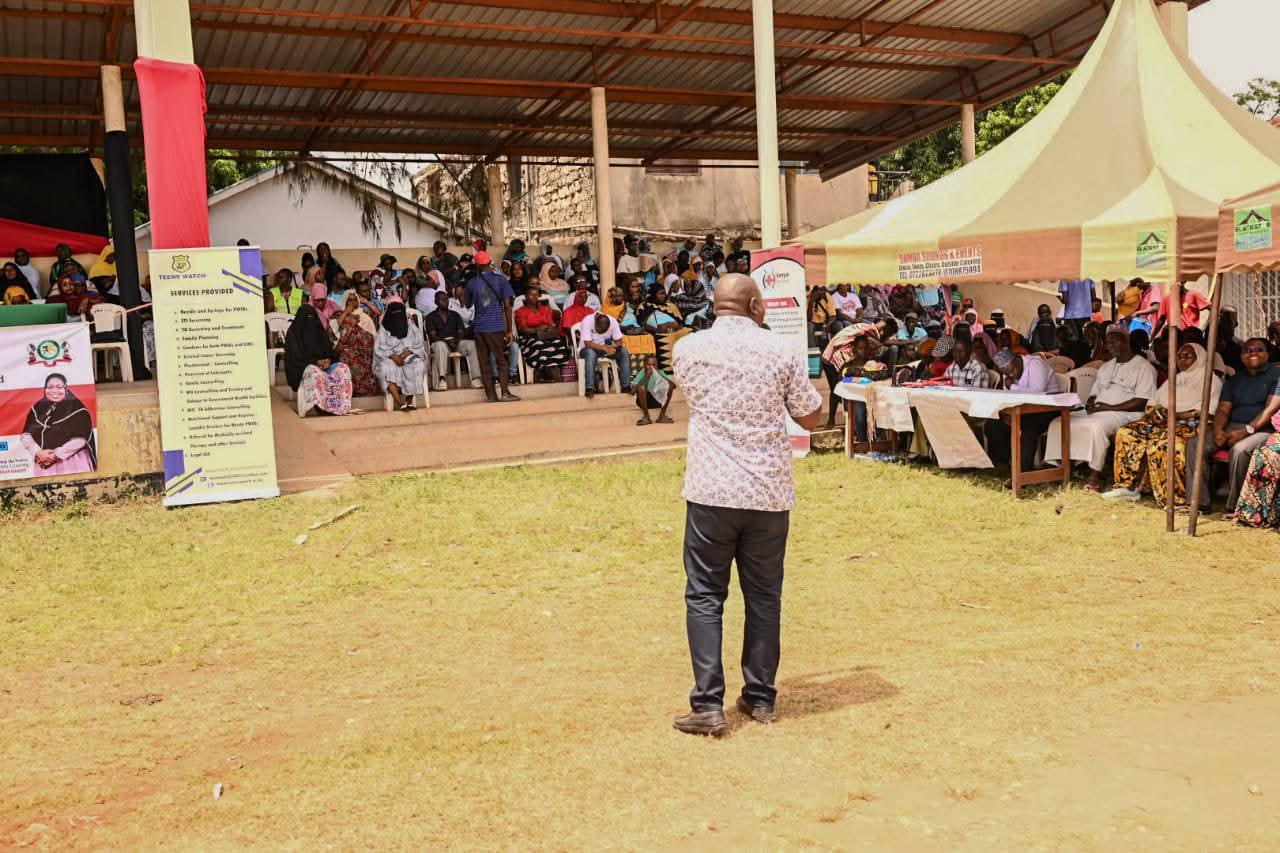
Kenya Power has intensified safety measures, including 648 public safety campaigns in schools, churches and community barazas and 237 safety talks for technical teams.
The company supplied personal protective equipment worth Sh100 million to frontline employees and implemented occupational safety programs reaching 6,686 staff at Sh14.4 million. Routine worksite inspections and staff competency checks were also conducted to strengthen compliance with safety regulations.
While occupational fatalities decreased by 50 per cent to five employees, contractor deaths fell by 33 per cent to two, and public fatalities reduced slightly by three per cent to 115, the company stresses that safety remains a top priority. Accident frequency per 100,000 man-hours for staff fell from 0.19 to 0.13, while transformer-related accident frequency dropped from 2.49 to 2.19.
“While these measures have contributed to notable progress, our commitment remains steadfast: to continually enhance safety in our business operations towards a future where every employee, contractor and member of the public is free from accidents,” Kenya Power said.
Top Stories Today