KNCHR report casts doubt on Kenya’s commitment to refugee protection
Kenya’s human rights commission reports forced return of Turkish asylum seekers, clashes in Kakuma, non-compliance in Ogiek land rulings and child rights violations, urging stronger protections for refugees, Indigenous Peoples and PWDs.
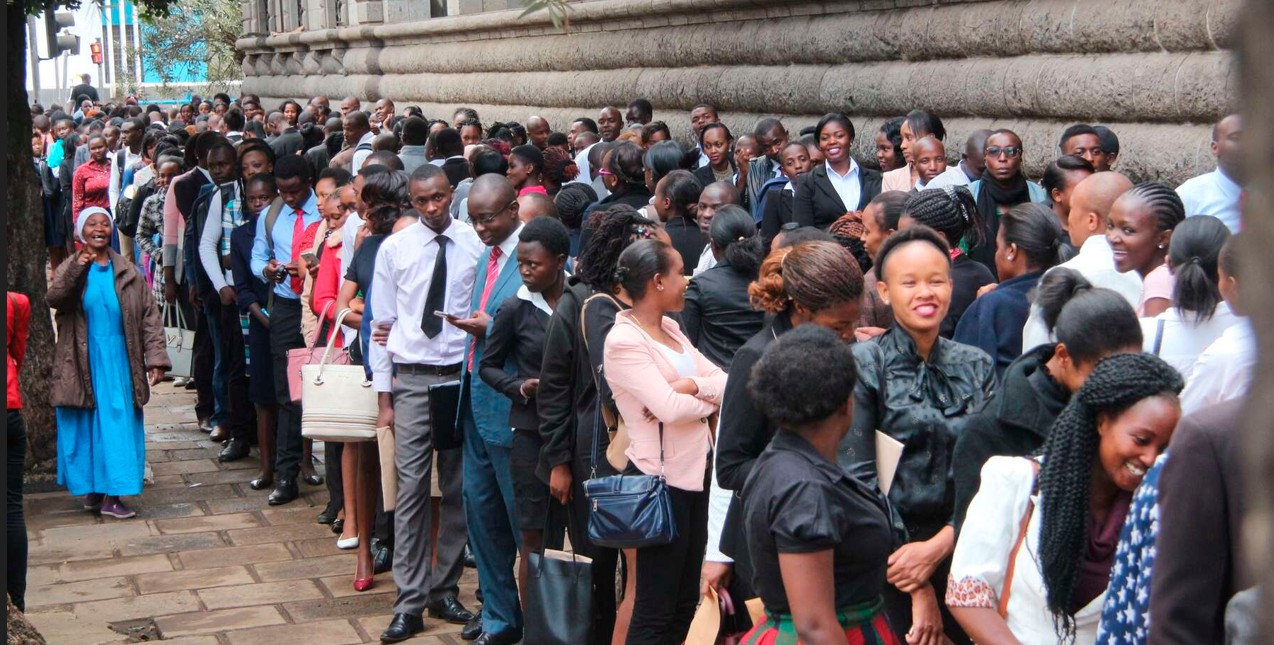
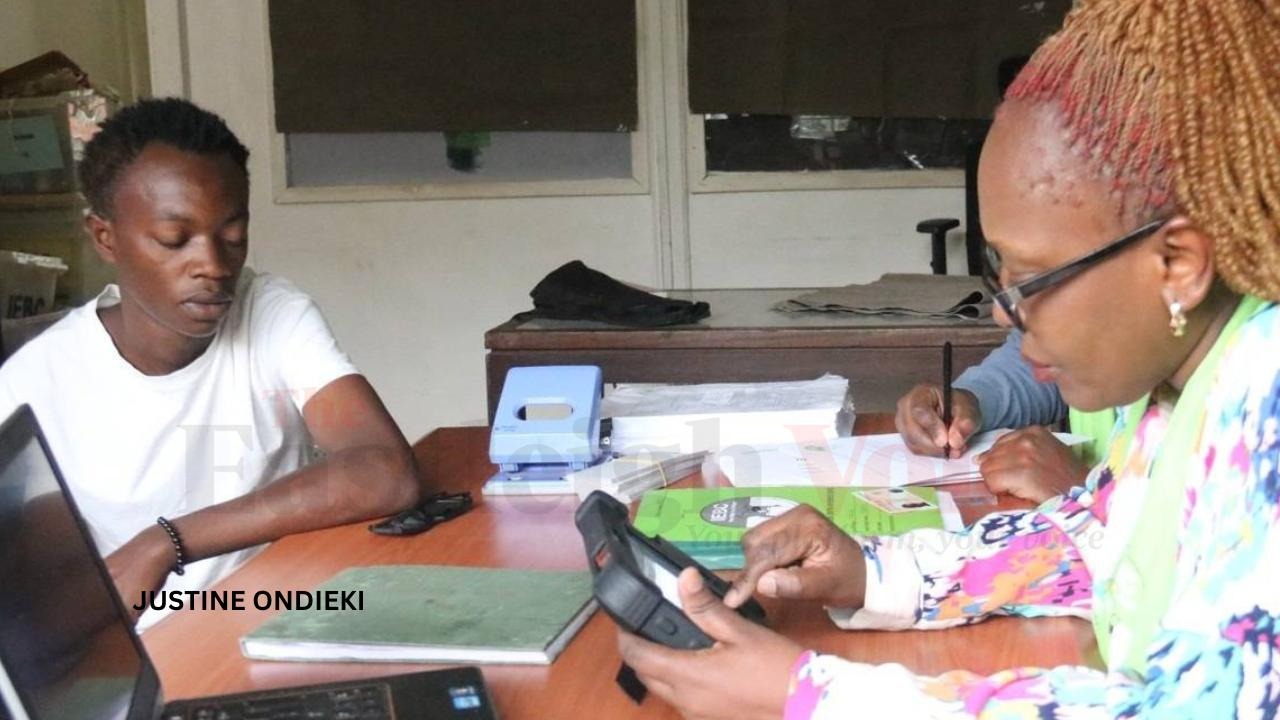
Kenya National Commission on Human Rights' annual state of human rights report has cast doubt on the state's commitment to refugees' protection and inclusion, despite making efforts towards sustainable asylum management under the Shirika Plan.
Citing the forcible return of four Turkish asylum seekers to Ankara, the report, released on Tuesday, December 9, says the Commission is concerned about Kenya's commitment to international human rights standards, particularly the non-refoulement principle.
More To Read
- Women secure majority of contracts in inclusive government procurement programme
- High Court nullifies Ruto’s special team on victims’ compensation, affirms KNCHR mandate
- National Land Commission directs State to conclude Ogiek resettlement
- Senate demands swift compliance with disability access in public offices
- Stakeholders warn of increased FGM cases in Wajir during long school holiday
- Refugee group raises alarm over lending traps facing displaced families
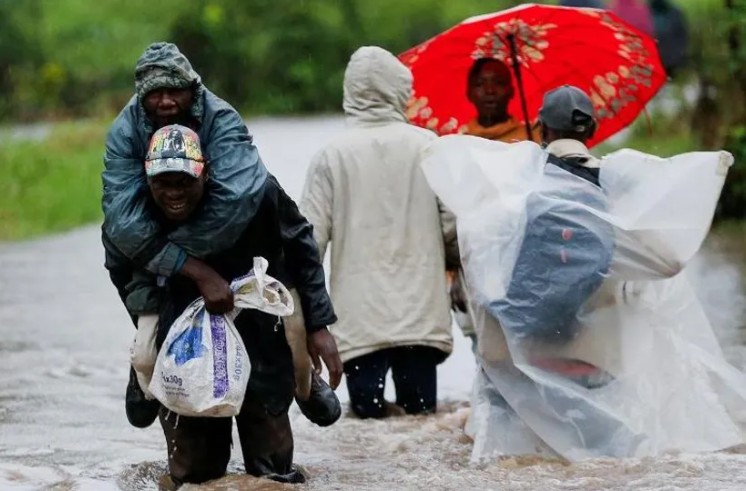
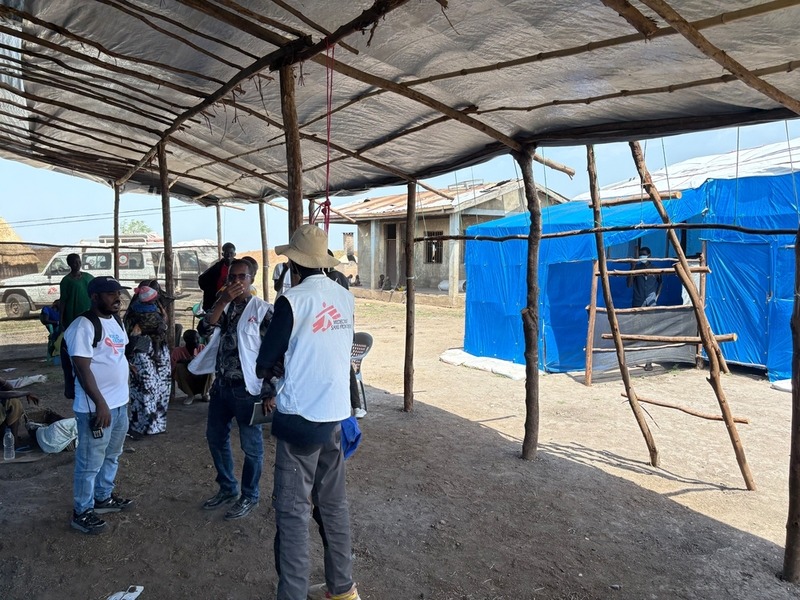
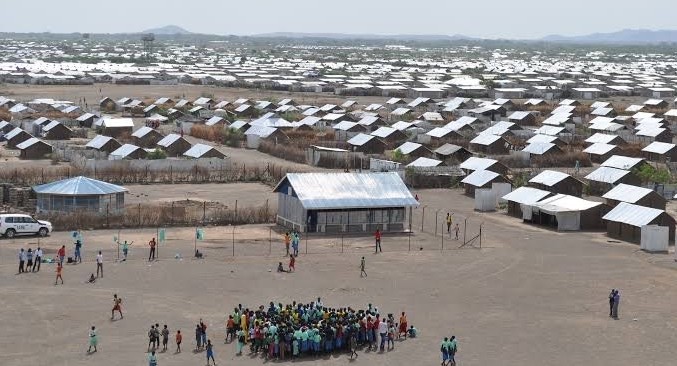
It adds that in March 2025, several refugees in Kakuma refugee camp were injured following a clash with the police during a demonstration over food shortage, water scarcity, and insecurity, leading to an imposition of curfew in the camp, an action that the Commission challenged in court.
Consequently, the Commission has called on the Government to strengthen refugee access to labour rights and economic opportunities, ensuring that refugees can work legally, engage in income-generating activities, and access social services, thereby supporting self-reliance and integration.
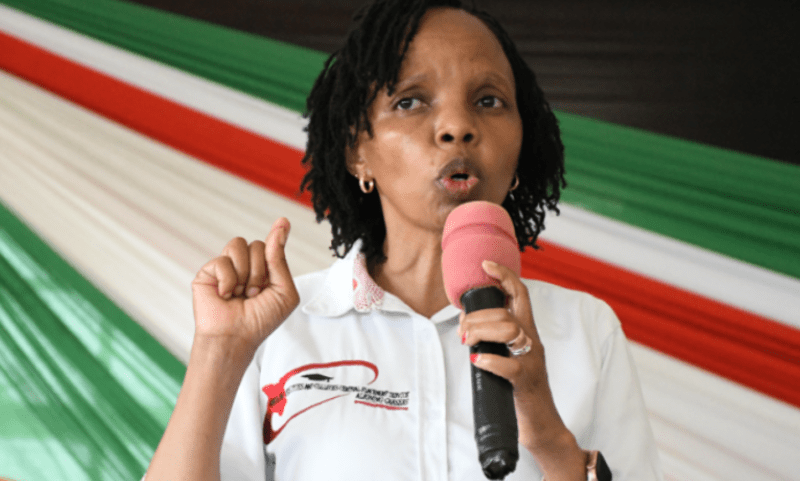
"The government needs to strengthen refugee access to labour rights and economic opportunities so that refugees can work legally, engage in income-generating activities and access social services, supporting self-reliance and integration while upholding national labour standards," said the Commission's Chairperson Claris Ogangah.
During the period under review, the report says the rights of Indigenous Peoples in Kenya remained a significant concern, despite critical milestones having been achieved, such as the surrender of 2,850 acres, the land where they have lived for over 35 years, to the Ilchamus community by the National Land Commission (NLC) through a Gazette notice.
"Such actions violate constitutional protections against arbitrary evictions and deepen the vulnerability of Indigenous communities already facing marginalisation. Further, the African Court on Human and Peoples' Rights found that Kenya has not complied with key orders in the Ogiek case, including unpaid reparations and continued delays in securing Ogiek ancestral lands in the Mau Forest," says the report.
The Commission called on the state to fully comply with all outstanding orders of the African Court in the Ogiek case, including securing Ogiek ancestral lands, issuing reparations, and implementing all protective and restitution measures without further delay.
It also urged the state to enhance legal and policy protections for Indigenous Peoples, guaranteeing their participation in decision-making on land, environment, and natural resource governance, and ensuring that any conservation or development initiatives respect their rights and livelihoods; as the NLC, Ministry of Lands, and relevant state agencies expedite the implementation of the Ilchamus land decision.
Regarding the rights of children, the Commission noted with concern the security attacks against children involving students of Butere Girls' High School and their play, Echoes of War, during the 2025 Kenya National Drama Festivals.
"Despite a High Court order permitting the students to perform the play, law enforcement officers dispersed the audience using tear gas and live ammunition, effectively preventing the performance of the play and limiting access for the public and media. Notably, the play addressed and highlighted themes on governance, national values, and the enduring effects of conflict," the Commission said.
The Commission received 14 cases, comprising 11 incidents of female genital mutilation (FGM) involving girls and one case of femicide where a girl was killed for refusing forced marriage, one infanticide case involving the killing of twins, and two cases of intimate partner violence from Narok County.
It warned that gaps in enforcement, cross-border evasion of anti-FGM laws, and insufficient psychosocial and legal support for victims limit the effectiveness of prevention and intervention measures.
At the same time, the Commission applauded the state for the legal and policy milestones achieved for Persons with Disabilities (PWDs), but noted they still face many challenges due to low implementation of laws and policies.
"Most employers are far from meeting the five per cent threshold on appointments. The Commission is also concerned with the slow pace of promoting Integrated education in schools," the report says.
Other Topics To Read
- Headlines
- National
- Kakuma refugee camp
- Ogiek community
- Female Genital Mutilation
- Kenya National Commission on Human Rights
- persons with disabilities
- Butere Girls High School
- police conduct
- refugee protection
- non-refoulement
- Indigenous land rights
- KNCHR report casts doubt on Kenya’s commitment to refugee protection
- News
Top Stories Today