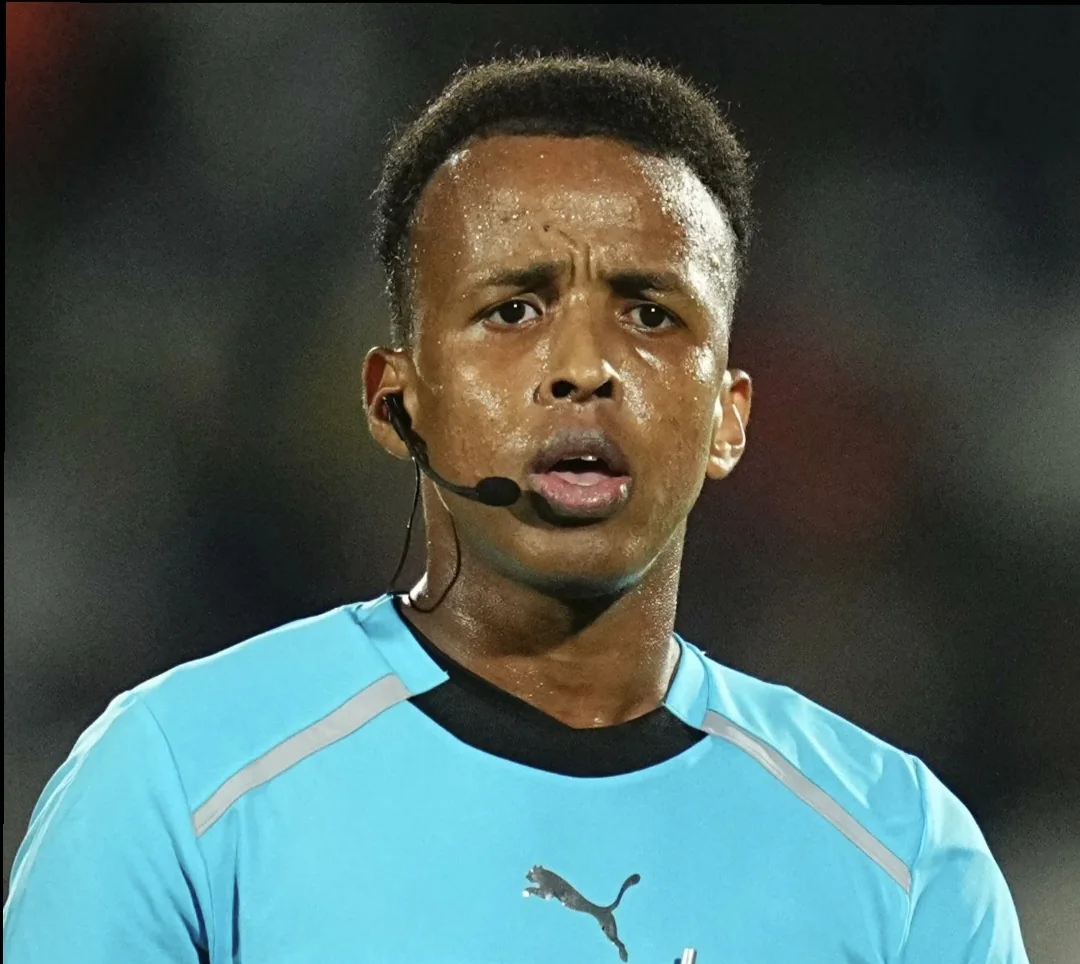
Somali international referee Omar Abdulkadir Artan has spoken publicly for the first time since being denied entry into the United States, saying the decision ended what he described as a lifelong dream and denied Somalia an opportunity to make history at the 2026 FIFA World Cup.
In an interview with The New York Times, Artan said his participation in the tournament would have represented more than a personal achievement, explaining that it would have been a moment of national pride for Somalia on one of football's biggest stages.
"I had the right papers and everything required for me to enter the United States," Artan said in his first interview since being turned back at Miami International Airport in Florida.
The referee had been selected to take part in the tournament and was on course to become the first Somali national to officiate at a FIFA World Cup. His appointment was expected to mark a milestone for Somalia, a country that has had limited representation in major international football competitions.
However, his journey came to an unexpected halt when US immigration authorities denied him entry despite the documents he carried for the event. The decision prevented him from participating in the tournament and ended years of preparation to reach the highest level of international football officiating.
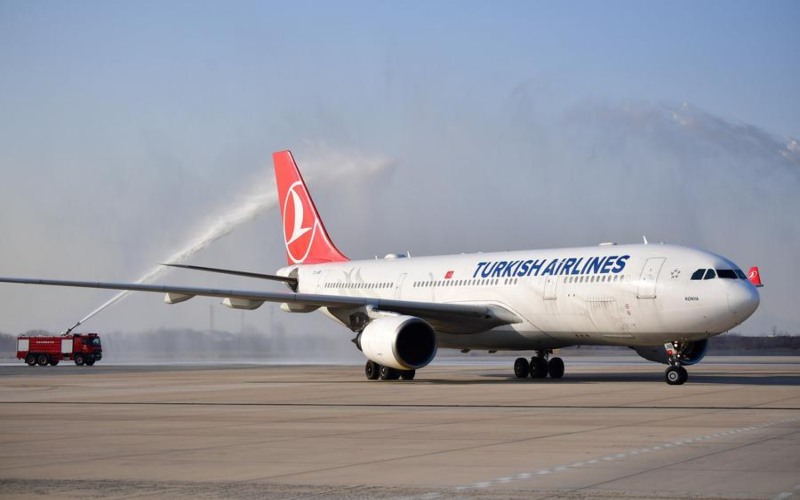
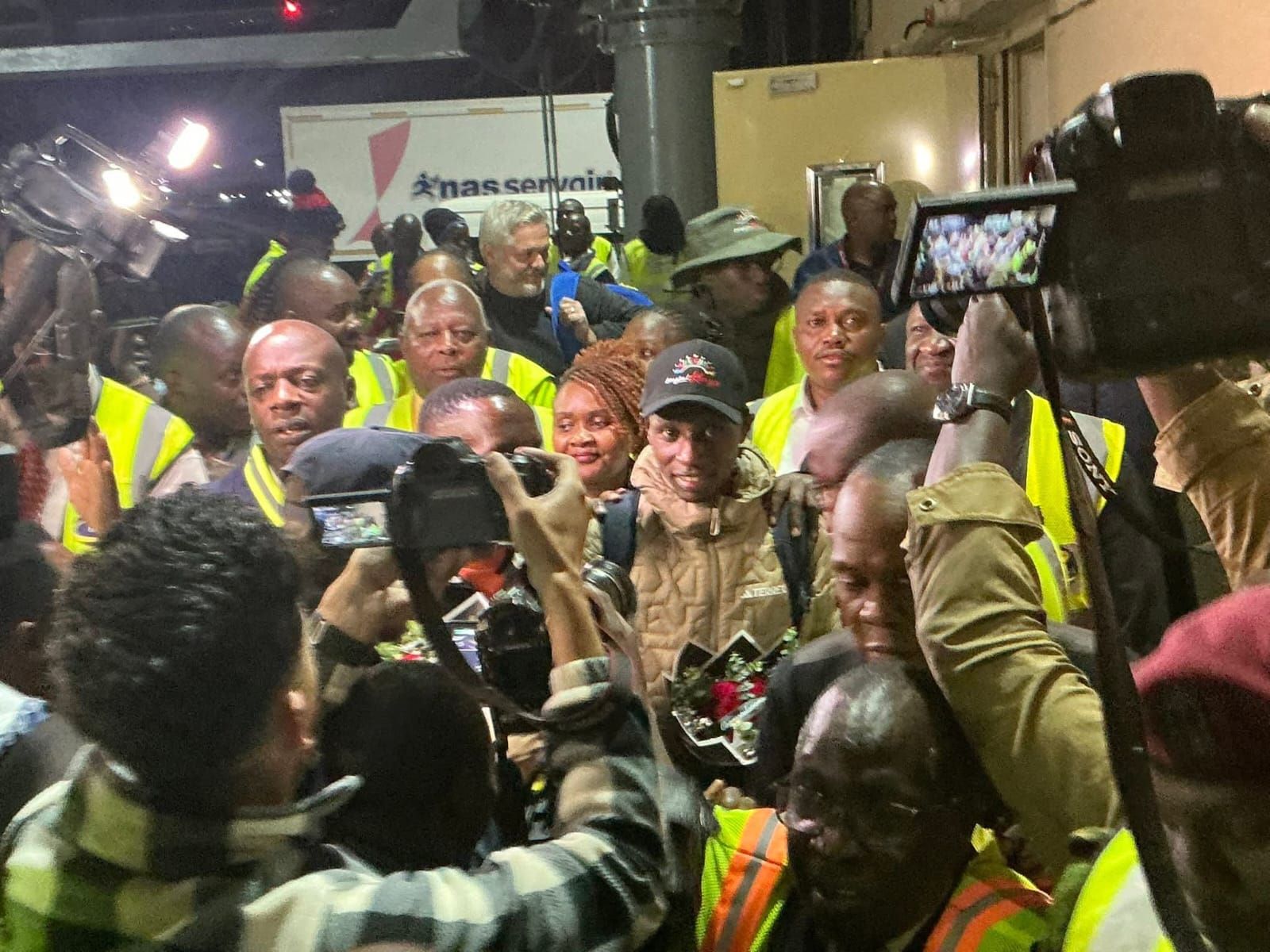
Following the incident, Artan travelled to Turkey, where he is currently staying. He is expected to return to Somalia in the coming days after spending time in Istanbul following his removal from the United States.
Speaking from Istanbul, Artan described the emotional impact of the decision and said he struggled to come to terms with what had happened after arriving in the United States.
"I was very, very disappointed when I was sent back," Artan told the newspaper from Istanbul, where he was flown after being refused admission. "I am simply a referee trying to live his dream - to come to the World Cup."
According to Artan, he provided US border officials with all the documentation requested during the inspection process. He said the documents included FIFA-issued credentials, accreditation papers connected to the tournament, and records showing more than a decade of experience as an international referee.
Artan also said immigration officers reviewed information about his professional background online while assessing his case. Despite presenting the documents and information requested, he said he was ultimately denied entry and informed that he would not be allowed to continue into the country.
The decision has attracted attention within football circles and among Somalis who had viewed Artan's appointment as a moment of recognition for the country's growing presence in international sports. His selection had been seen as the culmination of years of dedication to refereeing and a chance for Somalia to be represented at the World Cup through one of its officials.
Artan has built his career over more than 10 years as an international referee, earning appointments to regional and international competitions. His inclusion in the World Cup officiating team was expected to place him among referees selected from across the world for the tournament.
While Artan has not indicated what steps he may take following the denial, he made clear that the outcome was difficult to accept after years of work dedicated to reaching the global event.
His comments mark the first time he has publicly addressed the incident since being denied entry into the United States. As he prepares to return home, the referee says he remains focused on the dream that brought him to the tournament, even though his opportunity to officiate at this year's World Cup has come to an end.
For Somalia, the setback also represents the loss of a chance to witness one of its citizens become the country's first representative among officials at football's biggest tournament.



















Comments
Sign in with Google to comment, reply, and like comments.
Continue with Google