Tanzania streets deserted as police and soldiers quash Independence Day protests
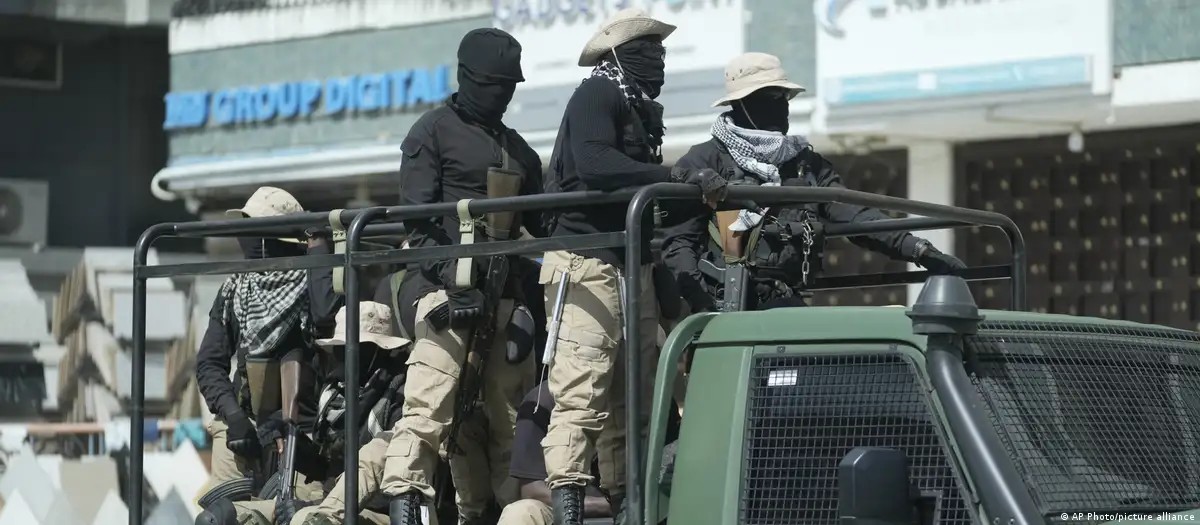
Tanzania’s Independence Day saw Dar es Salaam streets largely empty as police and soldiers blocked planned anti-government protests after disputed October elections and a deadly post-poll crackdown.
The streets of Tanzania’s largest city, Dar es Salaam, were largely deserted on Tuesday after police and soldiers were deployed to prevent anti-government protests on the country’s Independence Day.
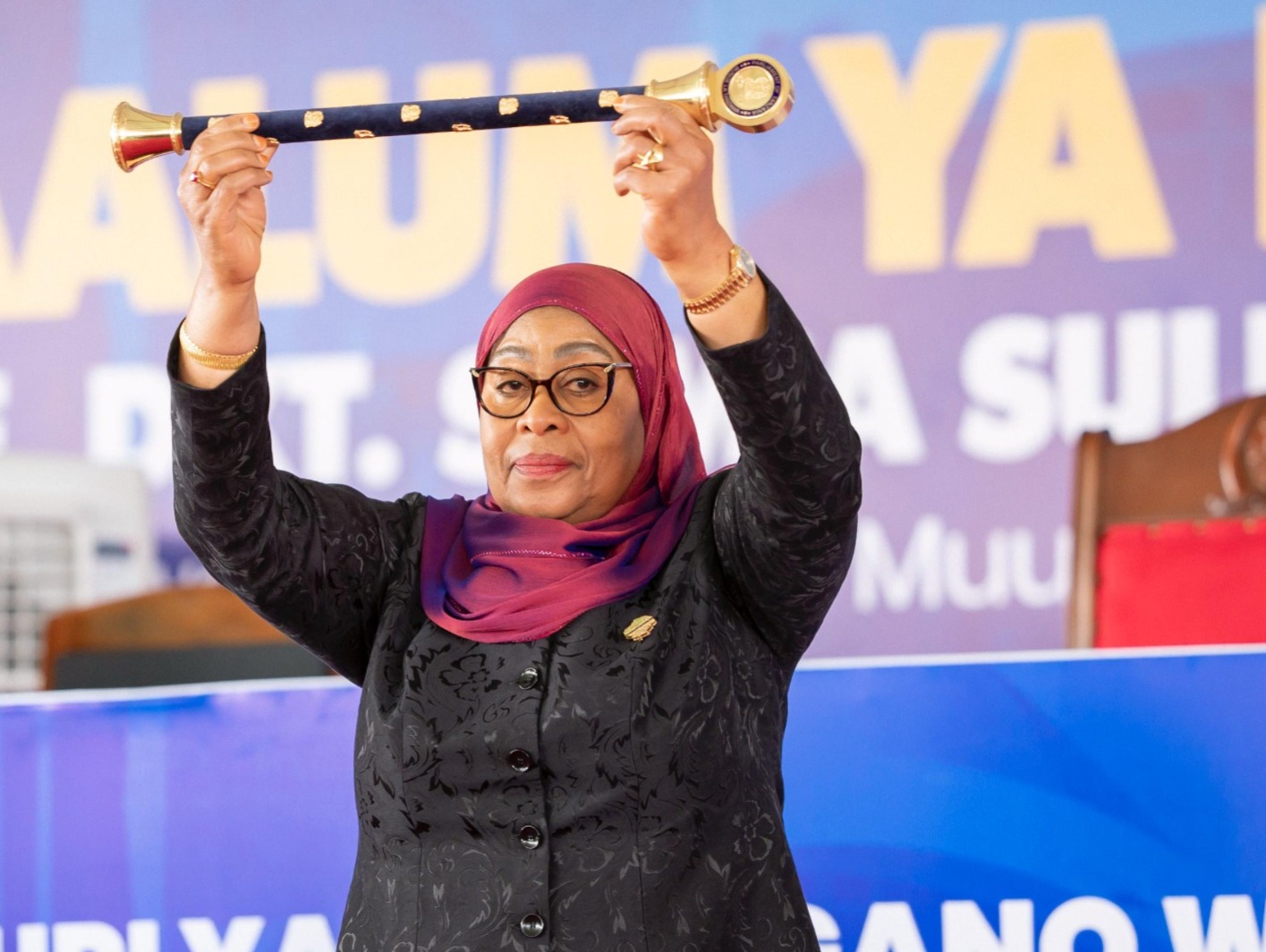
Presidential and parliamentary elections on October 29 triggered the worst political violence in Tanzania’s post-independence history after President Samia Suluhu Hassan was re-elected in a vote in which leading opposition candidates were barred from running.
More To Read
- Police arrest activists protesting at Tanzanian High Commission in Nairobi
- Security beefed up in major Tanzania cities amid Independence Day protest fears
- HRW urges Tanzania to release detained opposition ahead of independence day
- High Commission issues advisory to Kenyans in Tanzania amid December 9 protest fears
- Sweden to phase out bilateral cooperation with Tanzania by August 2026
- Tanzania faces mounting global pressure after bloody October election
Samia’s government was accused of rigging the polls and overseeing a campaign of murders and abductions that sparked nationwide riots.
United Nations human rights experts estimated last week that at least 700 people were extrajudicially killed in the violence, while Tanzanian opposition figures have spoken of over 1,000 victims of an alleged "shoot-to-kill" policy.
Since then, authorities have continued to stifle dissent, arresting hundreds of people and charging them with treason — which carries the death penalty — and banning the usual Independence Day celebrations on Tuesday after they were earmarked for protest.
Prime Minister Mwigulu Nchemba urged citizens to remain at home and "use the day for rest."
On the streets of Dar es Salaam, Tanzania’s economic capital, police carried out ID checks while shops in the city centre were closed.
A reporter for the French AFP news agency said he was stopped and searched seven times in just over 30 minutes while walking through the city.
A local bus conductor told the Reuters news agency that his company was not operating its usual "essential service" because "we cannot risk going out" for fear of violence.
Police spokesperson David Misime said the security situation across Tanzania was calm and that footage on social media purporting to show demonstrations on Tuesday was actually from earlier protests.
"We continue urging Tanzanians to disregard such images because they are intended to trick them into thinking there are protests happening," he said.
Tanzania gained independence from the United Kingdom in 1961. Before that, from 1885 to 1919, the region had been conquered by the German Empire and incorporated into German East Africa.
Other Topics To Read
Top Stories Today