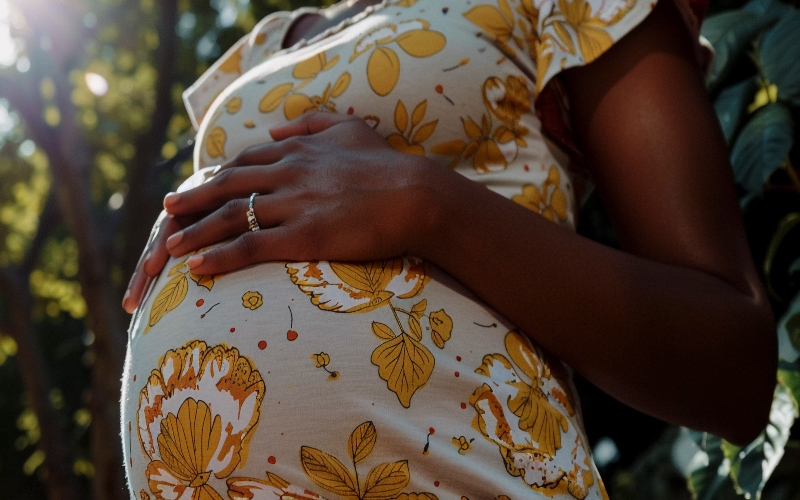
WHO warns tobacco use threatens fertility in men, women

The WHO recommends that healthcare providers give focused guidance on quitting to anyone planning or attempting pregnancy.
Tobacco use is emerging as a serious factor affecting fertility for both men and women, according to new guidelines released by the World Health Organisation (WHO).
The global health body is calling on governments to make tobacco control a key part of reproductive health policies, citing the strong evidence connecting smoking with reduced chances of conceiving.
More To Read
- Malaria: Drug resistance and underfunding threaten progress towards eliminating killer disease
- Sudan’s crisis deepens with communities trapped in ‘siege conditions’
- Adult obesity treatment enters new era with WHO-endorsed GLP-1 drugs
- Flu shots: how scientists around the world cooperate to choose the strains to vaccinate against each year
- Study flags stark inequities in global epilepsy care, medication
- WHO warns of measles resurgence as vaccine gaps widen
Infertility affects roughly one in six people of reproductive age worldwide, and treatment remains expensive and often out of reach, leaving many families struggling to access care.
Dr Tedros Ghebreyesus, WHO director-general, said, “Infertility is one of the most overlooked public health challenges of our time and a major equity issue globally. Millions face this journey alone, priced out of care, pushed towards cheaper but unproven treatments or forced to choose between their hopes of having children and their financial security.”
The WHO report highlights tobacco as one of the most consistent contributors to infertility. Research over decades shows that smoking disrupts normal reproductive processes in women.
“The review suggested that cigarette smoking impairs, alters, adversely affects or interferes with normal reproductive functions,” the guidelines state.
Studies also show female smokers are almost twice as likely to face infertility as those who do not smoke.
In men, smoking is linked to declines in semen quality, including lower sperm count, reduced motility, and abnormal morphology, even among young or otherwise healthy men.
The 2016 review cited by WHO used the 2010 WHO laboratory standards to assess semen quality, noting that moderate to heavy smokers are at higher risk.
The report also notes that while some declines are statistically significant, it is not always clear how much they affect actual fertility.
Because smoking is a preventable factor, the WHO recommends that healthcare providers give focused guidance on quitting to anyone planning or attempting pregnancy.
This approach aims to improve reproductive outcomes while protecting broader health.
Top Stories Today