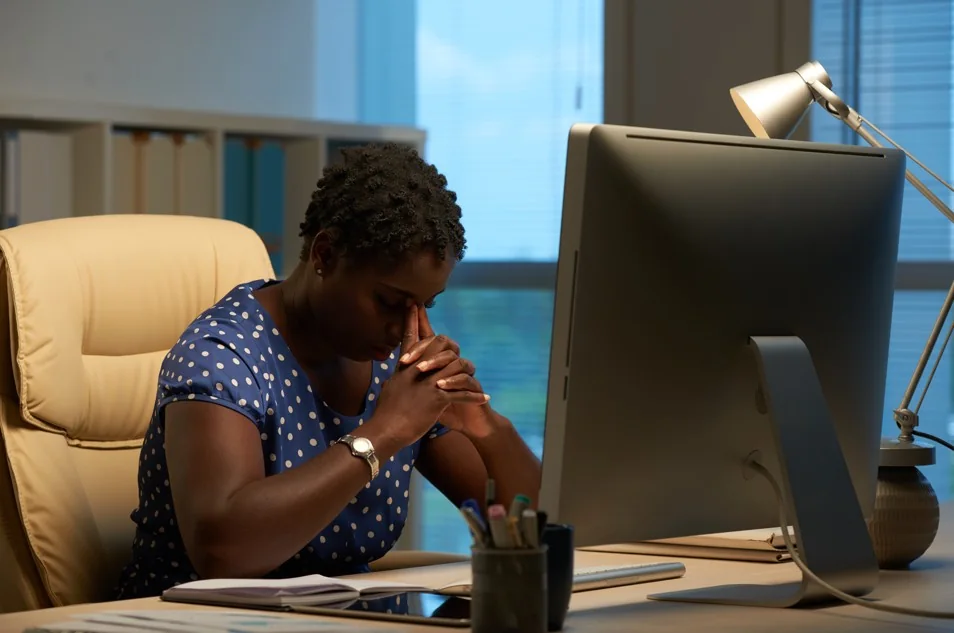
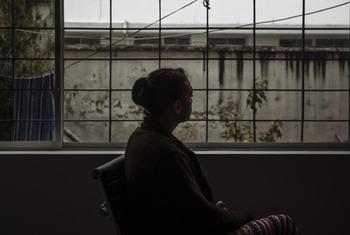
Women in politics across Africa are increasingly being targeted with deepfakes, sexualised disinformation and coordinated online harassment, forcing some of them to withdraw from public platforms and limit their participation in public debate, a 2025 report by the Westminster Foundation for Democracy shows.
According to the report, violence against women in politics is not isolated but a growing systemic problem that undermines democratic institutions. The Foundation defines the abuse as physical, psychological, sexual, economic and digital harm aimed at discouraging women from entering politics or punishing them for doing so.
“These incidents are not a rarity or the actions of a few bad actors; they reveal how political systems resist women’s influence, particularly when they gain real power,” reads the report.
It also notes that political parties play a central role as gatekeepers of political participation, controlling nominations and resources, but often fail to protect women from abuse within their ranks.
The report highlights that many women avoid reporting abuse due to fear of retaliation or lack of trust in party systems. Even when complaints are made, action is rare, particularly when powerful political figures are involved.
Westminster Foundation warns that this culture of silence allows abuse to continue unchecked, pushing more women out of political life and weakening democratic participation.
Principal adviser for Democracy and Inclusion at International IDEA, Kandawasvika-Nhundu, said technology has intensified existing social biases.
“Technology has accelerated the speed, scale, and reach of abuse, but it reflects attitudes that already exist in society,” she said, adding that the impact is forcing women out of politics.
“Now we have online violence against women, and it is forcing them to self-censor, step aside from leadership, or abandon politics entirely. This is reversing the gains we have made. It is eroding democratic legitimacy,” she said.
A study by the Inter-Parliamentary Union and African Parliamentary Union found that 80 per cent of women legislators in Africa have faced psychological violence linked to online attacks, while 42 per cent have received threats of death, rape or abduction through digital platforms.
The report also notes that women’s representation in parliaments has increased only slightly, reaching 27.2 per cent, while participation in government has declined.
Kenya Women Parliamentary Association chairperson Leah Sankaire said the consequences of online abuse go beyond politics.
“For women leaders, the cost is both personal and political. It undermines confidence, limits participation, and erodes public trust in democracy itself,” she said.
She added that stronger cooperation is needed across institutions.
“Political parties, social media platforms, government agencies, and citizens all share a duty to make Kenya’s political space safe for women’s leadership,” she said.
The Foundation emphasised that current systems are often weak, underfunded and not trusted, leading many women to withdraw from politics quietly rather than report abuse.
The report called on political parties to take action, noting that without credible mechanisms, most cases remain unresolved or go unreported.
It also urged parties to establish safe and confidential complaints systems with clear procedures, survivor protection, and disciplinary action for offenders.
“Establish independent, trusted internal complaints mechanisms with clear definitions, confidential processes and accountability measures. Adopt and publicly commit to a zero-tolerance stance on VAWP, including through codes of conduct and internal policies,” reads the report.
Bodies such as the Independent Electoral and Boundaries Commission (IEBC) and the Office of the Registrar of Political Parties (ORPP) have also been urged to link party registration and funding to compliance with standards on preventing violence against women in politics.
It also called on Parliament to consider laws requiring parties to maintain complaint systems and publish data on how cases are handled.
Other stakeholders, including oversight bodies and donors, have been encouraged to support reforms and strengthen accountability systems within parties.
Civil society organisations were also called on to document cases, support survivors and develop monitoring tools to track progress.





































Comments
Sign in with Google to comment, reply, and like comments.
Continue with Google