Kenya’s civic space has dropped to the “repressed” category after a sharp fall in its global rating over the past two years, with rights organisations pointing to rising cases of arbitrary arrests, enforced disappearances, torture and restrictions on freedom of expression and peaceful assembly.
The latest People Power Under Attack report by CIVICUS Monitor shows that Kenya’s civic space score dropped from 50 in 2023 to 37 in 2024, then fell further to 31 in 2025. The 19-point decline has moved the country from the “obstructed” to the “repressed” category.
The CIVICUS five-point scale rates countries from 0 to 100 and classifies civic space as closed (1–20), repressed (21–40), obstructed (41–60), narrowed (61–80) and open (81–100), with higher scores showing a more open civic environment. Kenya’s latest rating places it among more than 80 countries classified as having repressed civic space.
The findings mirror concerns raised by the Human Rights Measurement Initiative (HRMI), whose latest data gives Kenya a Safety from the State score of 2.6 out of 10. The score suggests that many people in the country are not protected from arbitrary arrest, torture and ill-treatment, enforced disappearance or extrajudicial killing.
According to HRMI, torture and ill-treatment recorded the lowest score at 1.7 out of 10, followed by extrajudicial killings at 2.1, arbitrary arrests at 2.6 and enforced disappearances at 3.0.
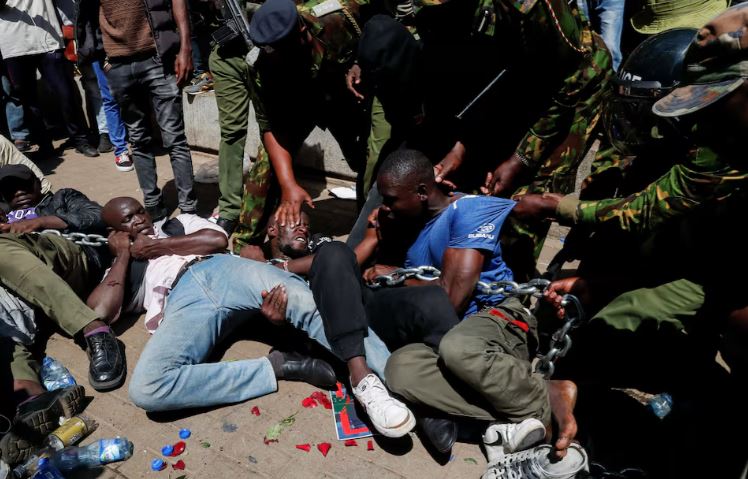
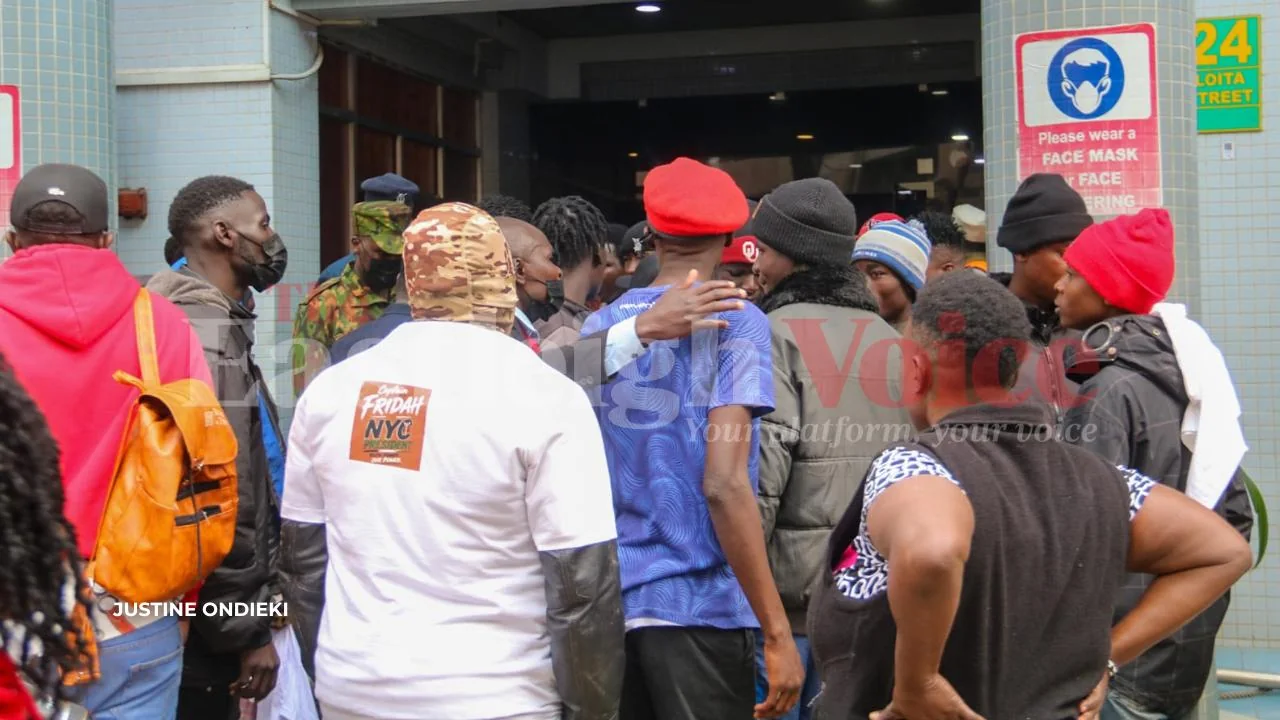
The growing concerns are reflected in the experiences of protesters arrested during the June 25 demonstrations.
Among them was Davis Lichuma, who was among more than a dozen people who were forcibly taken during the demonstrations. After they were released, many shared similar accounts, saying they had been seized, forced into unmarked vehicles, driven to unknown locations and tortured. Several suffered physical injuries from the beatings they said they endured.
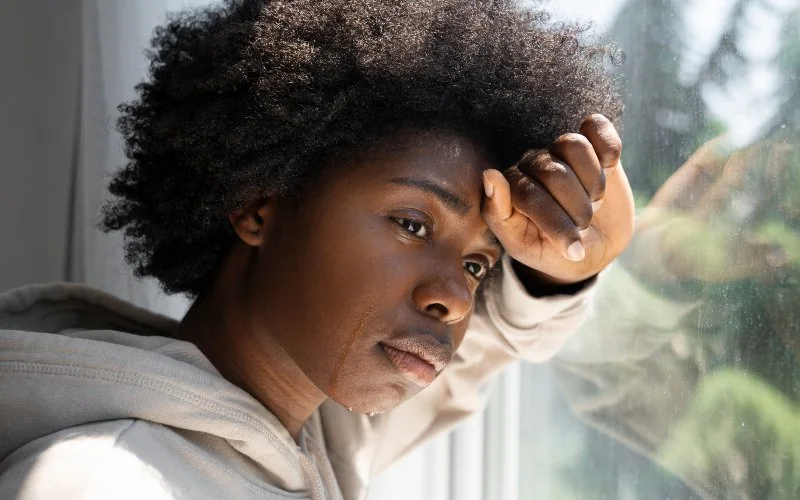
For Lichuma, the emotional impact has been severe. Since his release on June 28, he has reportedly been unable to speak.
The Kenya National Commission on Human Rights (KNCHR) said six protesters, including Boniface Mulinge Muteti, Elisha Ochieng Alam, Collins Otieno, Fredrick Ojiro, Christine Alubengo and Michael Ngige, were arrested outside Parliament while joining families marking the second anniversary of relatives killed during the June 2024 protests.
According to the commission, the six were never taken to a police station and were not charged with any offence. They were released on June 27 after being held in an unknown location.
KNCHR said the protesters were heavily traumatised after their release and recounted being tortured while being held under inhumane and degrading conditions.
The commission further stated that three other people, Macmillan Kiarie, Michael Oloo and Abdilaziz Duba, were allegedly picked up by security agencies and remain missing.
“Enforced disappearance constitutes one of the most serious violations of human rights, infringing upon multiple fundamental rights and freedoms. It is unequivocally prohibited under the Constitution of Kenya, as well as under international human rights and humanitarian law, and may amount to a crime under international law,” the Commission said.
Rights groups add that concerns over the protection of fundamental freedoms have continued since the June 2024 protests against the Finance Bill 2024, with reports of violations emerging during nearly every major demonstration.
HRMI data rates Kenya’s protection of the right to peaceful assembly and association at 3.9 out of 10, while the right to opinion and expression scores 4.1 out of 10. Both ratings fall within the organisation’s “bad” category.
The organisation measures government respect for human rights on a scale of 0 to 10, with scores of 0–3.5 classified as very bad, 3.5–6 as bad, 6–8 as fair and 8–10 as good.
According to KNCHR, some of the rights violated by security agencies include the right not to be subjected to torture, freedom from arbitrary arrest and detention, freedom of association and freedom of expression.
The commission also states that the right to movement has been affected, as many people have been unable to travel freely during protests because of police barricades or fear of arrest. It says this has denied many access to essential services and economic opportunities.
KNCHR data further shows that more than 100 people died in protest-related incidents in 2024 and 2025, with many reportedly shot by security officers.
More than 60 people were killed during the June, July and August 2024 protests. Another 19 died during the June 2025 protests, while a further 38 people lost their lives during the Saba Saba protests.
Hundreds of other people have been injured, with some left with life-changing injuries.
The commission’s data also shows that enforced disappearances remain a concern. It recorded 82 cases in 2024 and another 15 in 2025. While some of those reported missing have since been released, the whereabouts of others remain unknown.
The CIVICUS Monitor report also notes that those targeted were not limited to people taking part in street demonstrations but also included individuals who expressed themselves online.
“Police arrested blogger and teacher Albert Ojwang in June 2025 for a social media post allegedly spreading false information about a senior police official. He died in police custody the following day under suspicious circumstances, with an autopsy later revealing injuries consistent with blunt force trauma, sparking widespread protests,” reads the report.































Comments
Sign in with Google to comment, reply, and like comments.
Continue with Google