Sudan
The proposal also aims to have the United Nations (UN) supervise a phased redeployment of RSF forces, with initial priority given to North Darfur and North Kordofan, where fighting has intensified in recent weeks.
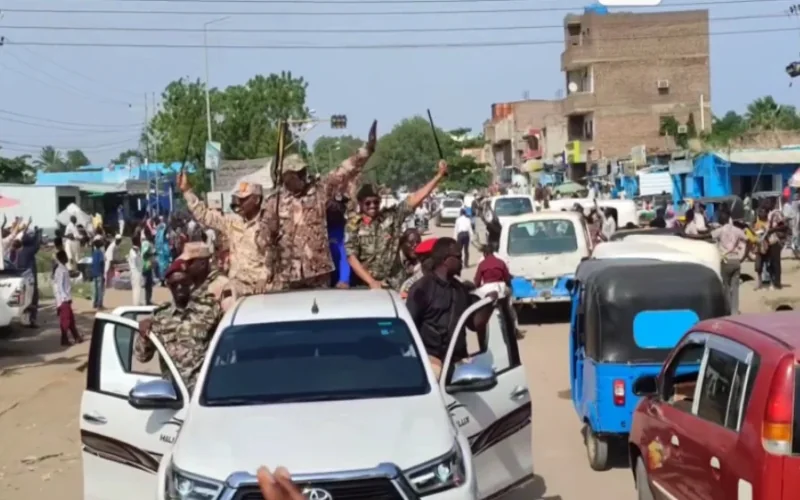
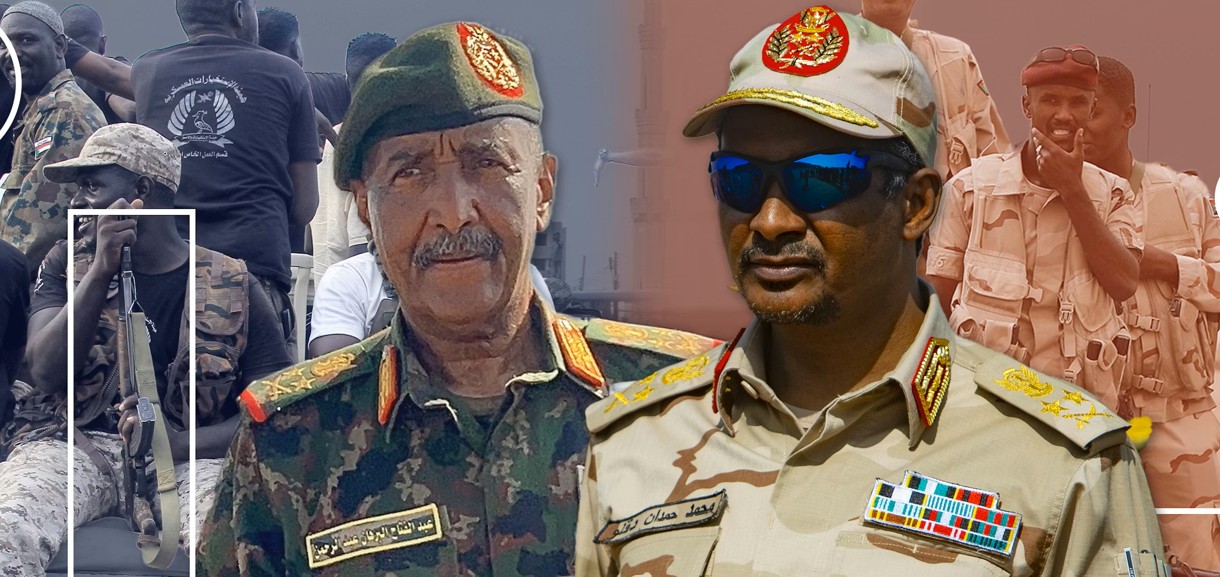
Sudan has been engulfed in war since 2023, when fighting erupted between the formerly allied Sudanese Armed Forces and the Rapid Support Forces.
The latest offensive follows months of intensified military operations in Sudan’s Blue Nile region after the RSF and their allied militia, SPLM-N, captured Kurmuk in March this year, raising concerns over the conflict’s spillover into neighbouring Ethiopia.
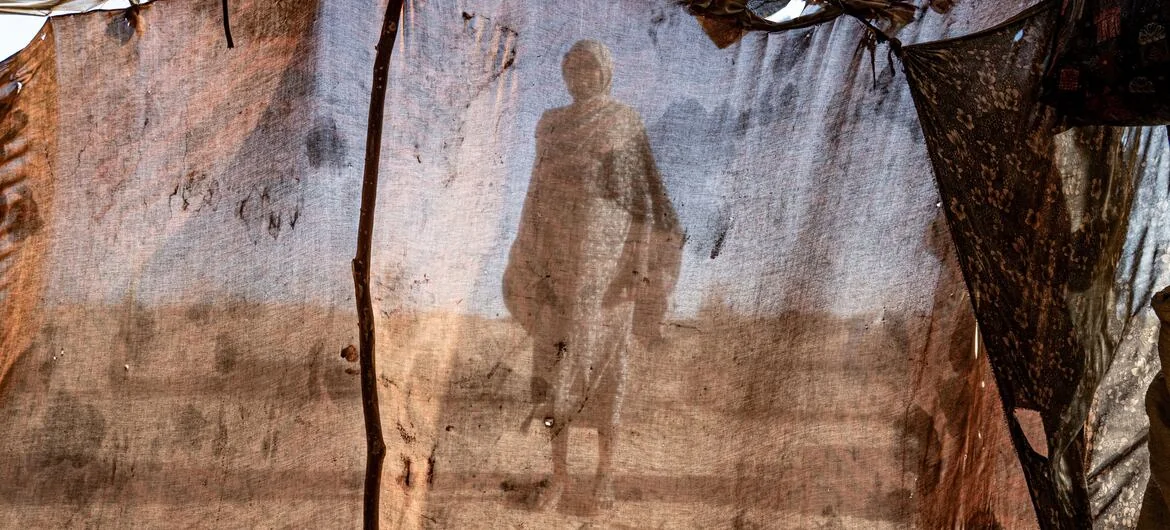
Türk warned of patterns of violence, including attacks on civilians, summary executions, torture, sexual violence and forced displacement, mirroring atrocities previously documented in El Fasher.
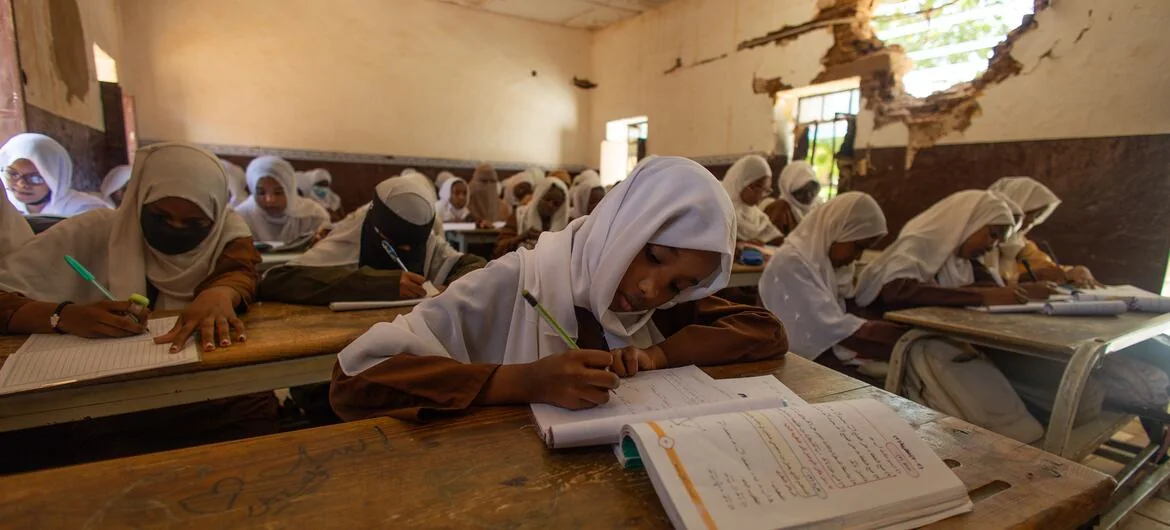
Several Member States are warning that an increasing number of deadly airstrikes have destroyed basic services, causing severe fuel and water shortages.
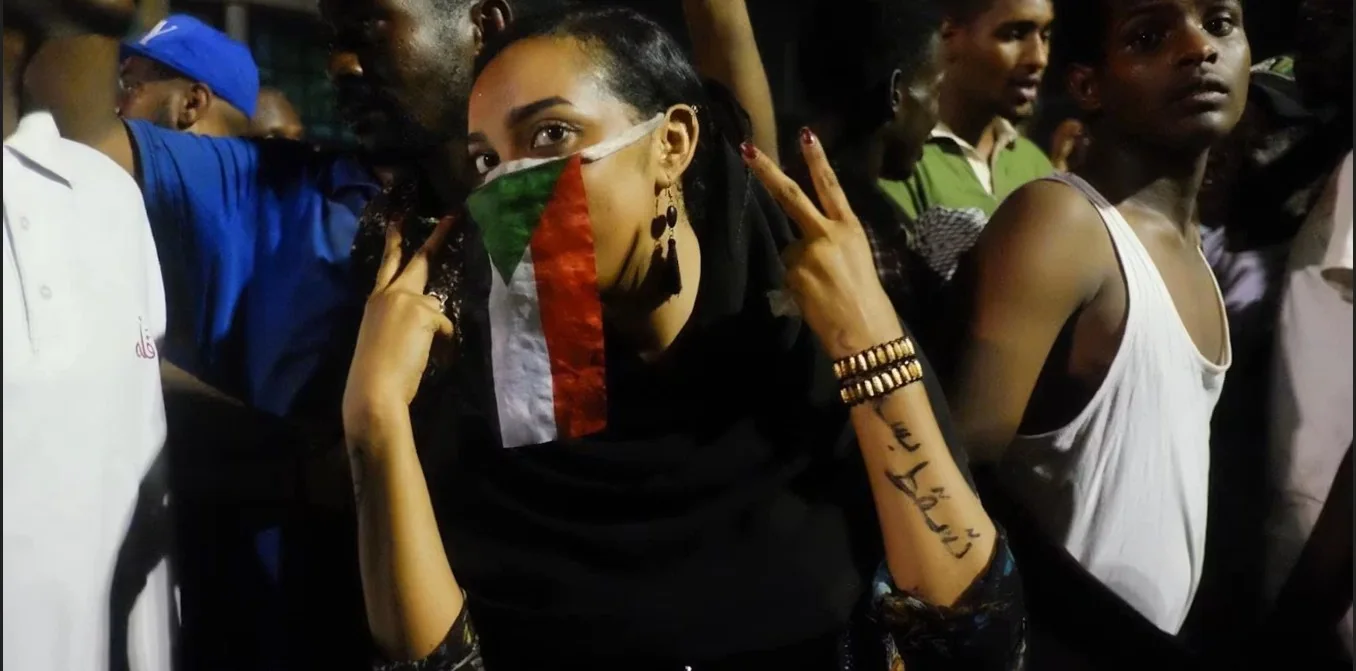
Long before Sudan's civil war, music helped unite protesters, challenge dictatorship and shape the 2019 revolution—offering lessons for rebuilding the country when the fighting ends.
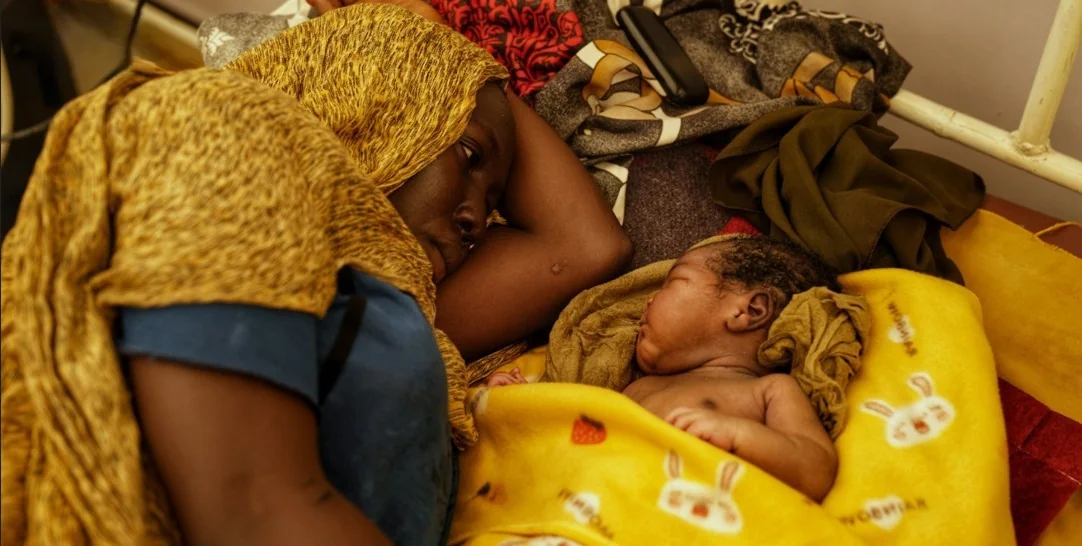
Medical charity MSF says dwindling donor funding has forced humanitarian agencies to scale back operations, leaving thousands of Ethiopian refugees and vulnerable Sudanese families without adequate healthcare, food, clean water and protection.
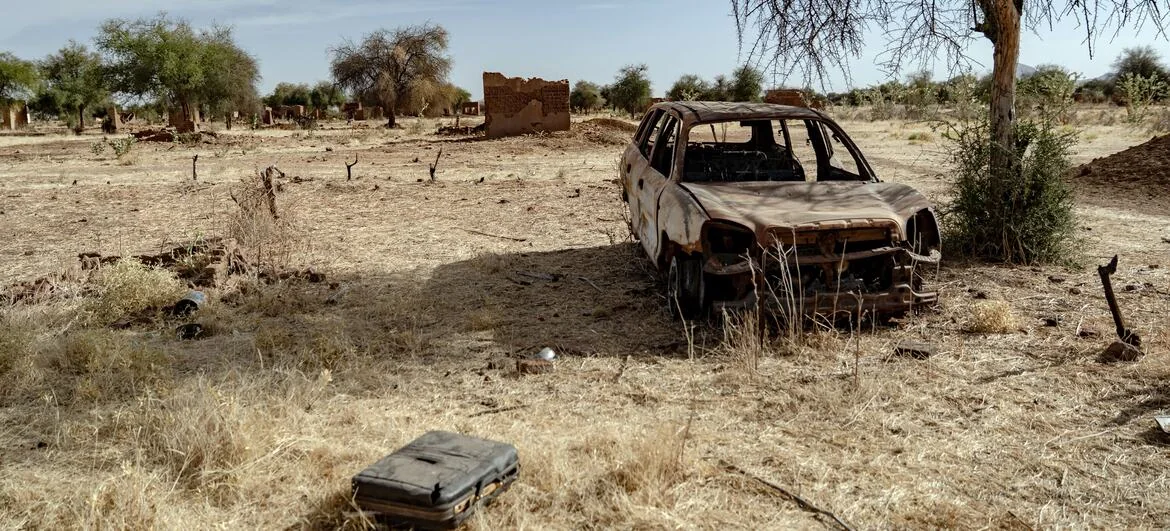
The doctors, including four women, have not been seen or heard from since the RSF seized El Fasher in October 2025, with their fate remaining unknown.
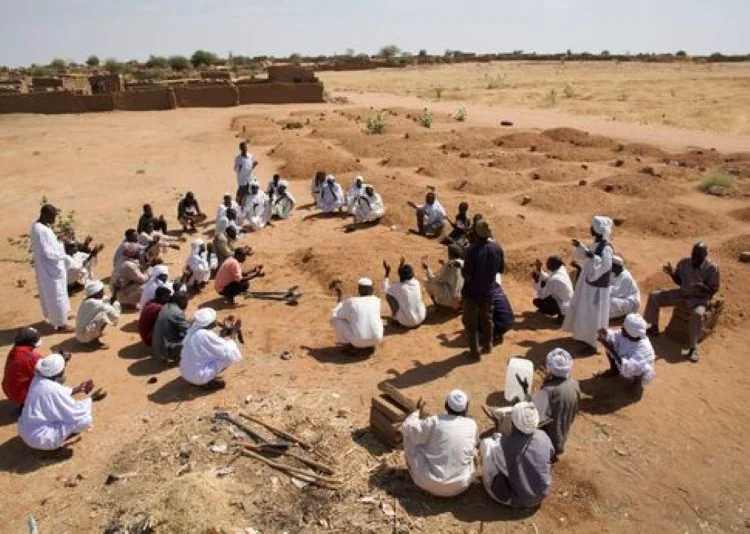
RSF’s crimes included murder, forcible transfer, imprisonment, torture, rape, sexual slavery, other forms of sexual violence, enslavement, extermination and persecution and called for an immediate ceasefire in Sudan, and the urgent deployment of an international force to protect civilians.
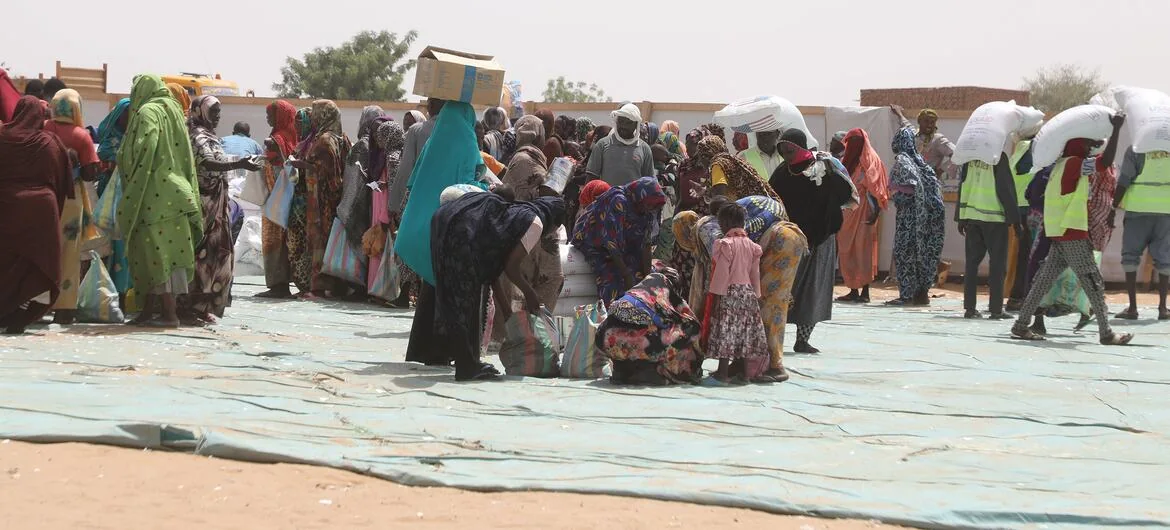
The announcement comes as armed clashes continue near the Chadian border, with some humanitarian partners reporting that they have suspended operations due to the worsening security conditions and communications disruptions.
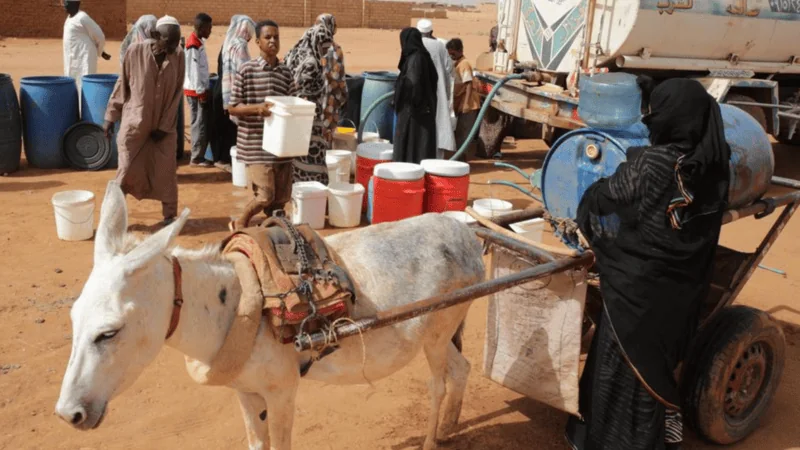
As Sudan's paramilitary Rapid Support Forces mass around the strategic city of el-Obeid, fears are growing of atrocities similar to those seen in Darfur's el-Fasher. Could sanctions still prevent bloodshed?
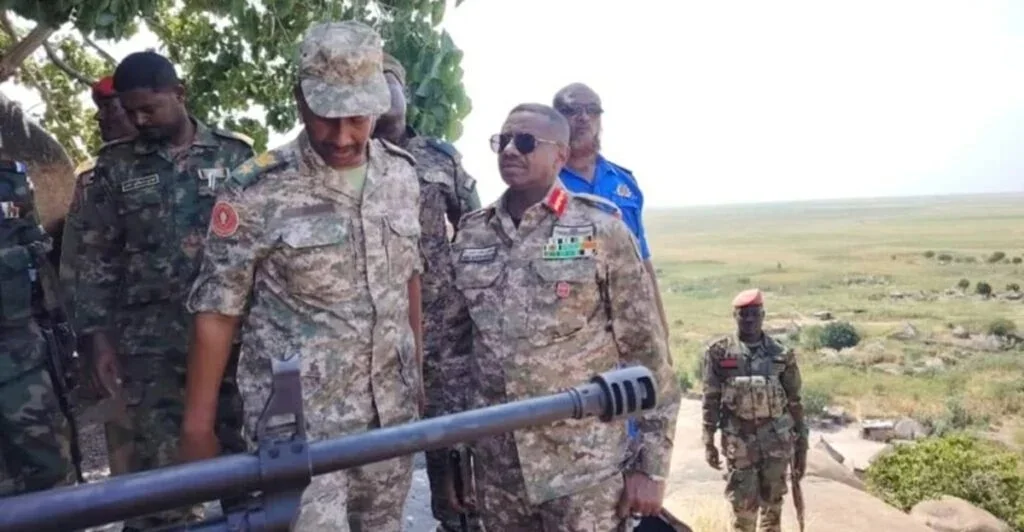
The operation was carried out on Tuesday by the SAF’s 13th Infantry Brigade under the Fourth Infantry Division in Geissan district, targeting areas beyond Abu Dugla and Ashambo, about one kilometre from the Ethiopia-Sudan border.
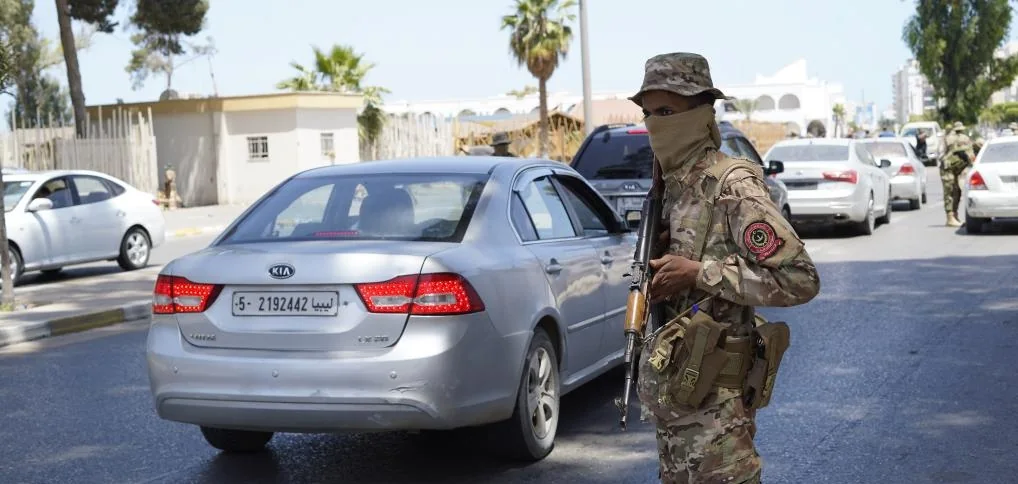
Libya has long functioned as a major transit hub for migrants and refugees attempting to reach Europe across the Mediterranean Sea, with the country’s northern coast serving as a key departure point for smugglers’ boats.
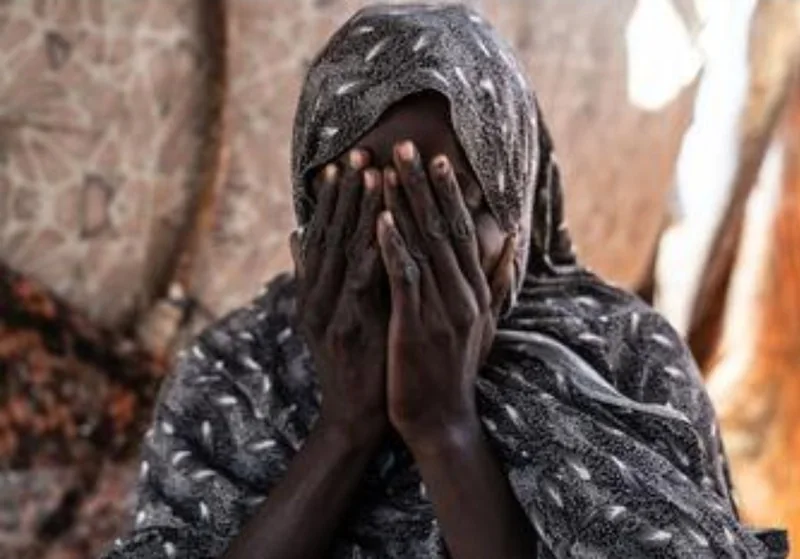
The report finds that sexual violence has spread alongside both the conflict and displacement routes and has been used consistently to terrorise and traumatise civilians.
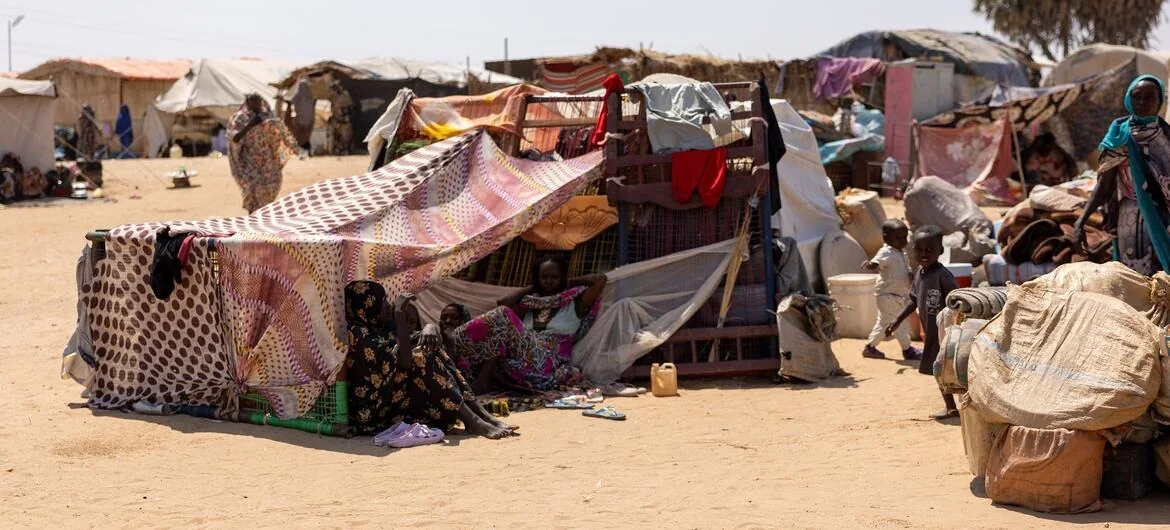
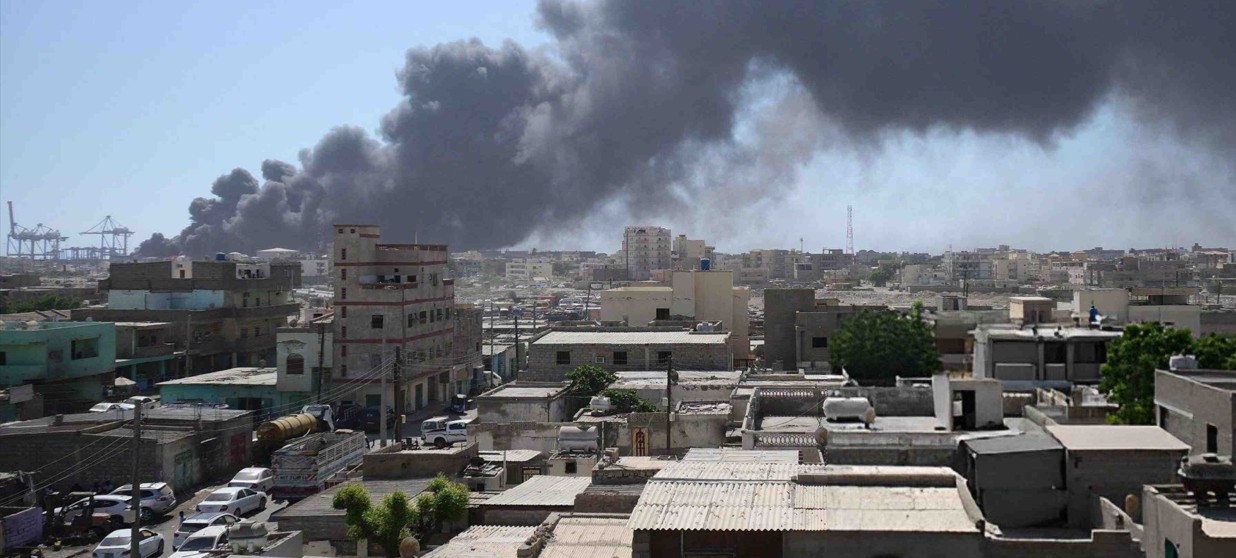
Between Thursday and Sunday, drone attacks reportedly targeted multiple locations, including a power substation and a fuel station, said the UN Office for the Coordination of Humanitarian Affairs (OCHA).

According to a statement by the military, the massive crackdown targeted "criminal hotbeds exploited by organised groups" involved in weapons and drug trafficking, illegal gold prospecting, and undocumented migration.
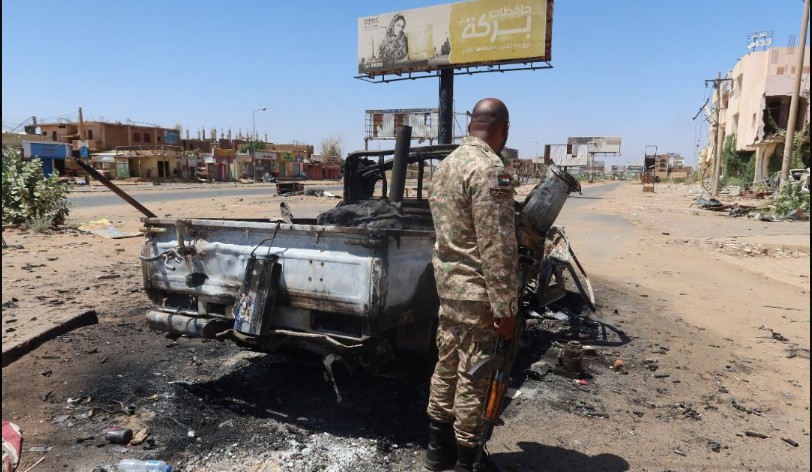
African Union warns that escalating violence in El Obeid risks worsening Sudan’s already severe humanitarian crisis, urging an immediate ceasefire, protection of civilians, and renewed efforts toward a political solution.
The organisation warned that further escalation could deepen suffering among Sudanese civilians and weaken efforts to find a peaceful solution to the ongoing conflict.
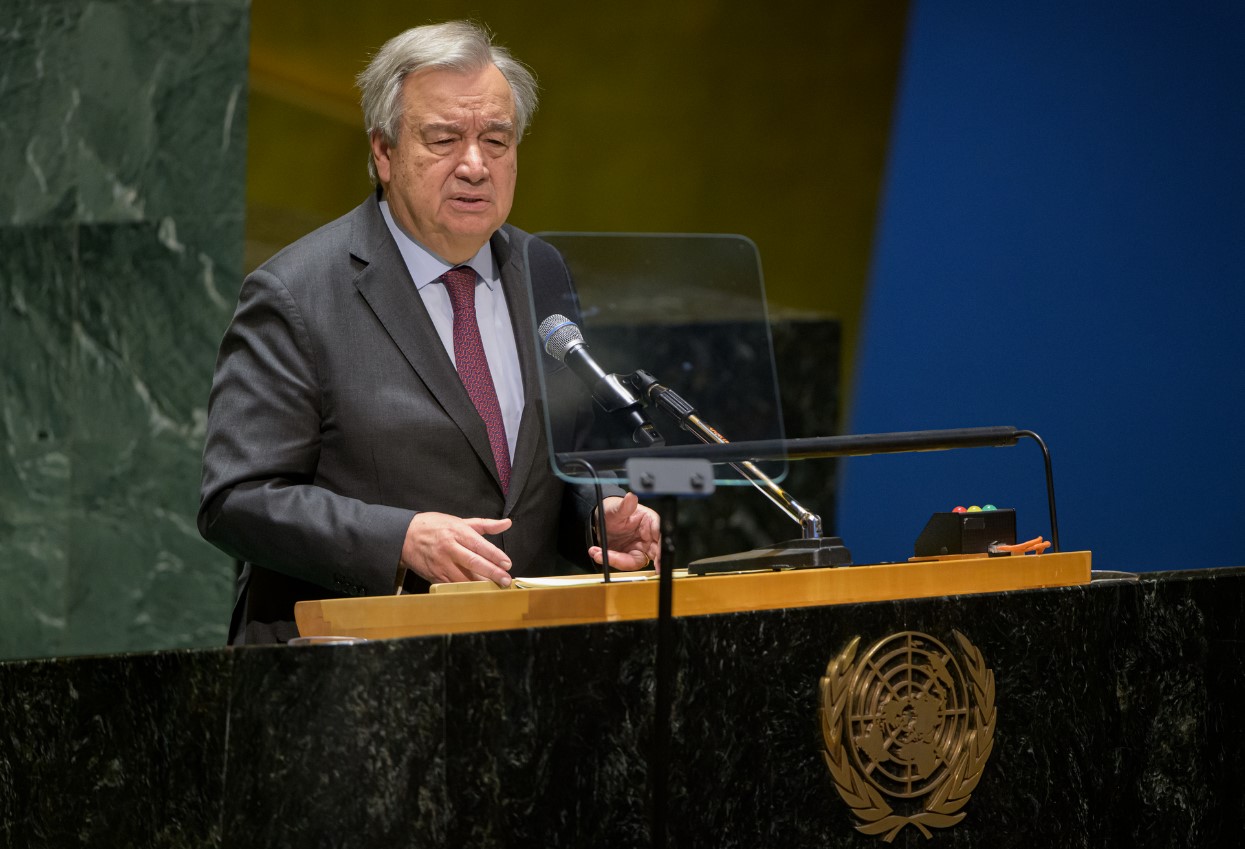
Guterres urged all those with influence over the parties to exert it to prevent further bloodshed. The international community must not allow the horrors of El Fasher to be repeated in El Obeid, said the spokesman.
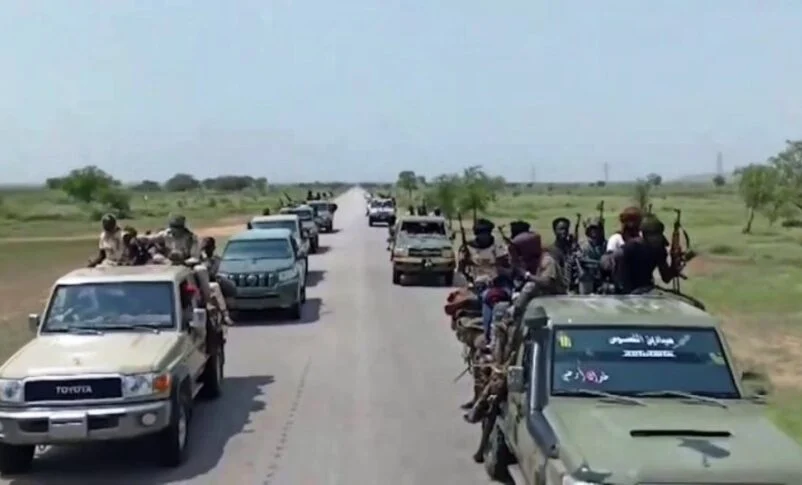
The European nations said the situation around El-Obeid had reached a critical stage amid reports of increased military activity around the area.
The RSF currently controls large parts of North Kordofan State, with the exception of Sheikan, Um Rawaba, and Al-Rahad localities, which remain under army control along the strategic highway linking North Kordofan with White Nile State and Khartoum.
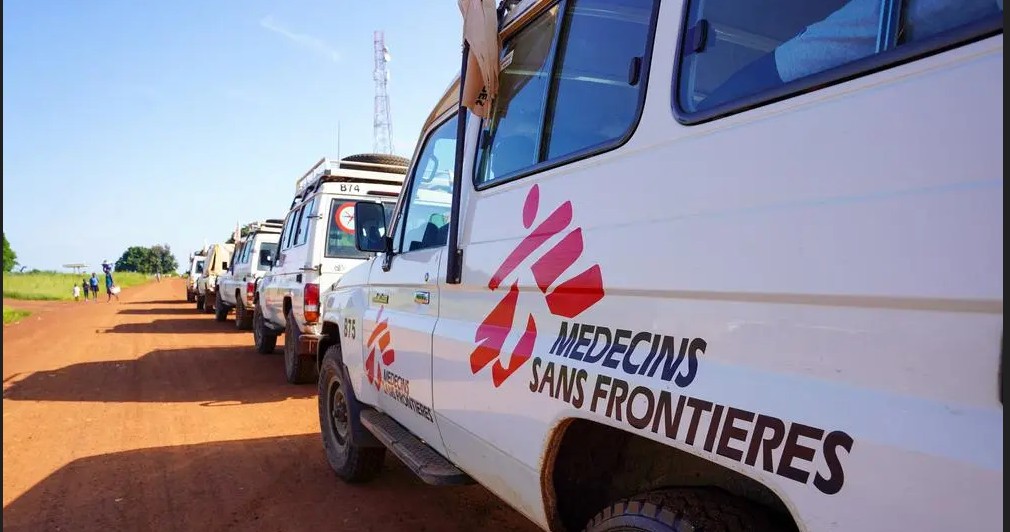
According to MSF, some of the 59 allegations were substantiated by the probe, while others could not be confirmed due to the inability to identify either victims or alleged perpetrators.
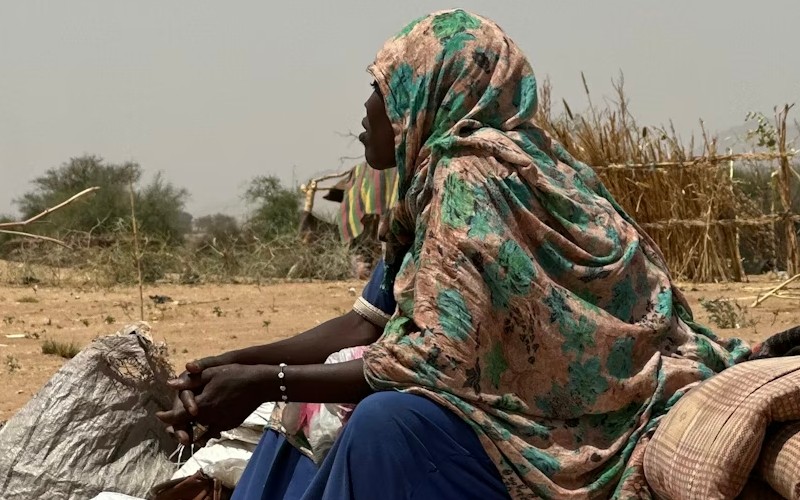
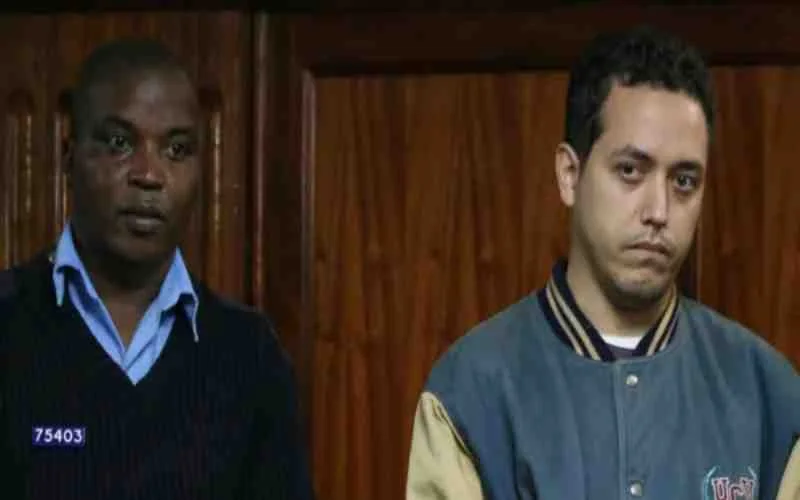
The victims are asking the DPP to investigate 10 members of the RSF, including some with alleged ties to Kenya, for committing these international crimes in and around Khartoum between April 2023 and March 2025.
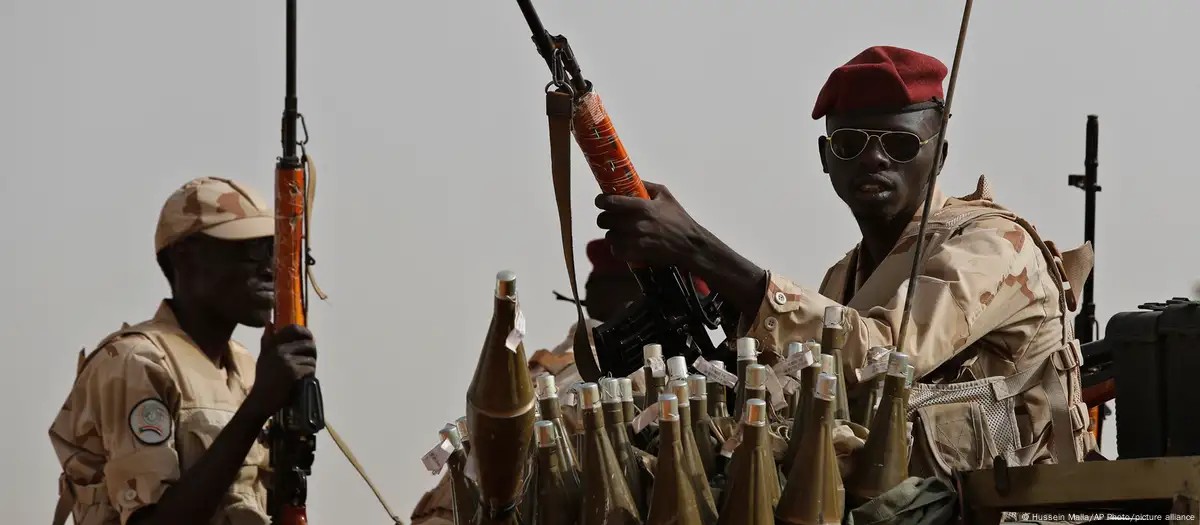
Human rights organisations accuse the UAE of supporting the RSF militia, which has seen a number of high-profile defections to the Sudanese Armed Forces. Meanwhile, the civilian population continues to suffer.
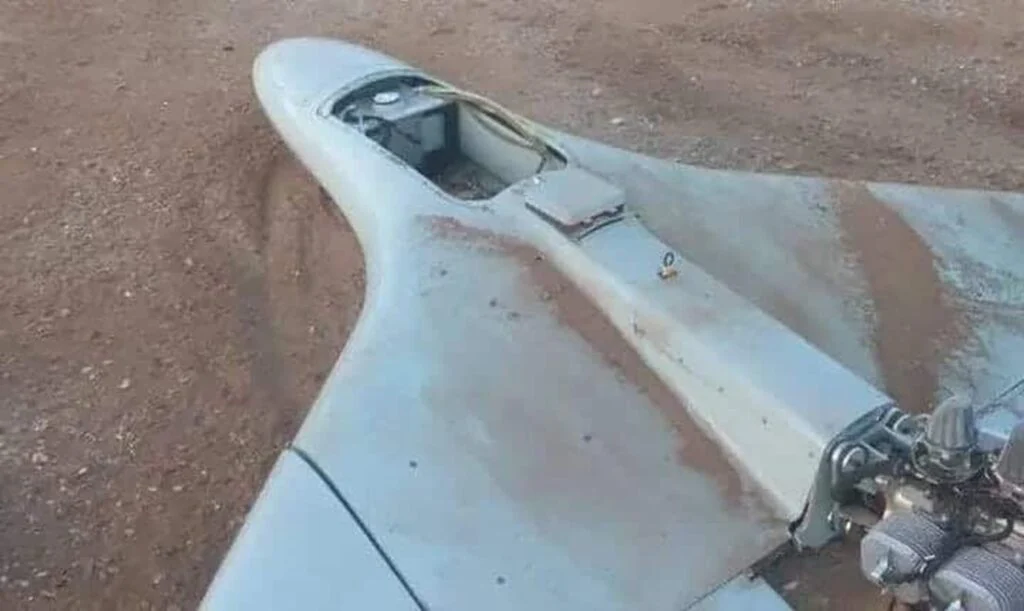
The army carried out its second drone attack this week, targeting defensive positions held by RSF and SPLM-N fighters in and around Kurmuk, a town near the Ethiopian border that has been under the control of the allied forces since March.

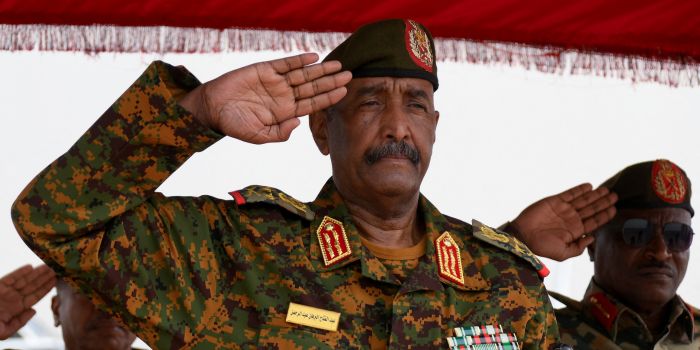
The appeal follows the defections of senior RSF commanders Ali Rizq Allah, known as Al-Savannah, and Major General Al-Nour Ahmed Adam, known as Al-Nour Al-Qubba, who joined the army in April and May this year.
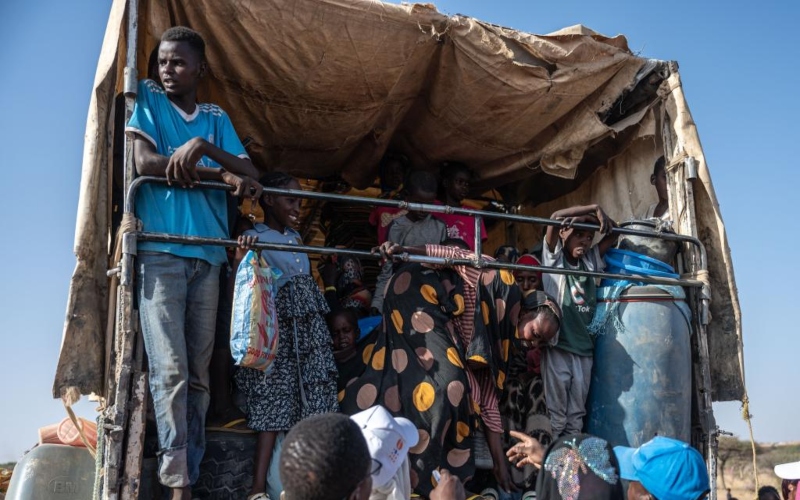
The situation was further underscored in South Kordofan state, where two key bridges on the road between Kadugli and Dilling were reportedly destroyed over the weekend.
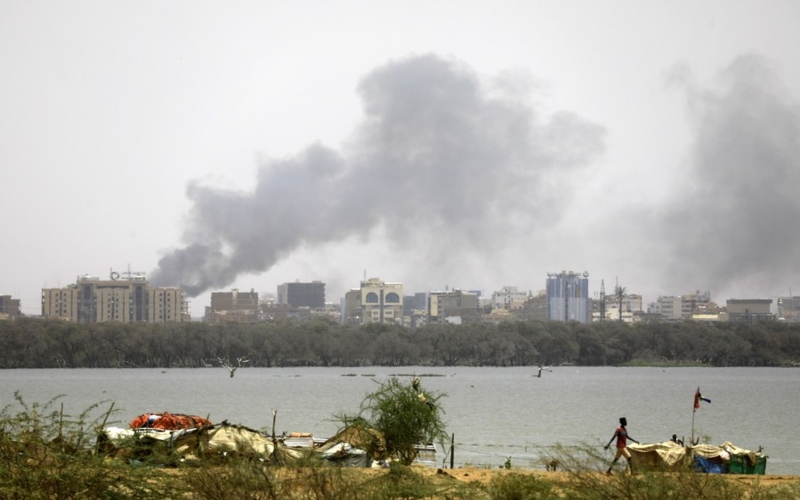
The drones were believed to be operated by the Rapid Support Forces (RSF) and were aimed at strategic sites, including positions in and around Omdurman.
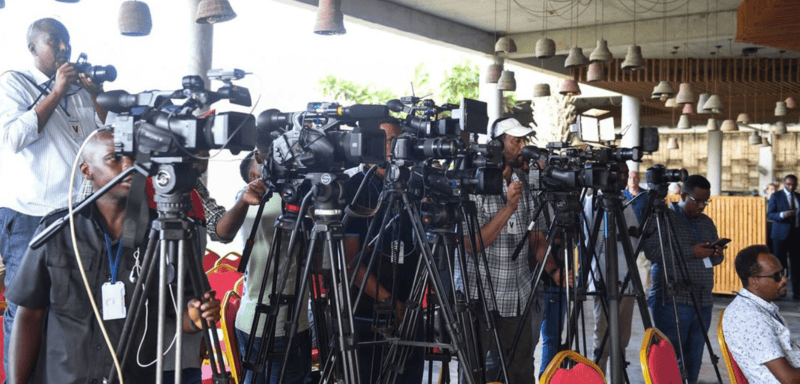
The proposed system, the group added, could also foster a restrictive environment that heightens risks for journalists in an already fragile security environment, including from state authorities, armed groups, and other actors.

According to the report, more than 9 million people have been displaced within Sudan and up to 4 million have fled to neighbouring countries, while nearly 19.5 million people are facing acute hunger inside the country.
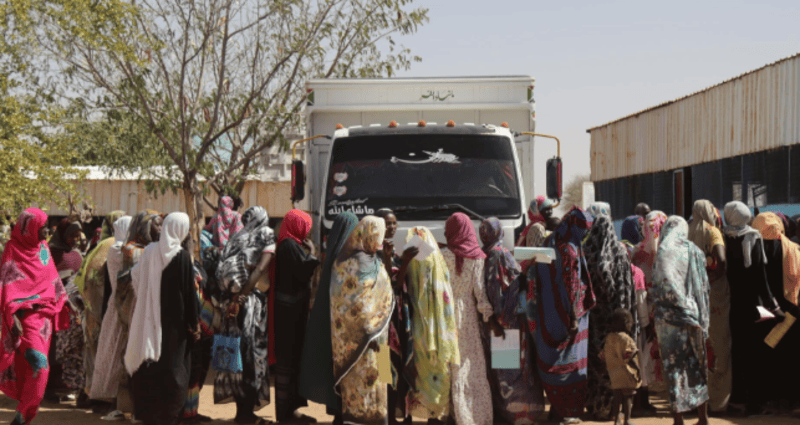
The fighting has intensified over the past several days in areas including Kubum and surrounding localities, where armed confrontations have triggered widespread destruction, forced displacement of residents and reports of detentions linked to the unrest.
The office said the risk of cholera and other waterborne diseases increases during the rainy season, which begins this month. Attacks on essential infrastructure make it more difficult to access clean water.
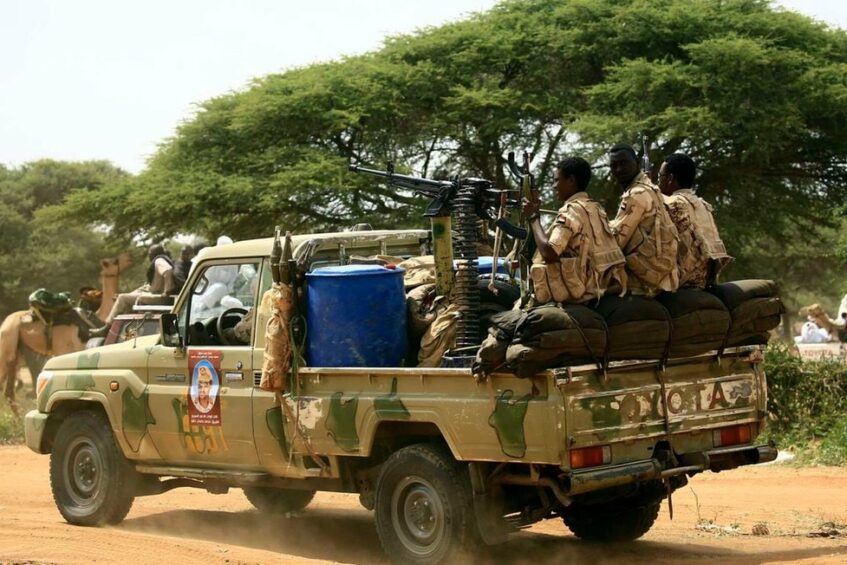
The group similarly urged the international community and human rights organisations to condemn the violence and pressure RSF leadership to halt attacks on civilian areas.
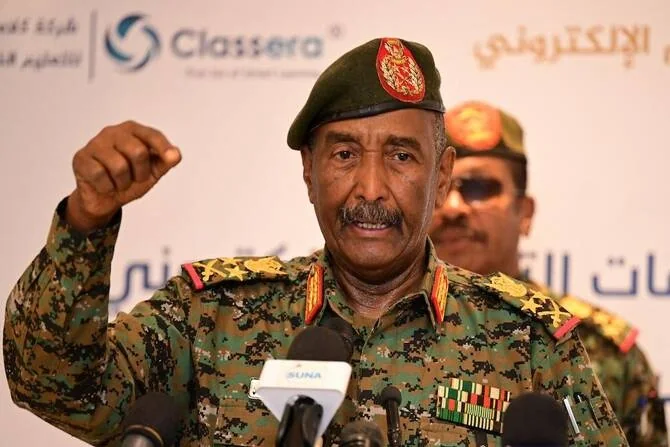
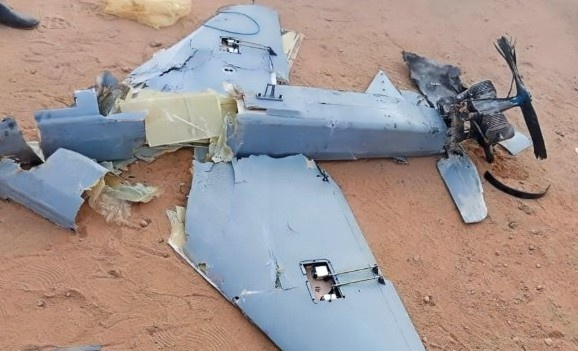
The latest incident comes amid escalating accusations by Sudanese officials that drones used in attacks inside Sudan originated from Ethiopian territory, allegations repeatedly denied by Addis Ababa.
The report says that since 2024, the Abu Dhabi-based security company, Global Security Services Group (GSSG), has hired hundreds of Colombian private military contractors who have deployed to Sudan to fight alongside the RSF, which is battling the Sudanese Armed Forces (SAF).

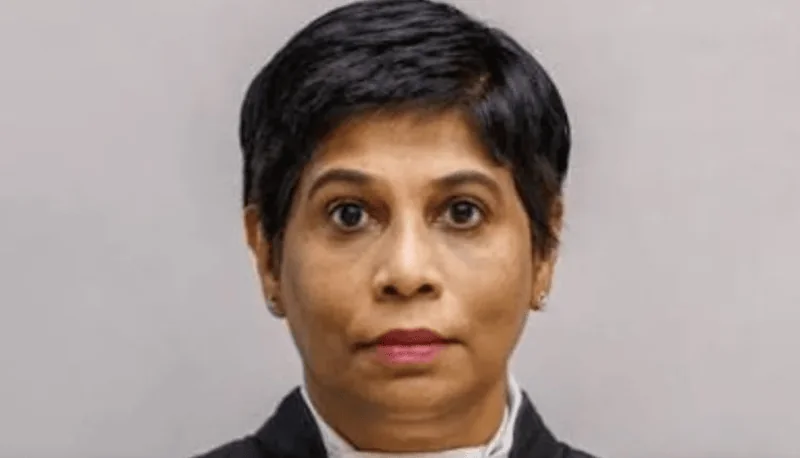
Rania takes over the docket as Sudan continues to face a deepening humanitarian crisis driven by prolonged conflict, displacement and worsening food insecurity, with conditions expected to deteriorate further in the coming lean season between June and September.
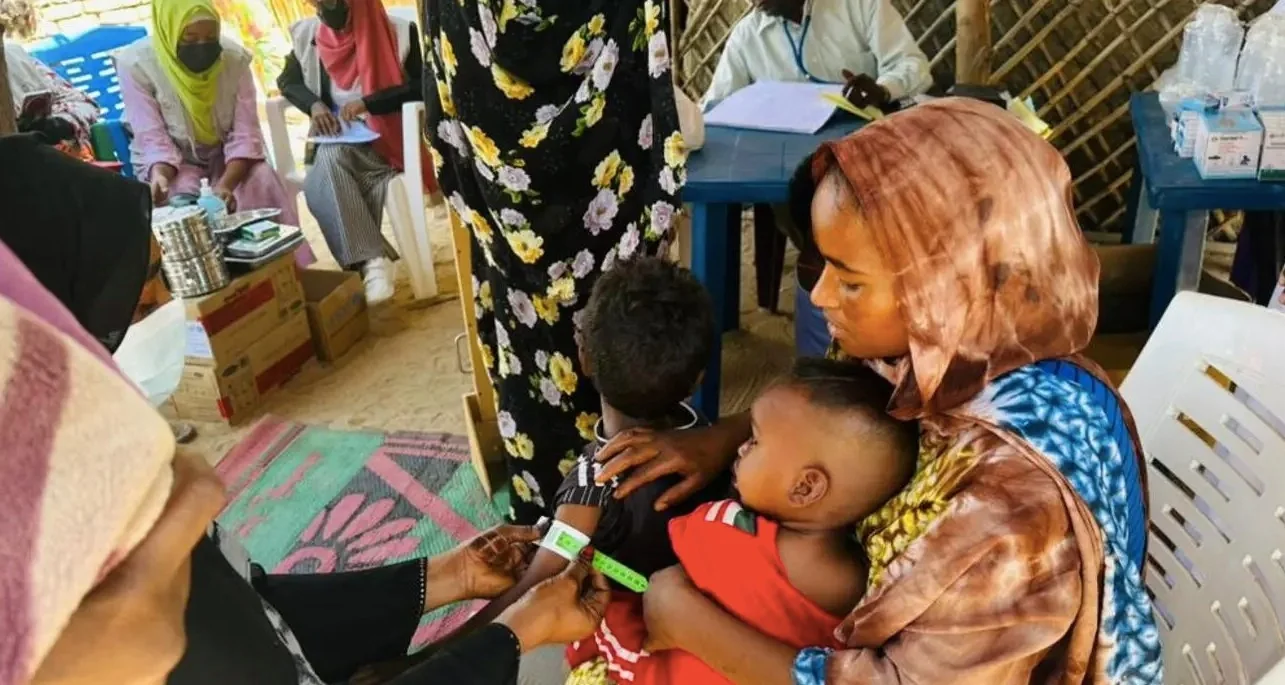
The closures come as Sudan’s health system faces simultaneous disease outbreaks across several regions, including suspected cholera-like acute watery diarrhoea in West Kordofan state, where more than 100 suspected cases and dozens of deaths have been reported this week, according to OCHA.
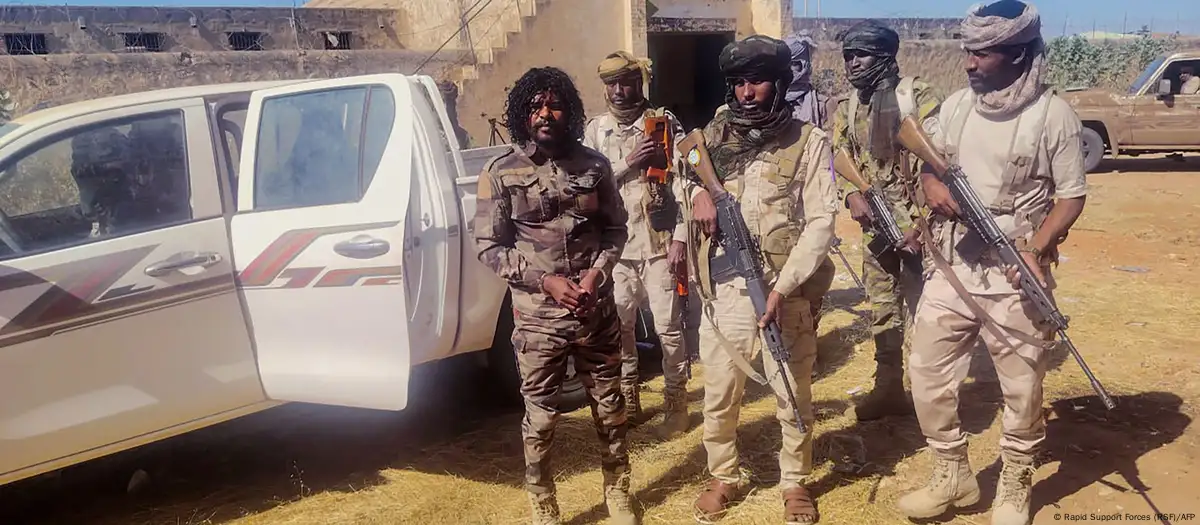
RSF insists Brigadier General Abu Lulu remains in detention and denies claims he was released or redeployed to Kordofan amid reports of internal investigations into El Fasher atrocities.
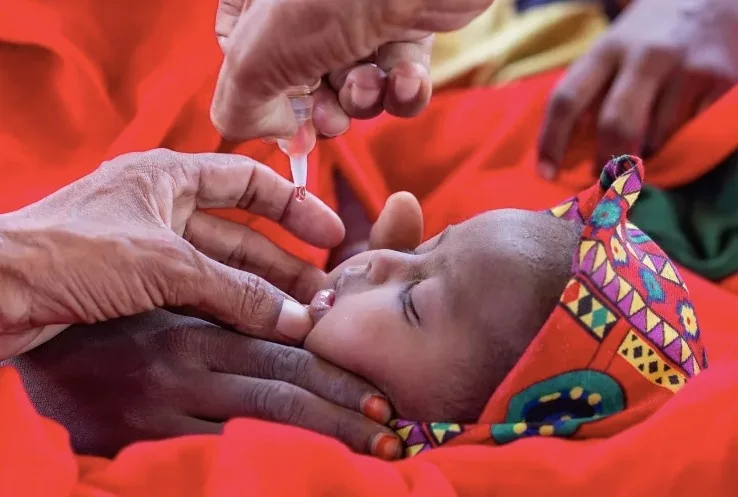
Sudan says it has nearly halved the number of children missing routine vaccinations despite ongoing conflict, as a nationwide catch-up campaign reaches hundreds of thousands of children.
According to the rights group, the attack targeted a key supply centre that many people in West Kordofan and nearby areas rely on for essential food and goods.
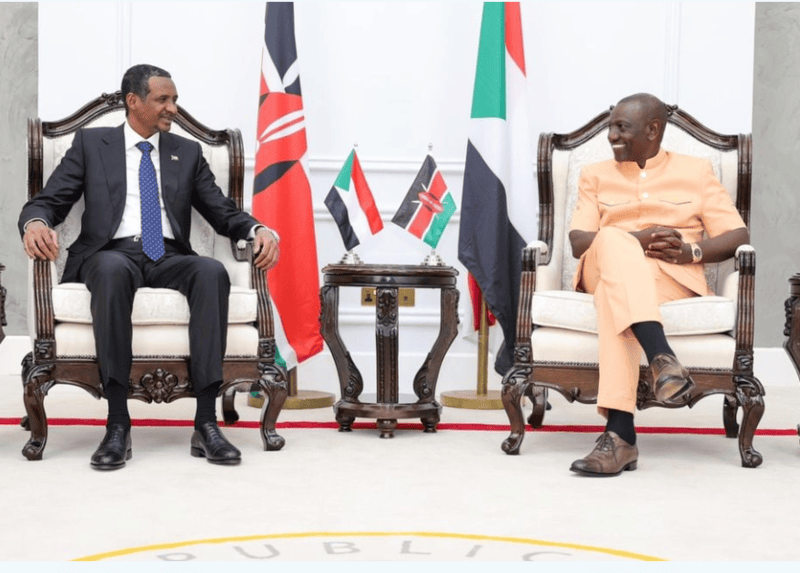
Ruto argued that the two generals had “taken the country to the dogs”, warning that Sudan’s worsening humanitarian crisis could no longer be tolerated.
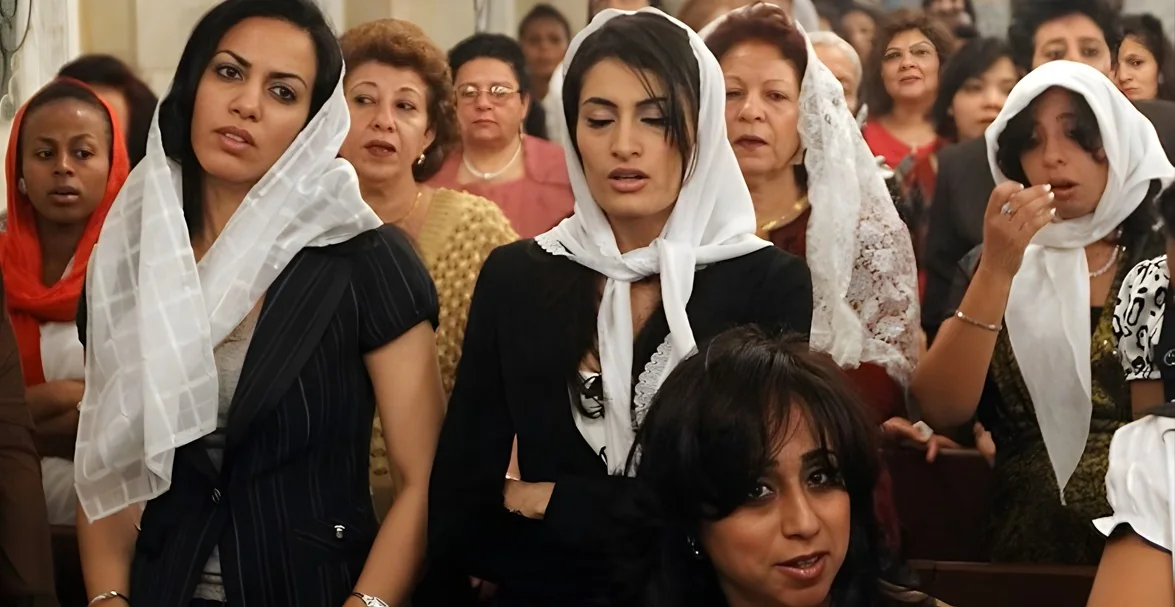
New whole-genome study in Sudan uncovers how ancient population mixing shaped strong malaria resistance in Sudanese Copts and reveals major gaps in global genetic research.
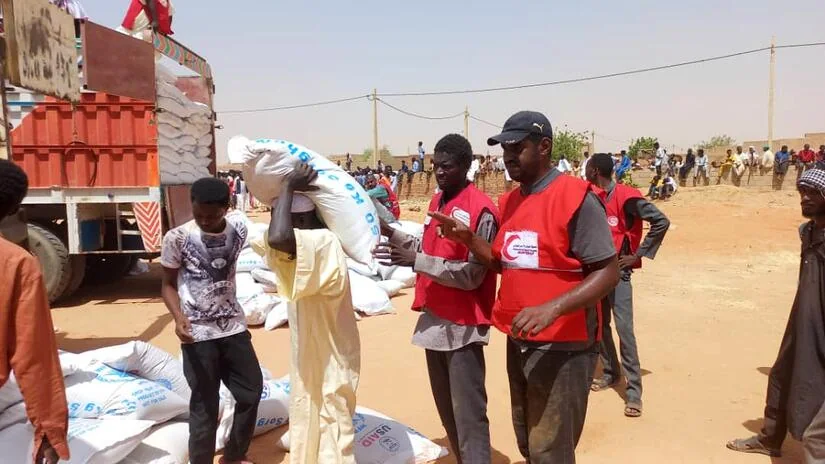
At the most extreme end of the crisis, about 135,000 people are classified in IPC Phase 5, or catastrophe, a condition associated with starvation, extreme food gaps and heightened risk of death.
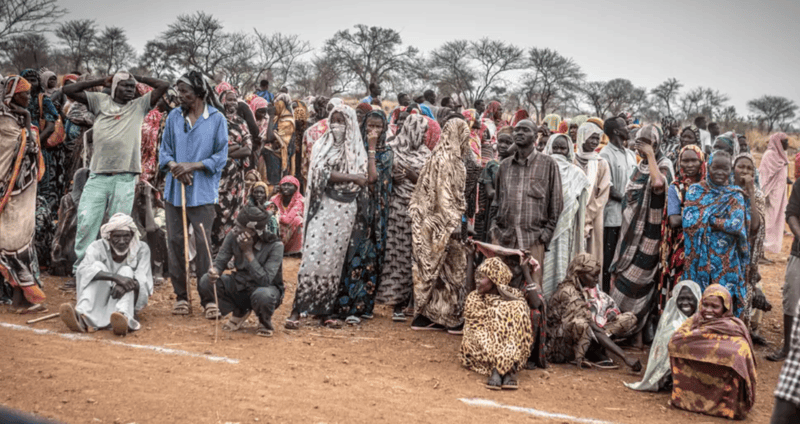
The violence erupted amid fighting between forces affiliated with the Sudan People’s Liberation Movement-North (SPLM-N), led by Abdelaziz al-Hilu, and members of the Atoro tribe in the mountainous region.
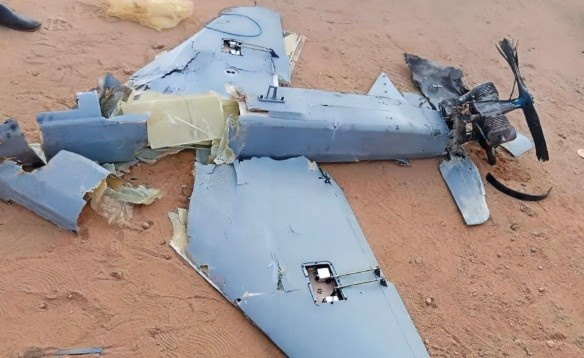
The meeting came days after Sudan recalled its ambassador from Ethiopia for consultations following a wave of drone strikes that hit Khartoum airport and other strategic locations.
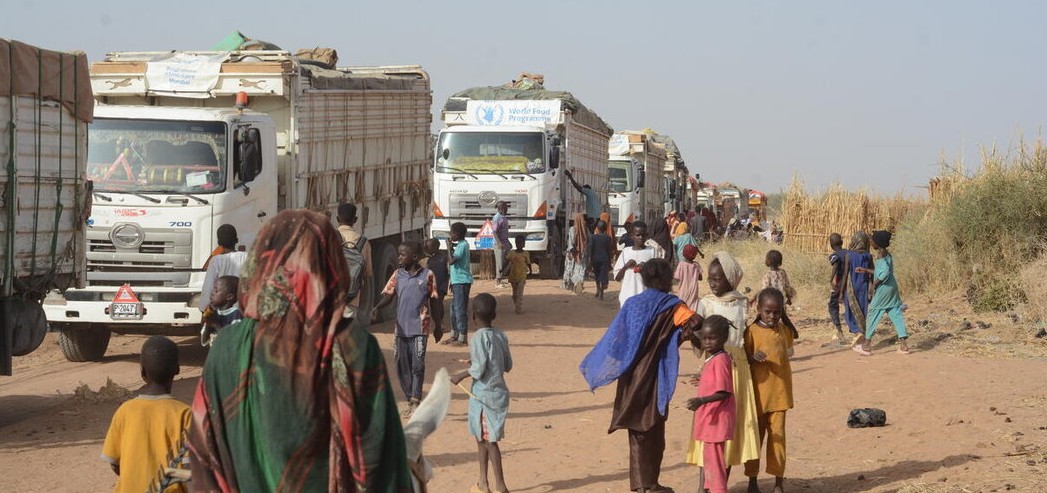
IOM's latest Displacement Tracking Matrix (DTM) for Sudan shows that 49,512 people, representing 9,899 households, had fled their homes as of May 4.
Ali Rizq, also known as Al-Savanna, announced his departure from the RSF weeks after another senior commander defected and joined the Sudanese Armed Forces.
A strike on Khartoum International Airport on May 4 resulted in the disruption of all flights, while several targeted drone attacks occurred elsewhere in Khartoum and its twin city of Omdurman between April 28 and May 5.
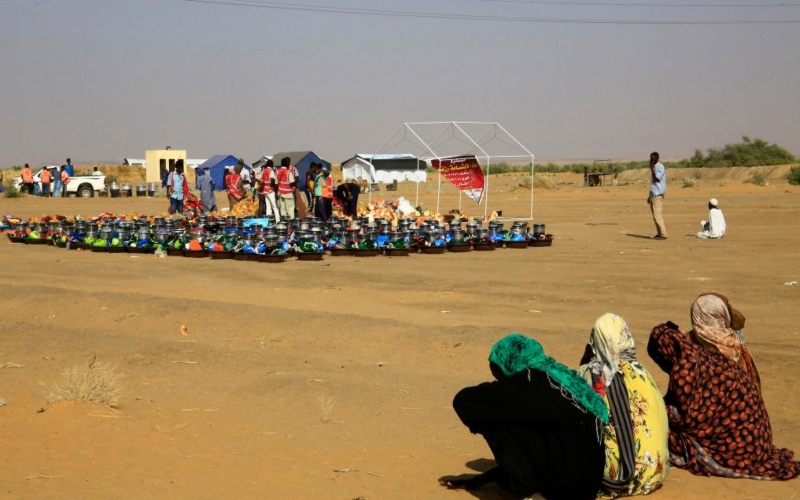
Qasim Dafallah, an SRCS volunteer who worked in Khartoum, said humanitarian work has "completely changed" since the war began.
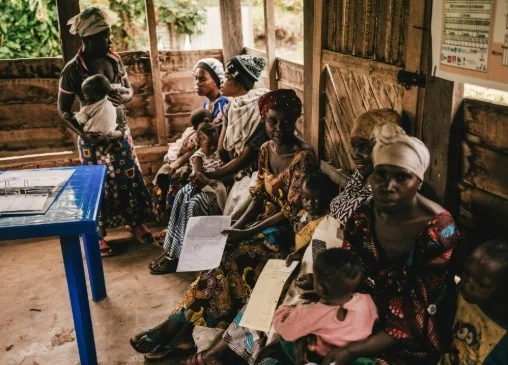
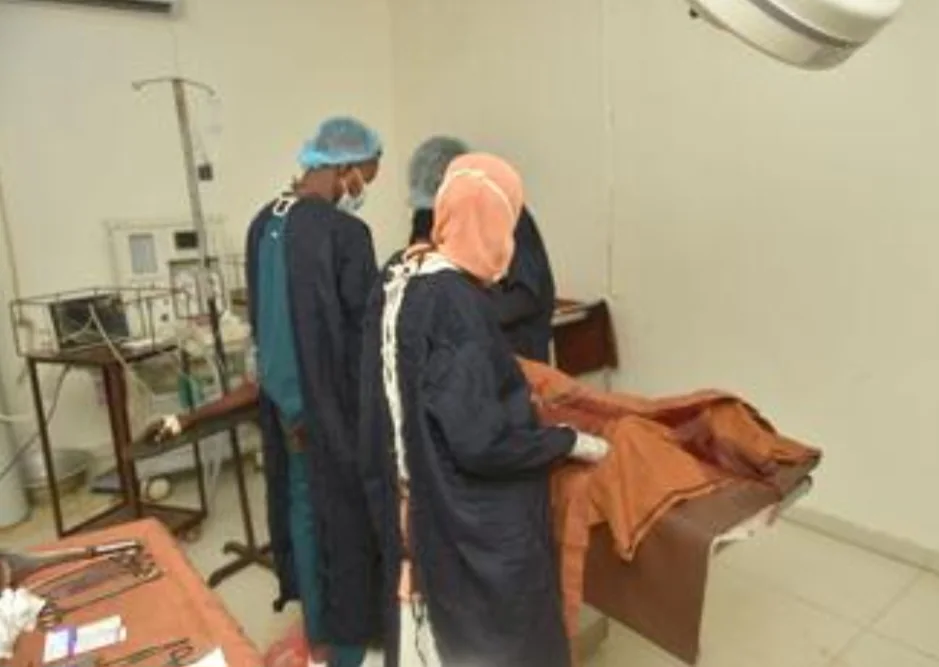
Families are now required to pay up to $100 (Sh12,913) for a caesarean section and $50 (Sh6,456) for the care of premature newborns, costs that are unaffordable for many households in a region marked by poverty and insecurity.
According to Sudanese authorities, the moves amount to an attempt to create parallel governing institutions outside the framework of the internationally recognised state.
Trending