Saudi Arabia announces full ban on photography inside Holy mosques
The decision marks a shift from earlier guidelines that only restricted certain types of filming.
Saudi Arabia has confirmed a new policy that bans all forms of photography inside Masjid al Haram in Makkah and Masjid an Nabawi in Madinah.
The decision marks a shift from earlier guidelines that only restricted certain types of filming. The new rule applies to mobile phones, professional cameras, and any other recording devices, and it will be enforced during the upcoming Hajj season.
More To Read
- More than 40 Indians feared dead in Saudi Arabia bus crash
- 5,000 Kenyan Muslims to take part in 2026 Hajj pilgrimage
- Hajj pilgrims warned against using unauthorised agents to avoid fraud
- Mombasa Hajj agents cry foul over SUPKEM's control, seek State intervention
- SUPKEM under fire as Kenyan pilgrims decry mismanagement during 2025 Hajj
- Muslims in Eastleigh, rest of Kenya observe the Day of Arafah through fasting
The Ministry of Hajj and Umrah has explained that the policy follows a review of pilgrim behaviour and crowd movement inside the two holy mosques.
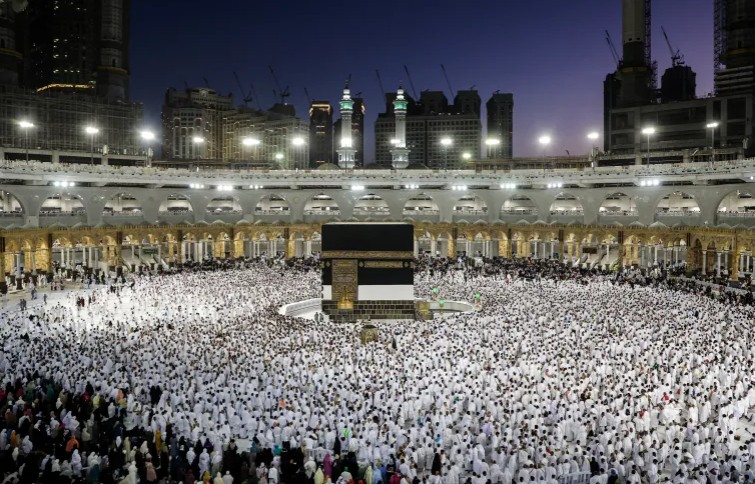
Officials have stated that taking photos inside the prayer areas causes delays during peak hours, creates congestion around the key worship points, and leads to disputes when individuals feel their privacy is violated. The ministry has said that the ban is necessary to maintain a smooth flow of pilgrims during periods when millions of people are present in restricted spaces.
A statement from authorities says that the ban covers all forms of still images and video content. The statement also says that security personnel inside the mosques have been instructed to stop individuals who attempt to take pictures.
The statement notes that the ministry wants all worshippers to focus on prayer and movement and not on recording their activities. Officials have said that the same rule will also apply to other holy sites that are linked to the Hajj route.
The ministry has also reminded pilgrims that photography inside the holy mosques has been a contentious issue for several years. Earlier guidance had urged visitors to avoid selfies and posed shots during prayer or tawaf. Authorities had also asked pilgrims not to take pictures of other people without consent. The new policy changes the approach by replacing voluntary guidelines with a full ban that will be enforced with direct instructions from security teams.
An official from the Ministry of Hajj and Umrah said that the move is a response to rising concerns from both local managers and international delegations.
“The ministry has received repeated reports about disruptions linked to photography inside the prayer areas, and the new policy is designed to remove those disruptions clearly and consistently,” the officials said.
The official added that the aim is to create a focused environment during the busiest periods of the year.
Pilgrims have often shared content from the holy mosques with relatives at home, and many of them consider photos a key part of their visit. Some travel agencies also use images from their clients to promote future packages.
However, security teams have noted that the rise of mobile devices has increased the number of people who stop, pose, or hold their phones above crowds during prayer times. Officials have said that these behaviours lead to bottlenecks at entrances and near the Kaaba. They have also said that disputes arise when pilgrims feel they were filmed without permission.
A representative of an international Hajj group said that many pilgrims may need time to adjust to the new rule.
“Pilgrims will have to understand that this policy is part of the management plan, and we will advise them to comply with it so that movement inside the mosques can remain steady," the representative said,
The representative added that delegations will include the new rule when briefing travellers before they arrive in Saudi Arabia.
The ministry has said that the ban will remain in force throughout the coming Hajj period. The ministry has also said that further updates will be communicated through official channels if new instructions are issued. Security personnel in Makkah and Madinah have begun preparing for the implementation phase, and they will work with mosque administrators to ensure that the rule is communicated to all visitors.
The move signals an effort to maintain order and reduce friction at the sites that receive the highest number of worshippers in the Muslim world.
Top Stories Today