Art And Culture
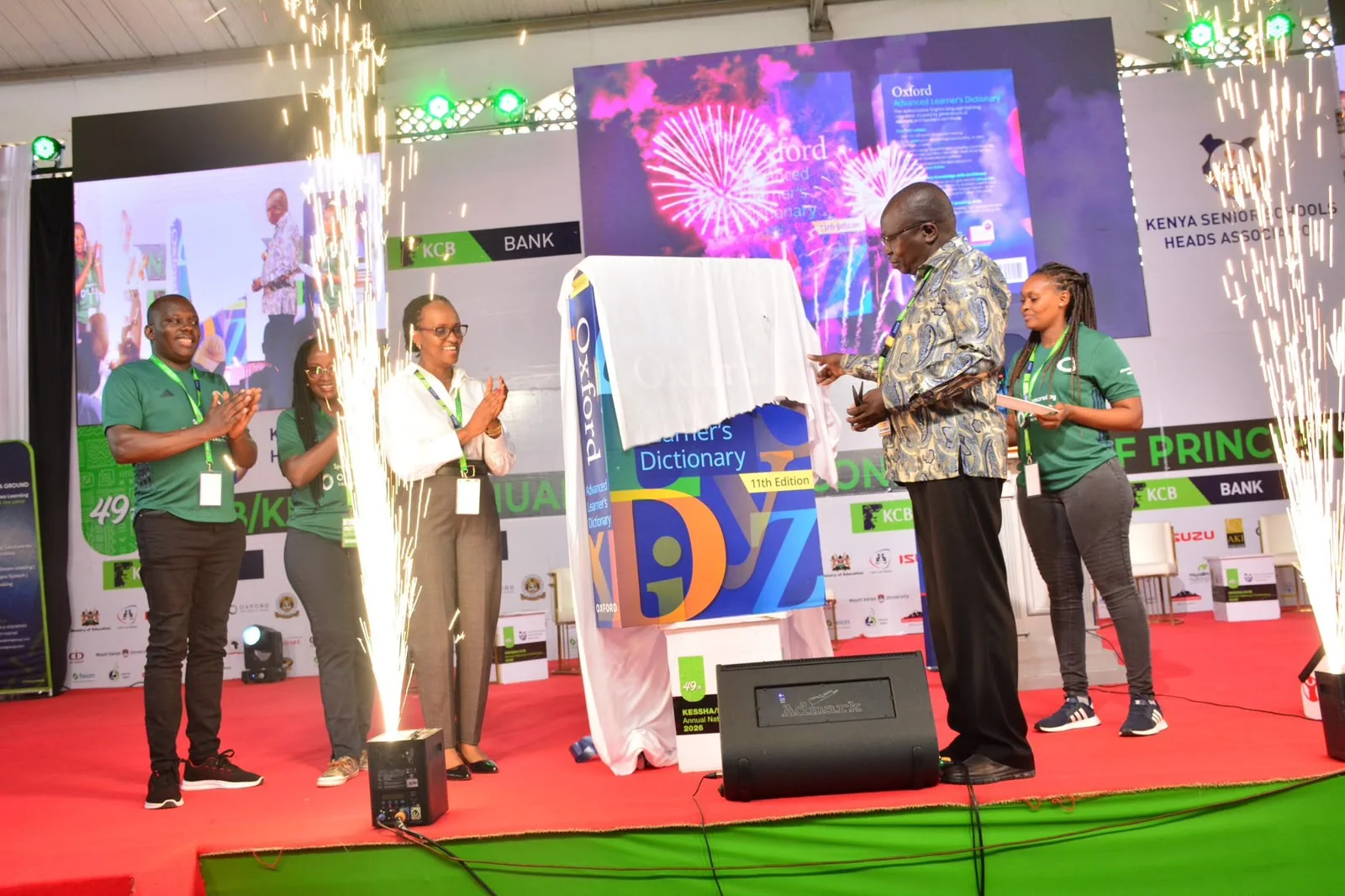
The new entries reflect how English continues to change through local usage, technology, culture and social developments, with the dictionary also adding global terms such as content creator, anti-vaccine, self-care, livestreamer and unmute.


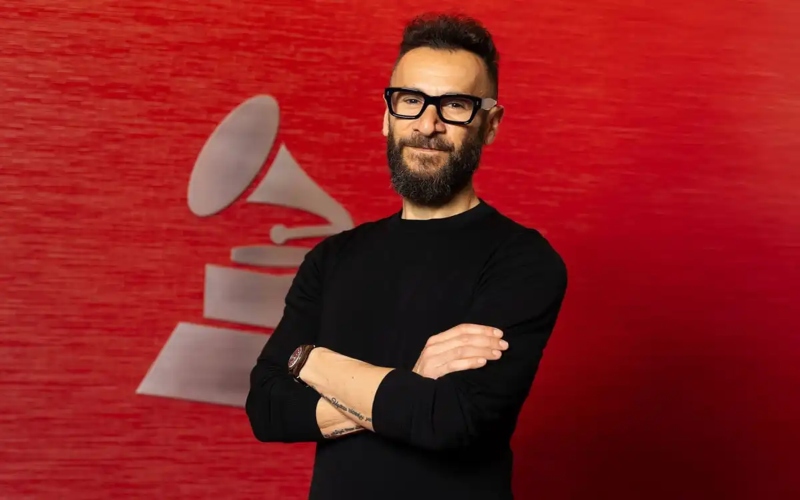
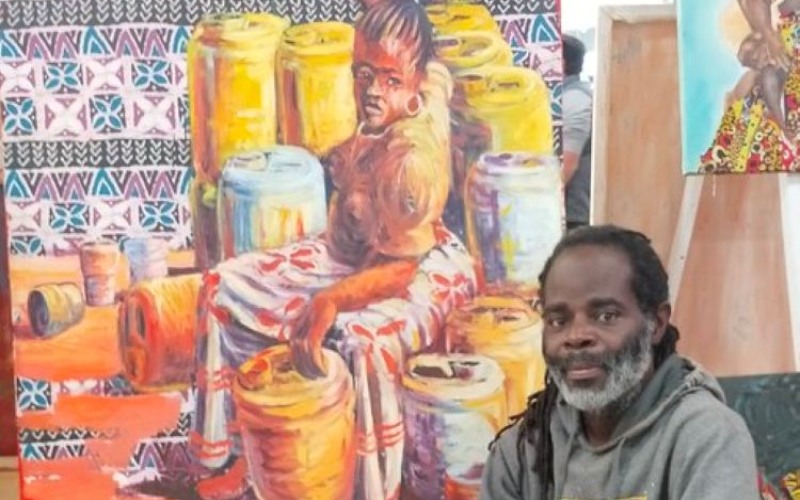
Journalist Ng’ang’a Mbugua recalled how, as a cub reporter, his first assignment was covering Mukabi’s memorialisation of the 1998 US embassy bombing in Nairobi.
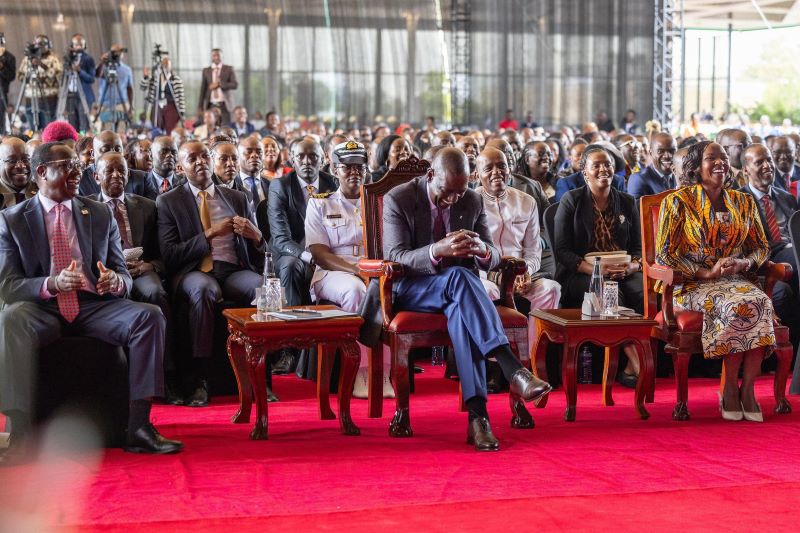
The new system has been integrated into the eCitizen portal and was demonstrated live to attendees during the launch.
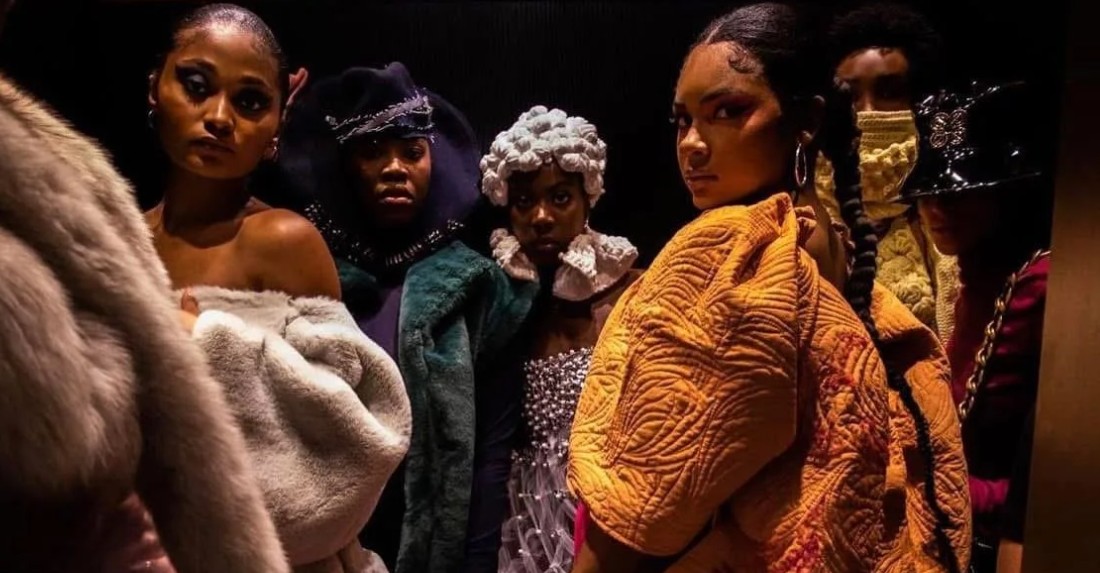
Nairobi will host Noir Fashion Week from August 6–9, 2026, spotlighting African creativity while renewing debate over Kenya’s weakened textile industry and the impact of rising mitumba imports.
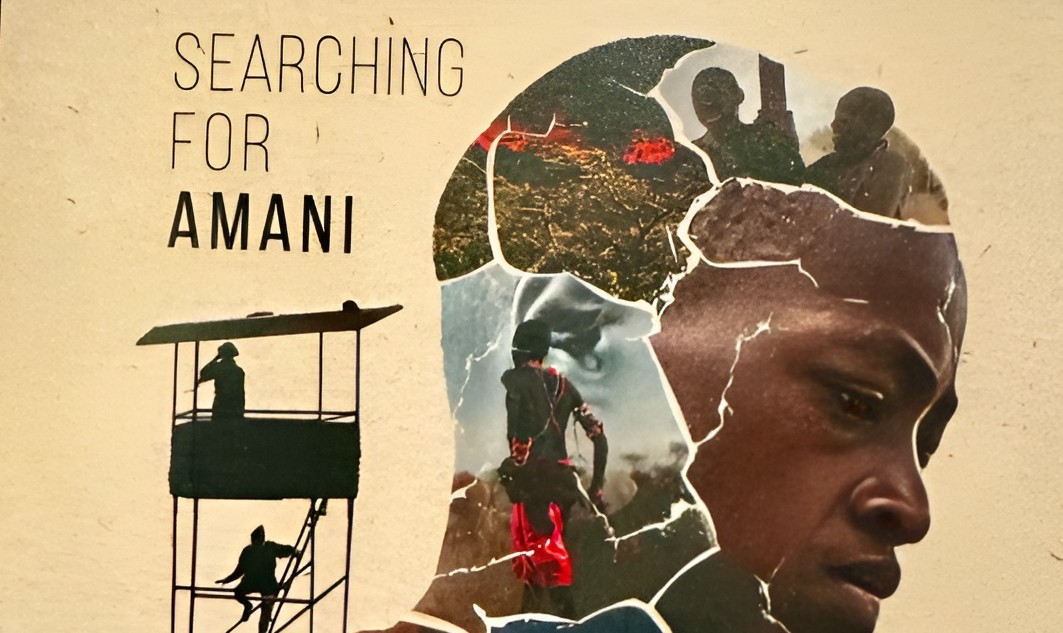
Kenyan documentary ‘Searching for Amani’ has been nominated for an Emmy in the Outstanding Social Issue Documentary category, spotlighting a boy’s search for answers after his father’s killing in Laikipia.
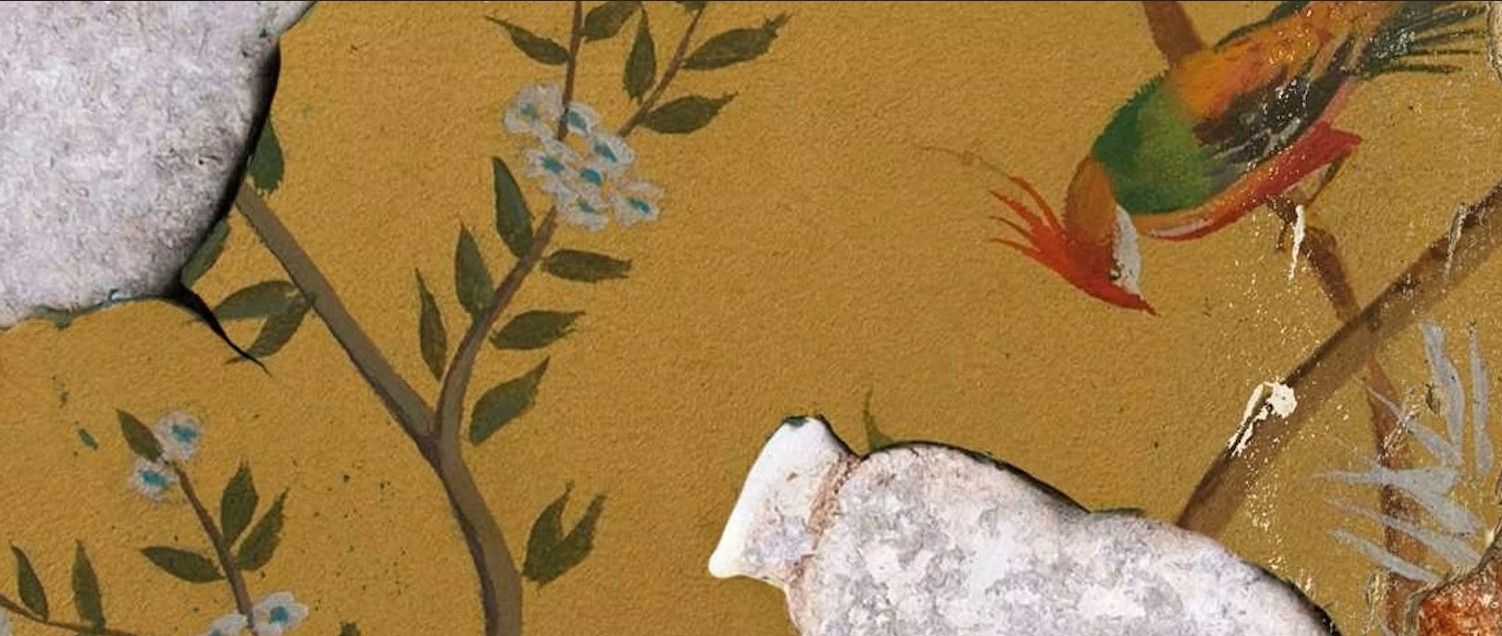
Literary scholar Olivier Moreillon reviews Cape Fever, Nadia Davids’s 1920s harbour‑city novel, exploring its gothic house, unequal domestic labour and how voice and memory expose colonial power.
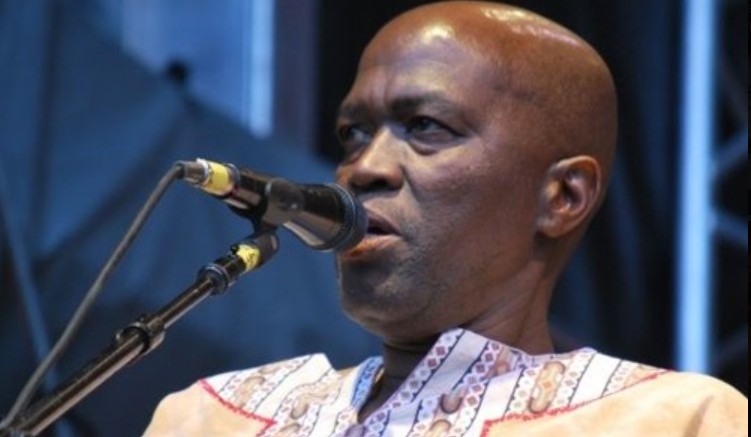
Albert Mazibuko, the longest-serving member of Ladysmith Black Mambazo, died on Easter Sunday at 77. The group hails his key role in shaping its sound and preserving isicathamiya traditions.

Makemation is about a young girl, Zara, who discovers AI as a tool not just for personal advancement, but for transforming her community. She must navigate poverty, gender expectations and limited access to science, technology, engineering and maths education.
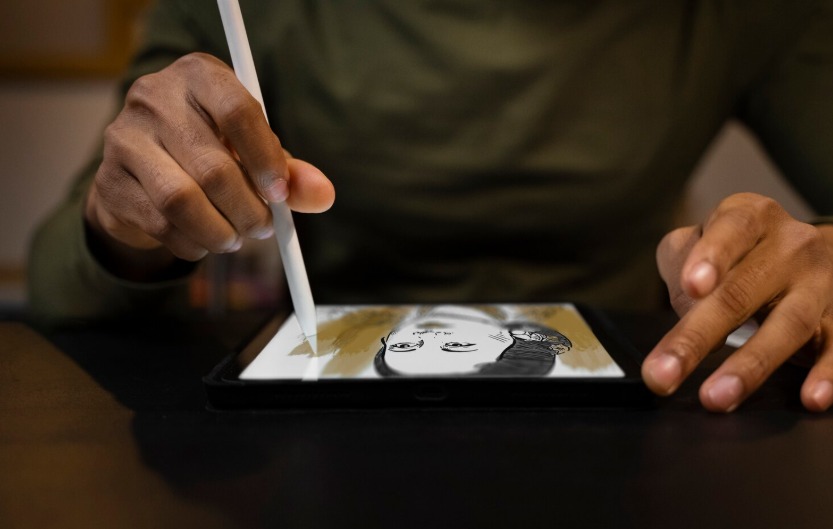
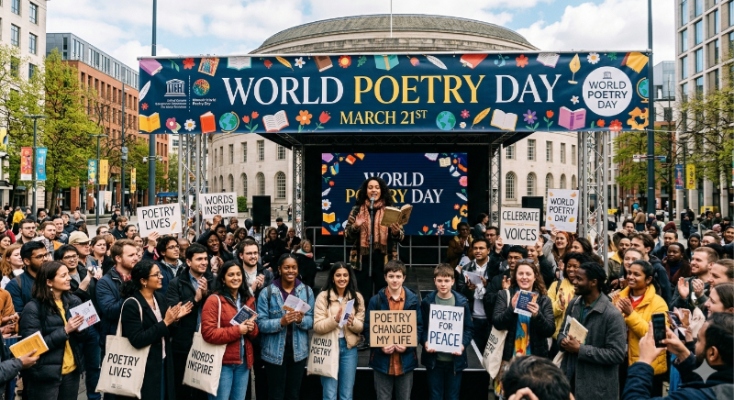
Poetry has long served as a vehicle for activism, giving voice to the marginalised and challenging systems of power. Wole Soyinka, born in Nigeria in 1934, is one of the most celebrated literary figures of the 20th century.

Eid ul-Fitr does not begin with indulgence. It is preceded by 29 or 30 days of fasting during Ramadan, a sacred period in which Muslims abstain from food, drink, and other physical needs from dawn to sunset.

TikTok star Khaby Lame, a Senegalese‑born hafiz raised near Turin, sold his company and image rights for US$975 million, creating an AI-powered digital twin and redefining digital identity as a tradable asset.
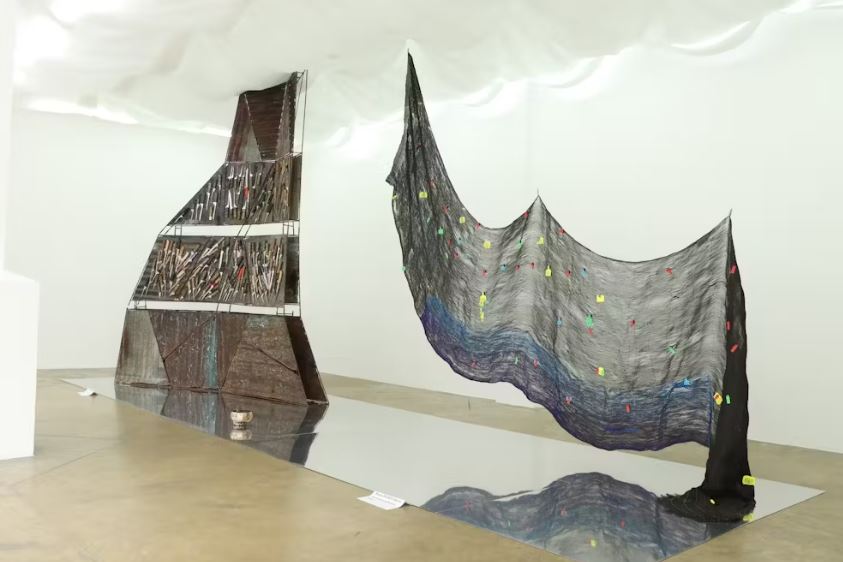
Standing before that painting in Gigiri, the experience felt personal yet universal because your brain was doing multiple forms of work at once: processing visual complexity, assigning emotional value, retrieving personal memory, and creating meaning.
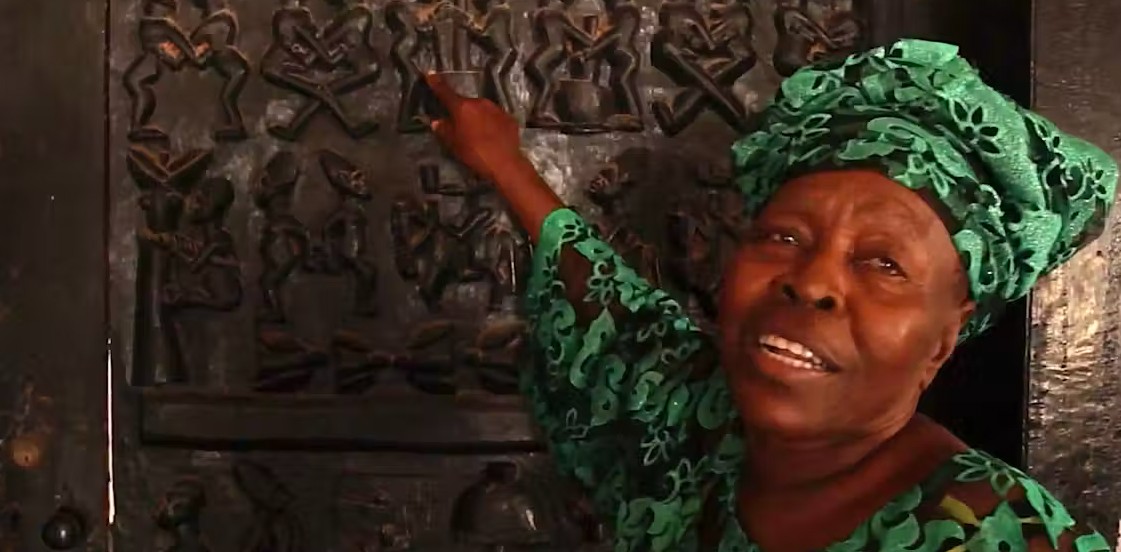
Nigerian philosopher Sophie Oluwole used Yoruba Ifá traditions to challenge Eurocentric ideas that only written texts count as philosophy, reshaping debates on African thought and women’s roles in academia.
Trending