The National Assembly is considering a Bill that would merge three State agencies into a single authority to strengthen intellectual property protection.
According to the Kenya Intellectual Property Authority Bill, tabled in the National Assembly by Majority Leader Kimani Ichung’wah, the government wants to bring together the Kenya Industrial Property Institute (KIPI), the Kenya Copyright Board (KECOBO) and the Anti-Counterfeit Authority (ACA) under one institution.
If passed, the Bill will create the Kenya Intellectual Property Authority, which will take over the functions currently handled separately by the three agencies.
The proposed authority will be responsible for administering Kenya’s intellectual property laws in one place, replacing the current structure where different institutions operate independently under separate legal frameworks.
“The principal object of this Bill is to establish the Kenya Intellectual Property Authority as a single institution to administer, in one place, all of Kenya’s intellectual property law,” reads the Bill.
The legislation also seeks to combine laws on patents, utility models, industrial designs, copyright and related rights, as well as anti-counterfeiting measures, which are currently spread across different Acts of Parliament.
At present, KIPI handles industrial property rights, including patents, utility models and industrial designs. KECOBO manages copyright and related rights covering creators, performers, producers and broadcasters, while the Anti-Counterfeit Authority investigates and prosecutes cases involving counterfeit goods. Each of the three agencies operates with its own board, staff, budget and dispute resolution systems.
The Bill notes that this structure has created overlaps in roles, differences in regulatory standards and increased costs for inventors, creators, businesses and members of the public.
“This fragmentation has resulted in duplication of functions, inconsistent standards and unnecessarily complex and costly experience for inventors, creators, business and the public,” reads the Bill.
The proposed changes come at a time when Kenya is facing increased international attention over its ability to enforce intellectual property rights and curb counterfeit trade.
In its 2025 Special 301 Report on Intellectual Property Protection and Enforcement, the United States Trade Representative flagged Kenya for its among countries with weak enforcement systems that allow counterfeit goods to enter the market.
The report notes that counterfeit products entering Kenya mainly originate from China, India, Türkiye and Vietnam, often passing through Dubai and Singapore before reaching local markets.
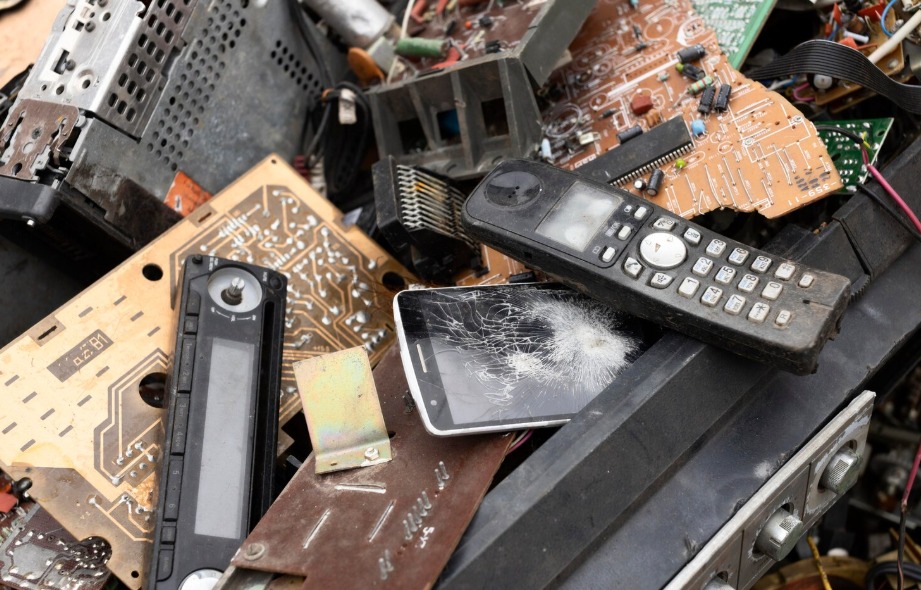
These goods include medicines, automotive parts, electronics, footwear, toys and aircraft components, raising safety concerns for consumers while also leading to loss of revenue for legitimate businesses and governments.
“The problem of trademark counterfeiting continues on a global scale and involves the production, transhipment, and sale of a vast array of fake goods,” the USTR said in the report.











































Comments
Sign in with Google to comment, reply, and like comments.
Continue with Google