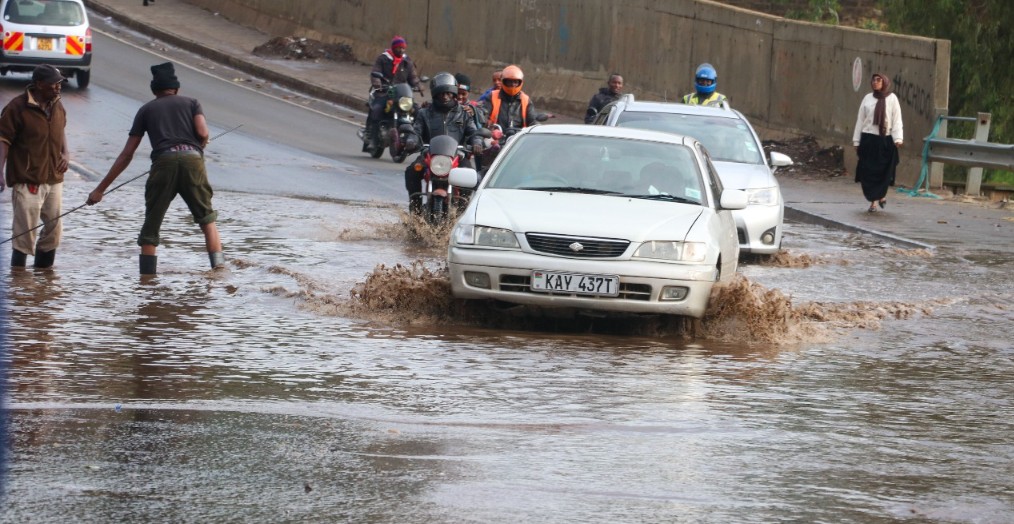
Nairobi authorities have unveiled a large-scale clean-up operation aimed at tackling persistent flooding and waste management challenges across the city. The initiative will bring together multiple government agencies, with the National Youth Service (NYS) and the police playing a central role.
The plan was announced on Friday, 1 May, by City Hall as part of a broader long-term sanitation strategy. Officials say it signals a shift from short-term clean-up campaigns to a more structured and sustainable system.
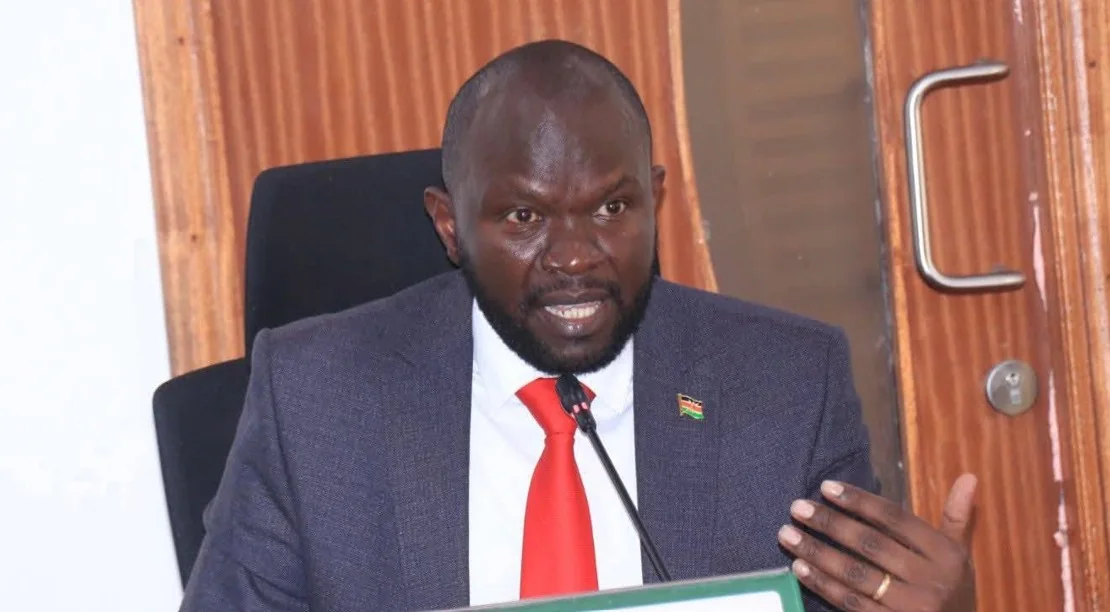
Speaking after a high-level meeting, Green Nairobi County Executive Committee Member Maureen Njeri said the county is focused on improving coordination in waste management.
“We are moving from short-term interventions to a structured system that ensures Nairobi remains clean every day,” she explained.
A key feature of the new approach is the integration of the Climate Worx programme into the county’s routine operations.
Previously run as a separate initiative, the programme will now be incorporated into daily services such as street cleaning, drainage clearance, vegetation control, and garbage collection.
City Hall officials say the move will reduce duplication of duties and ensure consistent service delivery, particularly in flood-prone areas. “Our goal is to make clean-up efforts continuous rather than occasional,” one official noted.
The Chief Executive Officer of the Nairobi Rivers Commission, Brigadier Joseph Muracia, said sub-county implementation committees have already been established to coordinate operations at the local level. He added that regular coordination meetings—both physical and virtual—will be held to maintain alignment and support timely decision-making.
"Sub-county implementation committees are already in place to oversee coordination at the local level. We will convene regular coordination meetings, both physical and virtual, to strengthen collaboration, maintain alignment, and support timely decision-making among all stakeholders", Muracia said
To strengthen oversight, County Commissioners and their deputies will take on a more direct supervisory role. They will monitor staff attendance and lead biweekly meetings at the sub-county level to review progress and deployment.
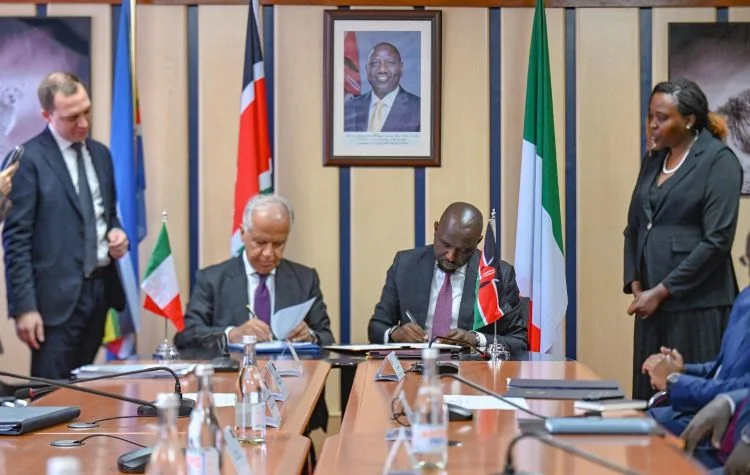
The development follows an earlier agreement between the national government and Nairobi County. While the county will retain operational control, the NYS will support ground supervision to enhance discipline and efficiency.
Efforts are also being intensified to address ongoing waste disposal challenges. In collaboration with the Nairobi Rivers Commission and NYS teams, the county plans to deploy additional trucks to speed up garbage collection and clear existing backlogs in both residential and commercial areas.
Authorities have also introduced stricter measures to curb illegal dumping. Special enforcement teams—comprising security officers, national administration officials, and police—will be deployed in each sub-county to monitor activities and take action against offenders.
Officials believe the new system will result in cleaner neighbourhoods, faster waste collection, and reduced flooding caused by blocked drainage systems.
It is also expected to strengthen enforcement in informal settlements and high-traffic business areas where illegal dumping has been a persistent problem.
“This is about restoring order and ensuring a healthier environment for all residents,” Njeri added.









































Comments
Sign in with Google to comment, reply, and like comments.
Continue with Google