World Met Organisation warns strong El Niño could trigger extreme weather worldwide
World Met Organisation warns strong El Niño could trigger extreme weather worldwide

Listen

Read this story aloud

Listen to the clean text version of this article.

Ready
3 min listen
Audio reading is not supported on this browser.

According to WMO, El Niño is likely to become much stronger between July and September before reaching its peak towards the end of the year, increasing the risk of extreme weather in many regions.

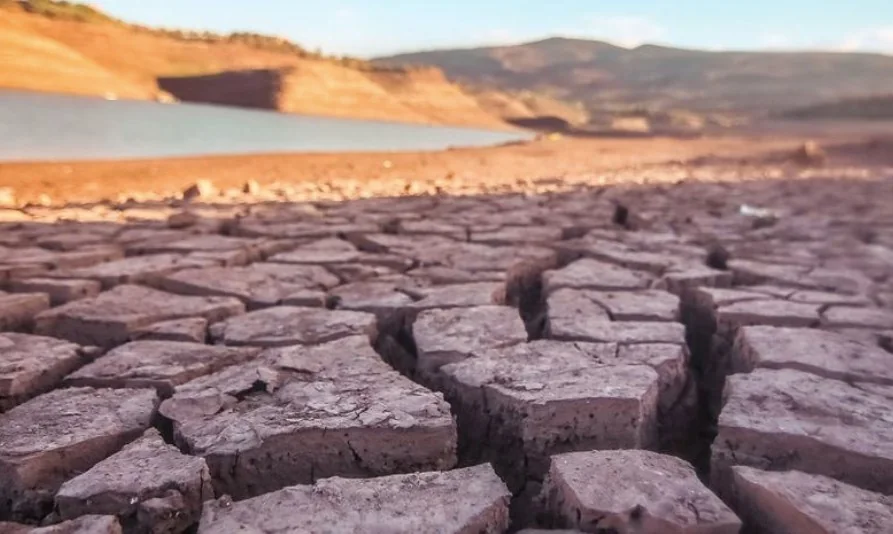
El Niño has developed in the tropical Pacific and is expected to strengthen rapidly in the coming months, raising the likelihood of heatwaves, droughts and heavy rainfall across many parts of the world, the World Meteorological Organisation (WMO) said on Friday.
El Niño is a naturally occurring climate pattern linked to unusually warm waters in the Pacific Ocean. It can disrupt weather patterns around the world, often bringing heavier rainfall to some areas and drought to others.
According to WMO, El Niño is likely to become much stronger between July and September before reaching its peak towards the end of the year, increasing the risk of extreme weather in many regions.
The weather agency added that forecasts from leading climate centres show ocean temperatures in the central and eastern Pacific will continue to rise over the coming months, giving scientists high confidence that a strong El Niño will develop.
"El Niño conditions are already underway and are forecast to strengthen rapidly into a strong event – as accurately anticipated by WMO forecasts. This will intensify the chances of drought and heavy rainfall and the risk of heatwaves on land and marine heatwaves in many regions of the world," WMO Secretary-General Celeste Saulo said.


The WMO also warned that above-average temperatures are likely across most populated parts of the world over the next three months, with warmer-than-normal ocean conditions expected across large areas of the Pacific, Indian and tropical Atlantic oceans.
The changing weather patterns are also expected to affect rainfall patterns across several regions. The agency forecasts below-average rainfall over parts of the Indian subcontinent, much of Australia and the Greater Horn of Africa, while parts of West Africa, the central and eastern Pacific and the southwestern United States are likely to receive more rain than usual.
“Across Europe, forecasts suggest a north-south contrast, with increased chances of above-normal rainfall in southern Europe and below-normal rainfall in northern Europe. However, for Europe, forecast confidence remains lower than in many other regions,” said the weather agency.
WMO has stepped up coordination with governments and humanitarian agencies to help them prepare for the possible impacts of the developing weather pattern through improved forecasts and early warning systems.
“Advanced seasonal forecasts and early warnings are vital to save lives and cushion the impact on our economies and our communities,” Saulo said.

Comments

0
Loading comments...

Trending

Popular Stories This Week