Kenya ranked Africa’s most competitive economy in International Institute for Management Development 2025 Index
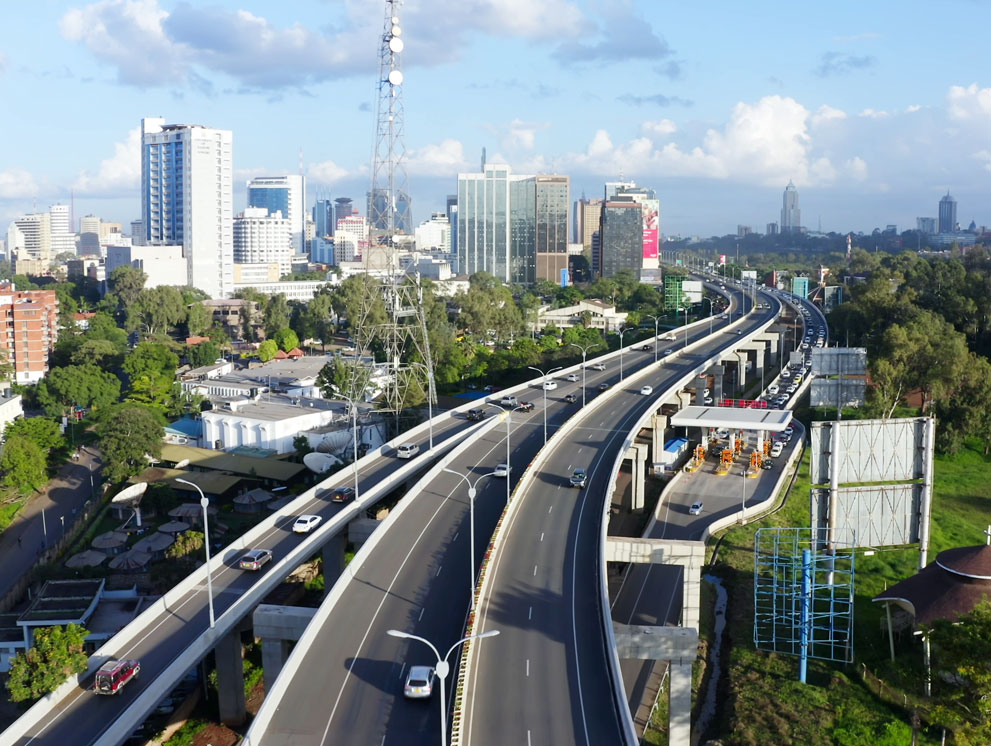
Kenya has been ranked Africa’s most competitive economy and 56th globally in the IMD 2025 World Competitiveness Ranking, reflecting structural reforms, infrastructure gains and regulatory modernisation amid ongoing economic risks.
Kenya has been named Africa’s most competitive economy and placed 56th globally in the 2025 International Institute for Management Development (IMD) World Competitiveness Ranking, marking its first-ever entry into the influential index.
The ranking evaluates how effectively countries deploy economic, institutional and human resources to achieve long-term productivity.
More To Read
- Cabinet unveils new pricing framework to curb infrastructure costs
- Ruto unveils Sh4 trillion development plan to propel Kenya to first-world status
- Construction sector seen as Kenya’s weakest job creator in 2025, CBK survey shows
- Rising costs force 2,260 companies to exit as 138,000 enter market
- Majority of Kenyans report worsening economic conditions since last election
- Kenya’s banking sector at a crossroads: Economist analyses new capital rules and licensing shift
The IMD World Competitiveness Ranking is an annual evaluation that provides a clear picture of how well national systems function without repeating policy ambitions or untested reforms. It is one of the few global frameworks that combines hard data with executive-level survey insights, offering a balanced view of actual economic performance and perceived business conditions.
The ranking assesses 336 indicators grouped into four pillars, including economic performance, government efficiency, business efficiency and infrastructure. The pillars capture institutional strength, investment climate, workforce capacity and the depth of technological and physical systems. Countries that score well typically demonstrate stable regulations, sound fiscal management and strong private-sector activity.
For Africa, eligibility alone is a significant marker, as many countries are excluded annually due to insufficient or inconsistent data. In 2025, only six African states met the full requirements, offering a limited but revealing picture of the continent’s competitive standing.
The six include: Kenya, ranked 56th globally and 1st in Africa, Botswana (59th), Ghana (61st), South Africa (64th), Nigeria (67th) and Namibia (68th).
IMD notes that Kenya’s position at the top of African entries reflects a combination of rapid structural reforms, institutional modernisation, and sustained policy execution that distinguishes it from regional peers.
“Over the past several years, the government has undertaken decisive measures across macroeconomic management, infrastructure development, and regulatory reform. These actions have produced tangible outcomes that IMD recognises as central to competitiveness,” it states.
“By leveraging its relatively large domestic market, diverse economy, and regional integration, Kenya has achieved measurable gains that outpace other African countries in both executive survey perceptions and hard data indicators.”
The report also states that a central factor in the ranking is macroeconomic stabilisation coupled with fiscal and monetary prudence.
“Reforms to unify exchange rates, tighten fiscal controls and streamline public expenditure have produced verifiable reductions in budget deficits and inflation volatility, improving executive confidence and directly influencing IMD’s government-efficiency pillar,” reads the report.
Infrastructure development has also played a decisive role. Investments in transport corridors, port expansion and energy projects have enhanced operational efficiency and business reliability. According to IMD, upgrades to the Mombasa port and new independent power projects have partially mitigated historical bottlenecks, feeding directly into IMD’s infrastructure and business-efficiency indicators, though implementation gaps remain in some regions.
Regulatory reform and digitalisation complete Kenya’s competitiveness edge. Modernised administrative processes, streamlined tax and licensing procedures, and strengthened corporate oversight have reduced processing times and compliance costs. Combined with policies supporting innovation, technology adoption, and regional integration, these measures expand formal-sector activity and investor confidence. Kenya’s ability to pair ambitious reform with measurable outputs rather than aspirational statements sets it apart, justifying its position as the continent’s highest-ranked economy in IMD 2025.
“Kenya has leveraged its domestic market, economic diversity, and regional integration to achieve measurable gains that outpace other African countries,” the report notes.
However, risks remain, including electricity reliability issues, fiscal pressures and reliance on external trade conditions, which IMD said could moderate future improvements. Civil unrest, flooding caused by heavy rainfall and heightened political instability, including the impeachment of former deputy president Rigathi Gachagua, have also weighed on economic confidence.
Other Topics To Read
- Headlines
- Kenya Economy
- infrastructure development
- business environment
- IMD World Competitiveness
- Africa competitiveness
- economic reforms
- government efficiency
- macroeconomic policy
- global rankings
- Kenya ranked Africa’s most competitive economy in International Institute for Management Development 2025 Index
- Business
Rising national debt and increased taxes on citizens and businesses were cited as further challenges affecting Kenya’s competitiveness outlook.
Globally, Switzerland retained the top position, followed by Singapore and Hong Kong. The ranking evaluated 69 countries using 164 indicators covering economic performance, government efficiency, business efficiency and infrastructure.
According to the report, Switzerland’s unmatched government efficiency and strong infrastructure kept it at the top despite slight dips in economic performance and business efficiency. Swiss executives noted concerns over the openness of public-sector contract awards to foreign bidders.
Singapore, ranked second, dropped one place from last year due to declines in government and business efficiency, but recorded the world’s best economic performance, driven by strong GDP growth, rising capital formation and increased exports. Executives in Singapore cited business relocation as a major threat to the country’s economic future.
Hong Kong climbed two positions to third, boosted by gains in all four competitiveness pillars, although executives flagged auditing and accounting standards as increasingly less adequately implemented.
Top Stories Today