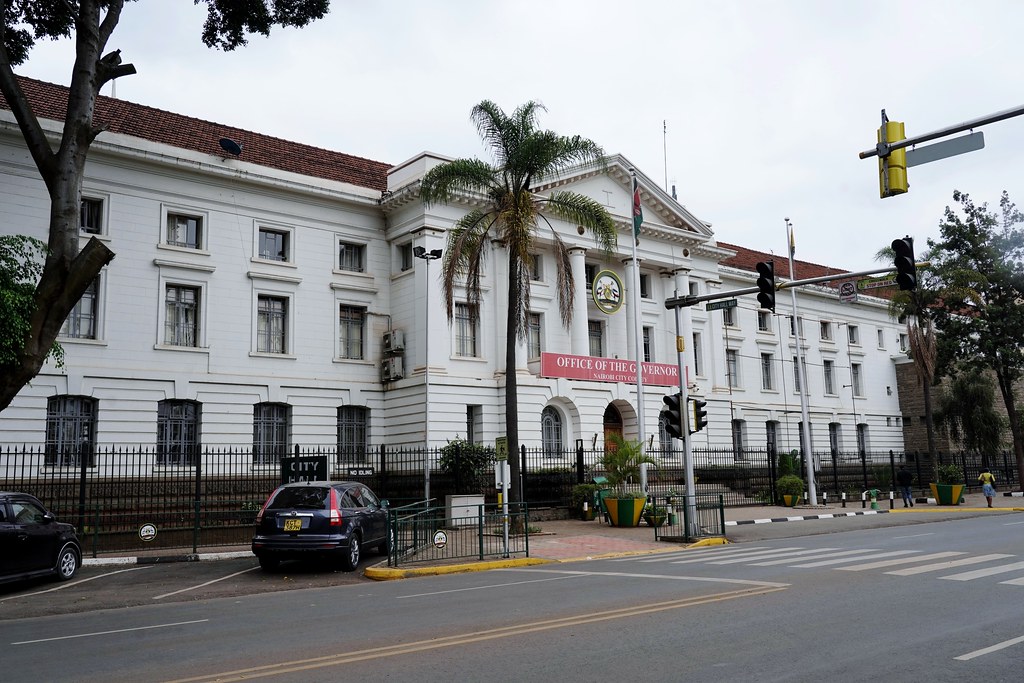
High Court grants more time for talks in Nairobi matatu-petrol station ban case

During earlier court-facilitated discussions, the parties agreed to maintain a temporary arrangement allowing the PSV companies to continue operating from their current petrol station locations.
The High Court has granted parties more time to negotiate an out-of-court settlement in a petition filed by 13 public service vehicle (PSV) companies challenging a directive that bars matatus from picking and dropping passengers at petrol stations within Nairobi's Central Business District (CBD).
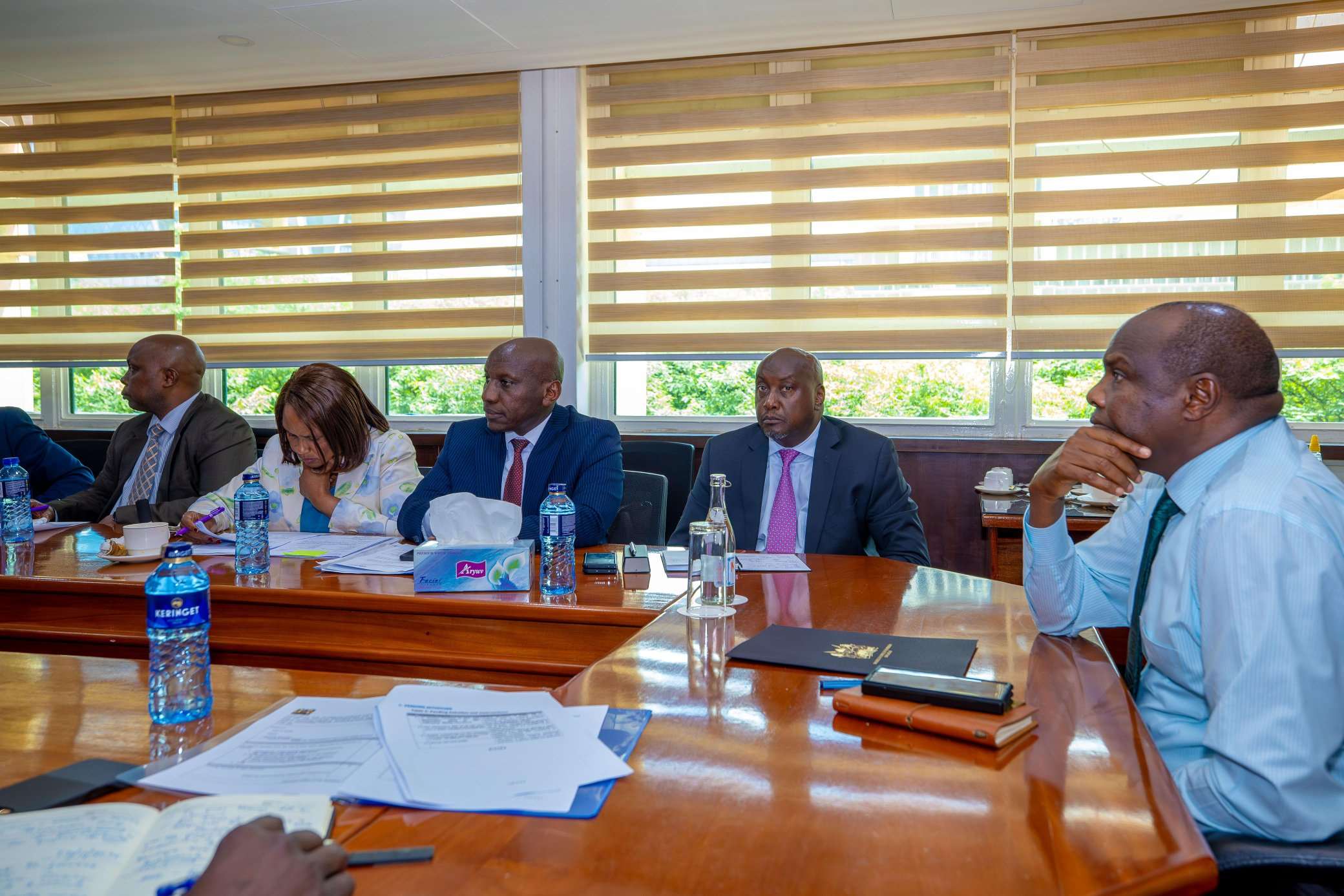
The matter, Kinatwa Sacco Society and Kam Sacco and 11 Others vs Energy and Petroleum Regulatory Authority (EPRA) & County Government of Nairobi and seven others, came up for mention before Justice Chacha Mwita, who was expected to receive a report on the progress of the ongoing discussions.
More To Read
- Relief for matatu operators after High Court halts eviction from CBD loading zones
- Matatus take EPRA and City Hall to court over ban on passenger pickups at fuel stations
- Saccos term petition to ban Matatus at fuel stations baseless, court told
- Matatu operators petition Parliament for laws to curb insurance fraud
- Matatu owners petition Parliament over 'broken' PSV insurance system
- Kenya rolls out first intercity electric matatus in major green transport push
The petitioners—represented by lawyer Danstan Omari—include major long-distance and shuttle operators such as ENA Coach, Easy Coach, Mololine, North Rift, GTS Supreme Sacco, Nenus Shuttle, Transline Classic, Prestige Limited, Kangema Sacco, and Super Premium T&T.
They argue that the enforcement of the petrol station ban by EPRA and the Nairobi County Government was sudden, procedurally unfair, and poses a serious threat to their businesses and to the availability of essential public transport services relied upon by thousands of commuters daily.
According to the petitioners, the directive—if implemented without adequate consultation—would severely disrupt the city's transport network, destabilise established routes, and compound congestion challenges within the CBD. They say any changes to pick-up and drop-off points should involve reasonable notice and comprehensive stakeholder engagement.
During earlier court-facilitated discussions, the parties agreed to maintain a temporary arrangement allowing the PSV companies to continue operating from their current petrol station locations. In return, the transport operators committed to ensuring that entry and exit points of the stations remain unobstructed to guarantee safety and smooth vehicular flow.
On Friday, Justice Mwita directed that the status quo continues as the negotiations proceed, noting that the interim operating arrangement would remain in force "during the subsistence of their operations" or until the court issues further orders. The judge encouraged the parties to use the extended window to resolve the issues at hand through constructive dialogue.
"Given the progress reported, parties are granted additional time to continue engaging," he ruled, while affirming that no party should take steps that alter the existing position pending further directions.
The matter will be mentioned again on January 26, 2026, before Justice Lawrence Mugambi for further directions.
Top Stories Today