MPs flag systemic failures undermining Social Health Authority
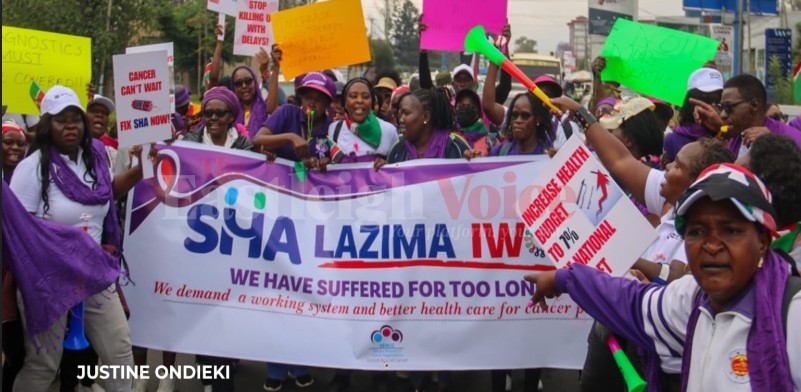
A National Assembly Health Committee report finds unpaid claims, IT outages, and governance gaps are undermining Kenya’s Social Health Authority and straining hospital finances nationwide.
Recurrent systemic failures, operational and policy gaps, and poor financial management are among the major threats to the effective implementation of the Social Health Authority (SHA), a new report by the National Assembly Committee on Health has found.
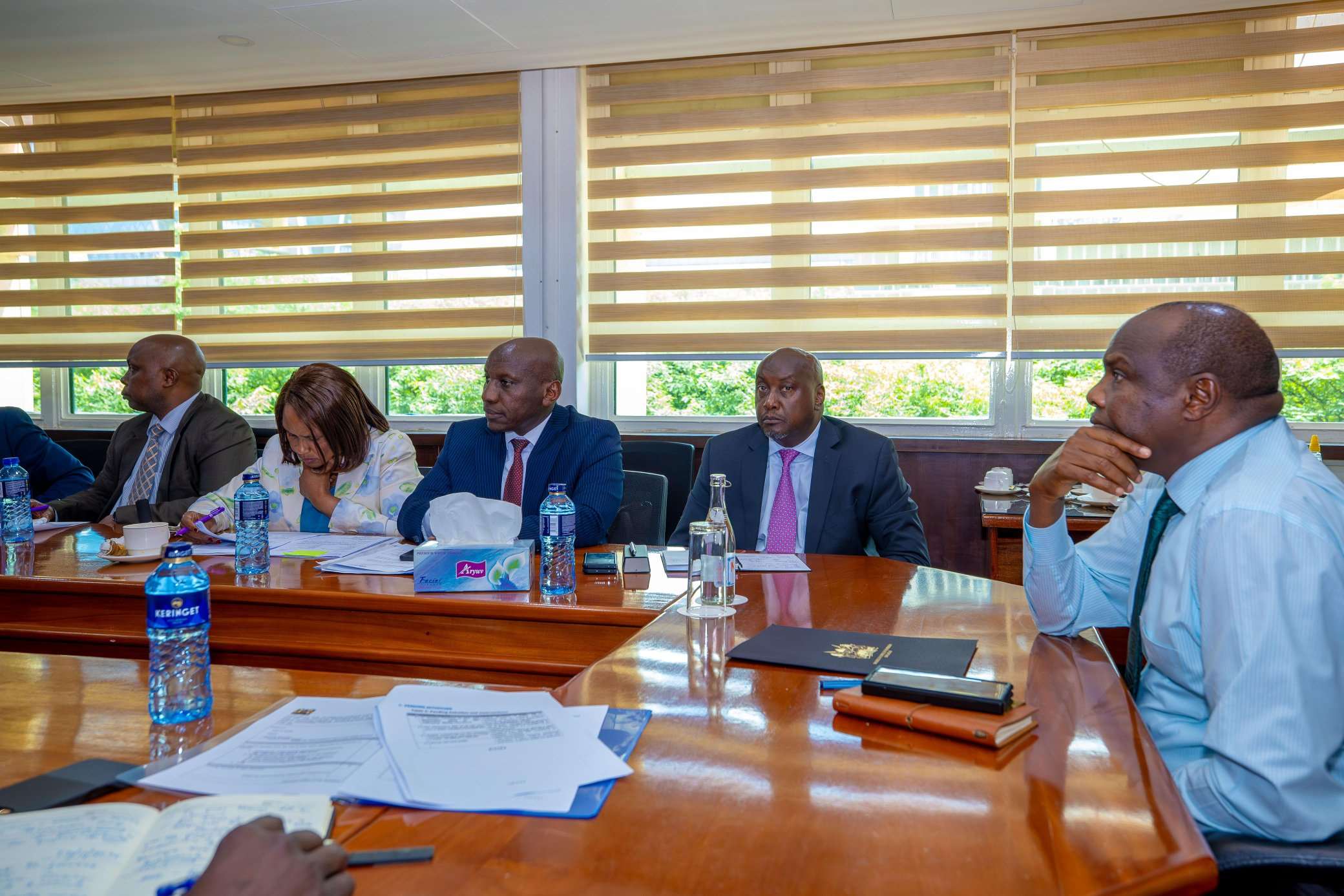
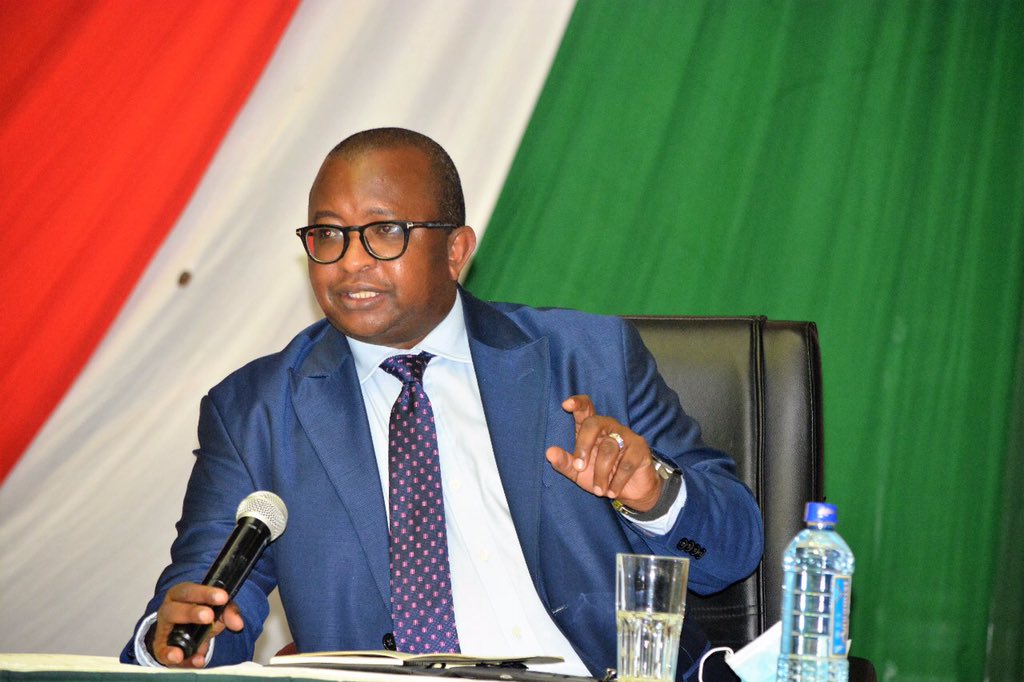
The committee, chaired by Seme MP James Nyikal, said the challenges undermining the success of the President’s flagship health pillar extend far beyond routine hospital operations and are largely rooted in policy weaknesses.
More To Read
- MPs want homeless bedmate of patient murdered at KNH questioned
- Ruto's health plan faces growing scrutiny as MPs seek answers over system failures
- Public healthcare crisis: MPs accuse medical staff of neglecting public duty for private practice
- Ministry of Health under scrutiny over Sh24 billion community health kits deal
- Health team visit to Eastleigh's Joy Nursing Home find inadequacies
According to the report, reimbursements to facilities under SHA have been inconsistent, with some hospitals receiving no disbursements at all.
“A substantial backlog of arrears inherited from the defunct National Health Insurance Fund (NHIF) remains unresolved. Approved but unpaid claims continue to accumulate across facilities, further straining the financial stability of hospitals,” reads the report.
The committee highlighted cases of erroneous payments that have further strained health facilities. It cited Nyeri County Referral Hospital, which lost more than Sh16 million to a neighbouring private hospital due to payment processing mistakes, with attempts to recover the funds proving unsuccessful.
It added that many hospitals remain in financial distress due to high claim rejection rates, even when facilities provide adequate supporting documents.
“Hospitals reported the absence of a clear and transparent mechanism for claim resubmission, with feedback on rejected claims often delayed well beyond the 90-day statutory period,” reads the report.
The MPs also raised concern over the growing use of automated systems in claim reviews. They notes that the increasing reliance on AI-driven claim processing and approvals without sufficient human oversight has led to “unjust denials, causing significant strain on facilities.”
On systemic challenges, the team reported that SHA systems suffer frequent outages, sometimes up to four times a month, leading to operational disruptions and delays in service delivery. During visits to 10 hospitals across the country, the committee also observed biometric registration challenges, especially for patients without national IDs or those whose fingerprints are faint.
In addition, the authority has not established the claims management office as required under Section 35 (1) of the Social Health Insurance Act.
“This gap has led to inconsistencies in the utilisation of primary healthcare funds disbursed by SHA, inefficiencies in the processing and management of claims, limited accountability, and irregular communication with health facilities,” reads the report.
The committee further pointed to governance and coordination gaps among key oversight bodies, including the Kenya Medical Practitioners and Dentists Council (KMPDC), the Social Health Authority, the Digital Health Agency, and county governments.
“There is weak coordination between the agencies, which produces contradictory directives. There is also an absence of written compliance guidelines and fragmented regulations,” reads the report.
Top Stories Today