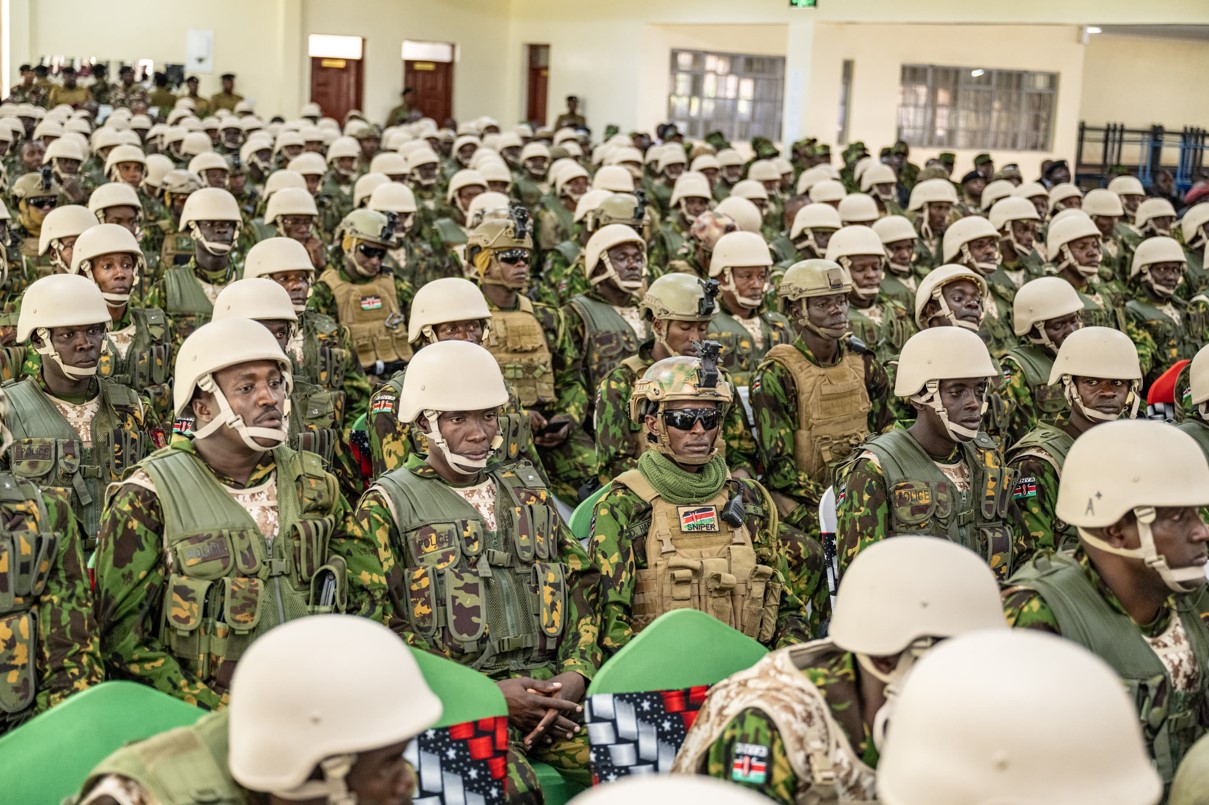
Kenyan police arrive in Haiti to quell surge in gang violence
The arrival of the Kenyan police marks a crucial step in addressing the crisis, but long-term solutions will require a comprehensive approach that addresses the root causes of gang violence in Haiti.
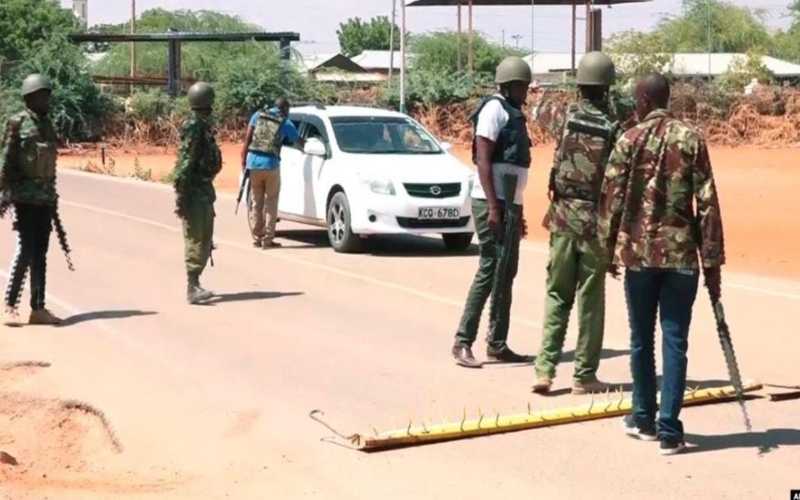
A contingent of Kenyan police officers has arrived in Haiti, marking the first wave of a UN-backed foreign police force aimed at addressing the country's escalating gang violence. The deployment comes nearly two years after Haiti requested international assistance to combat the growing crisis.
"We welcome the arrival of the Kenyan police officers," said a spokesperson for the United Nations Integrated Office in Haiti. "This is a crucial step in the fight to restore security in the Haitian capital and its surroundings and protect the rights of Haitians."
More To Read
- Kenya records over 1,000 homicides as family and community conflicts rise
- Police officers returning from Haiti to be honoured at Jamhuri Day parade
- 230 Kenyan police officers arrive in Port-au-Prince to reinforce UN-backed GSF
- Kenyan police officers in Haiti to return home after year-long deployment
- Record cocaine seizure in Haitian waters underlines country’s ‘pivotal’ trafficking role
- Haiti security forces say era of unchecked gang power is over as crackdown intensifies
The Kenyan officers will face significant challenges, as gangs control an estimated 80 per cent of the capital and have left thousands dead and over 580,000 people homeless. The deployment has been met with mixed reactions, with some Haitians expressing cautious optimism while others recall the controversial UN peacekeeping mission from 2004 to 2017, which was marred by allegations of sexual assault and the introduction of cholera.
Critics argue that the delayed deployment of the foreign force has allowed gang violence to escalate, with coordinated attacks in February targeting key government infrastructure and resulting in the resignation of Prime Minister Ariel Henry.
Despite the new transitional presidential council and the appointment of a new prime minister, gang violence persists. Experts emphasise that addressing socioeconomic factors and reforming the understaffed and under-resourced police department are crucial to tackling the crisis.
The use of Kenyan police has raised concerns among human rights watchdogs, given allegations of abuses, including extrajudicial killings. The UN-administered fund for the mission has received limited contributions, with a significant shortfall in funding.
The UN Security Council has acknowledged the dire security situation, with over 2,500 people killed or injured in the first quarter of this year, and an estimated 1.6 million Haitians facing starvation.
The arrival of the Kenyan police marks a crucial step in addressing the crisis, but long-term solutions will require a comprehensive approach that addresses the root causes of gang violence in Haiti.
Top Stories Today