Cancer care delays hit KNH as key machines breakdown
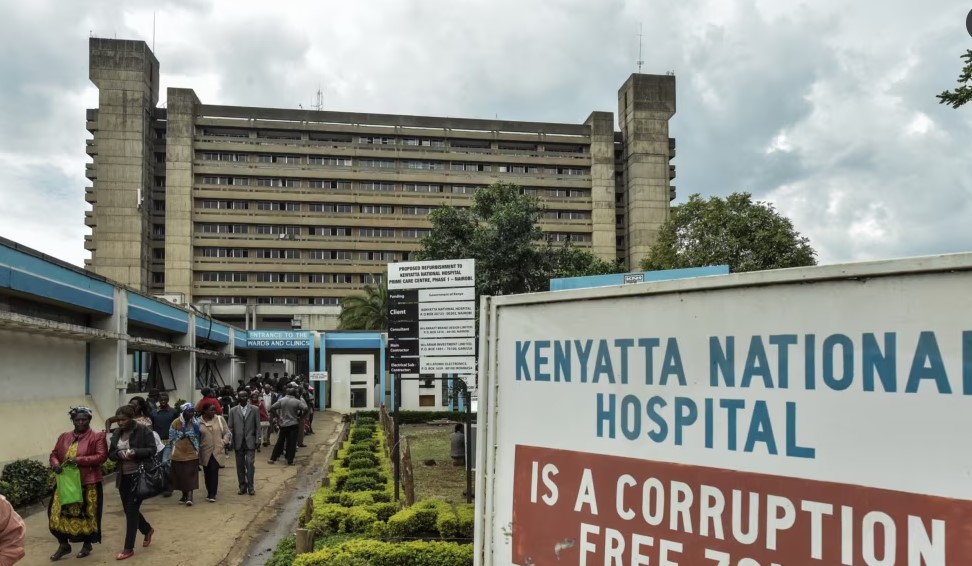
KNH has repeatedly faced difficulties with its Linear Accelerator (Linac) machines, which are essential for administering precise radiotherapy.
Patients seeking cancer treatment at Kenyatta National Hospital (KNH) are experiencing extended delays in radiotherapy, with the average waiting period more than doubling over the past year.
Radiotherapy, which uses focused radiation to eliminate cancer cells and reduce tumour size, now has an average wait of 37 days, up from 18 days the previous year.
More To Read
- Kenya unveils advanced bronchoscopy programme at KNH to strengthen respiratory care
- 10 runners race up Mt Kenya in 10 hours to honour women lost to cervical cancer
- KUTRRH introduces groundbreaking nuclear therapy for advanced prostate cancer
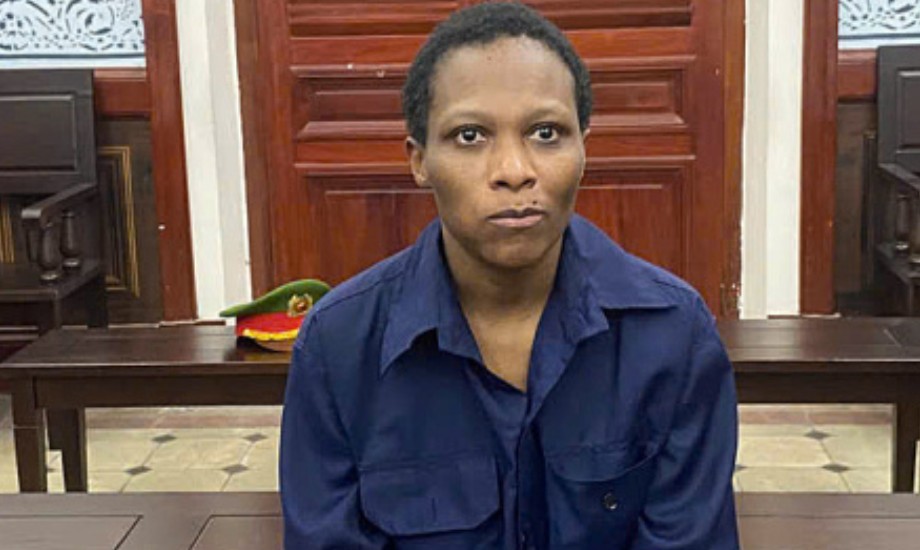
- Suspect in State House GSU Officer’s killing to undergo mental assessment before plea taking
- KNH murder suspect Kennedy Kalombotole to undergo fresh mental assessment
- Over 29,000 Kenyans die of cancer yearly as high costs force them to abandon treatment
This exceeds the hospital’s target of 17 days and highlights ongoing challenges in delivering timely care amid rising patient numbers and frequent equipment breakdowns.
“In the financial year 2022/23 and 2024/25, targets were not met. This was due to frequent equipment breakdown and increased demand for radiotherapy services at the hospital,” the State Department for Medical Services reported to the Treasury.
KNH has repeatedly faced difficulties with its Linear Accelerator (Linac) machines, which are essential for administering precise radiotherapy.
In contrast, chemotherapy services at the hospital showed improvement. The average wait dropped to 2.57 days from three days, well below the target of 12 days.
“Targets met and overachieved. The hospital introduced 24-hour outpatient chemotherapy services as well as the implementation of the patient navigation programme,” the Department said.
However, the total number of oncology sessions combining chemotherapy and radiotherapy fell sharply to 22,873 from 43,216, reflecting the impact of Linac machine failures.
Other specialised services were also affected.
KNH’s cardiothoracic unit reported a decline in heart surgeries to 1,045 from 1,293 due to malfunctions in the image intensifier and cath lab equipment, both of which are critical for surgical procedures.
Delays in radiotherapy are not unique to KNH.
Moi Teaching and Referral Hospital (MTRH) recorded a slight increase in wait times, from 69 to 70 days. Still, the number of external beam radiotherapy sessions grew to 21,482 from 17,014, surpassing the target of 10,150.
“This was attributed to continued scheduling of patients and timely treatment planning, and by operationalisation of the second Linac radiotherapy machines, employment of two more medical physicists, and timely procurement of radiotherapy source,” the State Department said.
Chemotherapy and radiotherapy sessions at MTRH also rose to 1,492 from 1,092, thanks to improved availability of medication and equipment.
At Kenyatta University Teaching, Referral and Research Hospital (KUTRRH), the average wait for radiotherapy improved to 18 days from 60, but remained above the target of 12 days due to high patient volumes.
“The targets were not achieved due to the inability to meet the demand for radiotherapy services. The hospital capacity for radiotherapy (one LINAC machine) is stretched to the maximum,” the State Department reported.
Chemotherapy wait time more than doubled to 14 days from six, and the total number of oncology sessions dropped to 19,561 from 21,640 because of challenges in drug supply.
These figures underline the pressure on Kenya’s public hospitals, where equipment breakdowns and increased patient demand continue to hamper timely access to cancer care.
Despite efforts to expand service hours and improve patient navigation, hospitals are struggling to maintain consistent treatment levels, highlighting the urgent need for more resources and functional equipment.
Top Stories Today