Ghana issues rare rebuke over Tanzania’s post-election violence
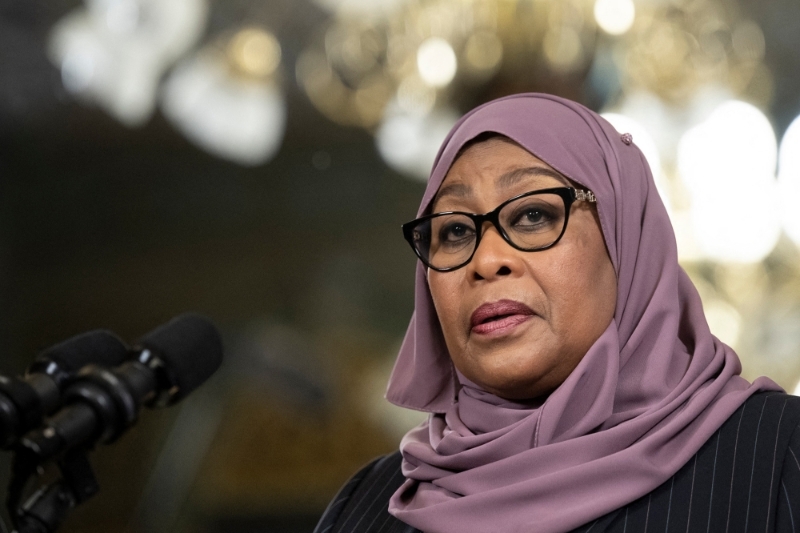
Ghana’s foreign ministry has issued a rare public rebuke of Tanzania over post-election violence, urging accountability, due process and protection of civic freedoms amid rising regional unease.
Ghana has issued a rare reprimand over the deteriorating political and human-rights situation in Tanzania, following the October post-poll violence.
In a statement by the country's foreign ministry, Accra said it viewed the unfolding crisis with "great concern" and urged Tanzanian authorities to curb impunity, ensure accountability, and restore constitutional order.
More To Read
- Tanzania dispatches envoy to Brussels to avert Sh23.3 billion EU aid freeze
- European Parliament moves to block Sh23.44 billion aid to Tanzania after post-election violence
- US Senate Committee on Foreign Relations calls for probe into Tanzania election violence
- Tanzania cancels Independence Day celebrations amid outrage over alleged killings
- President Samia warns disputed election tainted Tanzania’s reputation, urges local resource mobilisation
- US senators call for review of Washington’s ties with Tanzania after deadly polls
Accra expressed condolences to the families of the victims and called for an impartial investigation into the violence, insisting that those detained as well as alleged perpetrators must be afforded due process under international human-rights law.
Ghana also reminded Tanzanian authorities of their obligations to protect civic freedoms, including the rights of protesters, and urged security forces to exercise restraint.
As a member of the UN Human Rights Council, Ghana aligned itself with calls from the African Union, the Commonwealth and the United Nations for transparency and accountability in the aftermath of the contested vote.
The statement stressed that a "fair, inclusive and equitable process" was essential to preventing further instability.
Ghana's intervention is striking.
African governments rarely censure one another publicly. The continent's unwritten diplomatic code has long been non-interference first, solidarity second.
However, the statement, diplomatic yet unmistakably sharp, signals a growing unease among regional actors as images of street clashes, deaths and mass arrests continue to circulate.
Top Stories Today