Parliament to debate Bill ending private settlements in SGBV cases

The Bill’s introduction has reignited national debate over how best to protect victims, prosecute offenders, and ensure that justice is delivered without compromise.
The National Assembly is set to debate a new law that would close loopholes allowing sexual offence cases to be settled privately.
The proposed Sexual Offences (Amendment) Bill, 2025, aims to ensure that all individuals accused of sexual crimes are prosecuted through the courts, eliminating informal settlements that have often denied victims justice.
More To Read
- KNCHR raises alarm as over 100 femicide cases recorded in three months
- 16 days of activism: Strengthening protection against gender-based violence
- Violence against women and children is deeply connected. Three ways to break the patterns
- Man charged with schoolgirl’s murder shocks court, seeks plea deal
- Why a woman is killed every 10 minutes; the rising wave of global femicide
- 16 days global campaign spotlights growing threat of gender-based violence
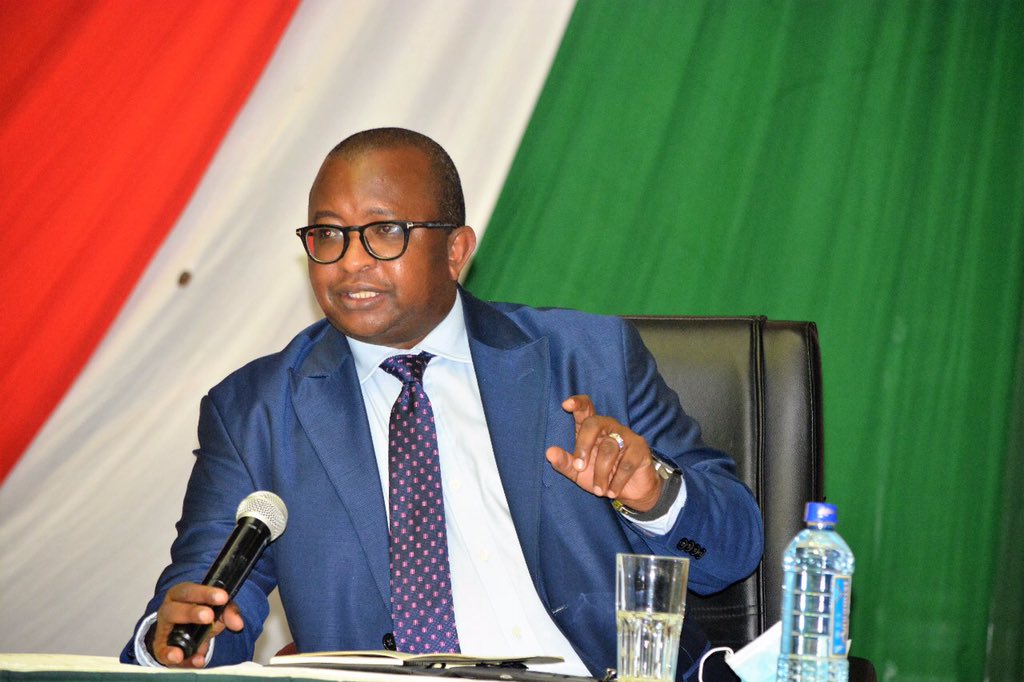
The Bill, introduced by Garissa Woman representative Udgoon Kuno, introduces a single but crucial change to existing legislation.
It states, “Notwithstanding any other written law, the offences specified under this Act shall be prosecuted exclusively through the judicial system.”
It also specifies, “Any agreement, settlement, or process purporting to dispose of offences under this Act outside the formal judicial process shall be void and of no legal effect.”
If enacted, the legislation would bring an end to a long-standing practice where perpetrators of sexual offences negotiate directly with victims or their families to avoid criminal prosecution.
Such arrangements often involve community leaders or elders and can be influenced by wealth, status, or pressure, leading to withdrawal of complaints and a lack of formal justice.
Udgoon emphasised that the amendment is designed to “strengthen the legal framework governing the prosecution of sexual offences in Kenya”.
“The Bill seeks to ensure that offences specified under the Sexual Offences Act are adjudicated exclusively through formal judicial processes,” she added.
The proposed law also seeks to protect victims from processes that undermine justice and morality.
“It is to ensure that justice is administered in a manner consistent with the constitution,” Udgoon stated in the Bill’s explanatory memorandum.
Under the current law, the Director of Public Prosecutions (DPP) has the authority to decide whether investigations into sexual offences should continue.
The amendment would remove any possibility for the DPP or other authorities to accept alternatives to a full trial, reinforcing the principle that such crimes must be fully prosecuted.
While the Constitution permits alternative dispute resolution, it prohibits traditional systems from being used in ways that violate the Bill of Rights.
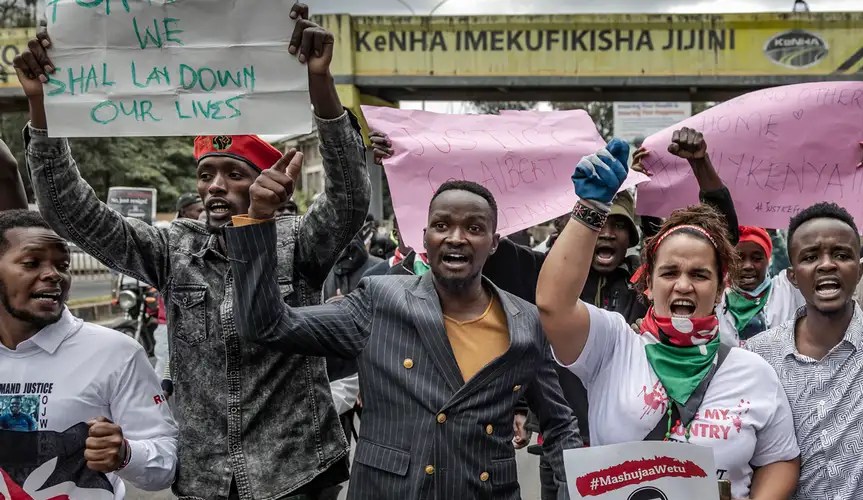
Gender and human rights groups have criticised private settlements for sexual offences, arguing that they perpetuate a culture of impunity and subject victims to unfair and biased processes.
Cases have been reported where evidence has been tampered with or even disappeared when families refused to cooperate with informal agreements.
Chief Justice Martha Koome, in a statement last September, described sexual offences as crimes against humanity.
She called on all citizens to uphold the law, noting that such acts are unacceptable not only legally but also morally and culturally.
The Bill’s introduction has reignited national debate over how best to protect victims, prosecute offenders, and ensure that justice is delivered without compromise.
MPs and advocates alike argue that ending out-of-court settlements is a crucial step toward accountability and safeguarding human rights.
Top Stories Today