Ethiopia's election body suspends TPLF amid wrangles over control of party that administers Tigray region
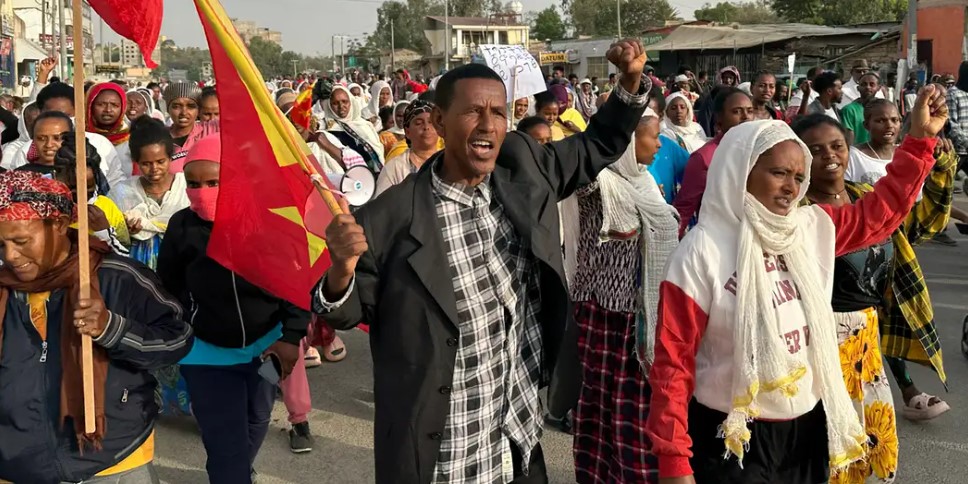
Analysts fear the deepening rift could spill over into violence, further destabilising Africa's second-most populous country.
Ethiopia's national elections body on Thursday imposed a three-month suspension on a party that administers the war-scarred Tigray region, saying it had breached laws governing its internal affairs.
The Tigray People's Liberation Front (TPLF) had failed to organise a general assembly of its members, hold elections for its party officials or approve its bylaws, the National Election Board of Ethiopia said in a statement.
More To Read
- Faith under fire: How social media fuels rising attacks on religions, followers in Ethiopia
- Daua Dam, irrigation masterplan gain momentum after high-level talks in Nairobi
- Kenya steps up border checks as Ethiopia confirms outbreak of Marburg Virus Disease
- Technology of freedom, risk of violence: Digital divide facing women in post-war Tigray
- Cultural victory as Ethiopia recovers 12 artefacts taken to Germany in the 1920s
- ONLF accuses Ethiopia of breaching 2018 peace deal as Somali Region tensions rise
The party has been unable to conduct internal elections because of a split into two factions, with each laying claim to control of the party.
The election board supervises the conduct of political parties in addition to conducting elections.
Why it's important
The TPLF runs Tigray's interim administration, established in 2023 as part of a peace agreement that ended a devastating war between Tigrayan forces and the federal government.
The two-year war ended with a truce signed in November 2022 after tens of thousands of people were killed and millions forced from their homes in northern Ethiopia.
But tensions arose over the implementation of the peace deal, leading to a split within the TPLF.
Analysts fear the deepening rift could spill over into violence, further destabilising Africa's second-most populous country, which is already plagued by conflicts in the Amhara and Oromiya regions.
Representatives of both factions did not respond to requests for comment
Top Stories Today