Africa’s coups surge: From failed attempts to full military takeovers since 2020
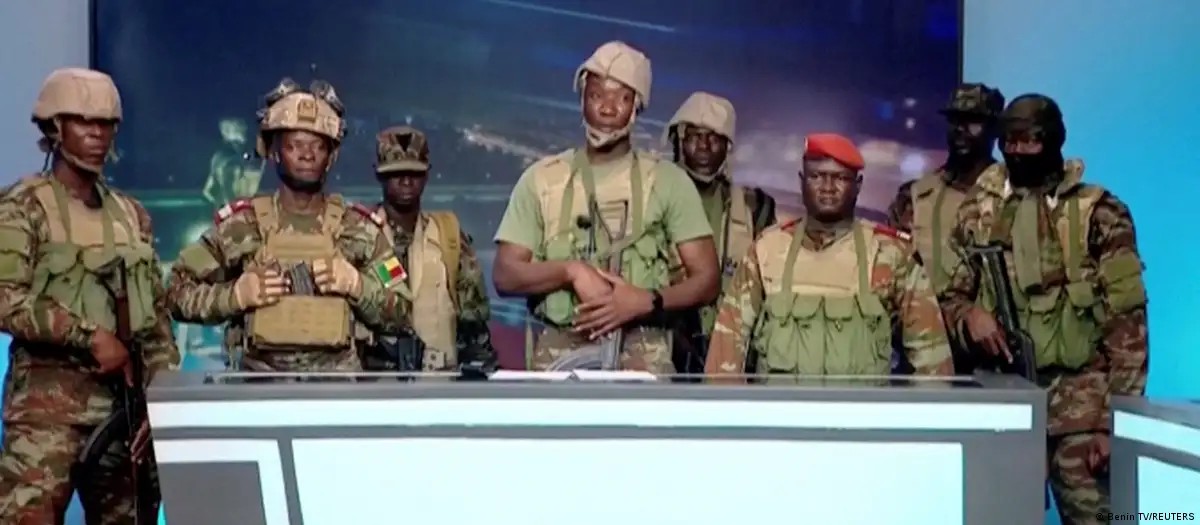
Benin’s government says it foiled an attempted coup in Cotonou after soldiers briefly claimed to oust President Patrice Talon, highlighting growing instability across Africa’s expanding ‘coup belt’.
Benin’s government confirmed on Sunday that an attempted coup had been foiled after a group of soldiers briefly appeared on state television claiming to have removed President Patrice Talon. Loyal security forces swiftly regained control, and authorities said the constitutional order remains intact.
The failed seizure in Cotonou comes amid growing political unrest in West Africa, following last month’s parliamentary approval to extend the presidential term from five to seven years.
More To Read
- From Mali to Benin: Africa faces surge of coups as unrest spreads
- African Union condemns failed Benin coup, demands immediate return to constitutional order
- Benin President Patrice Talon survives coup attempt as loyal forces take charge of capital
- Benin's armed forces foil attempted mutiny, says interior minister
- Africa’s rapid drone expansion promises high-tech warfare but struggles to achieve strategic results
- Kenya, Benin ink agreement allowing six months visa-free visits
Critics argue the change consolidates executive power ahead of next year’s presidential election, in which President Talon’s chosen successor, Finance Minister Romuald Wadagni, faces only a single opponent after the main opposition candidate was disqualified.
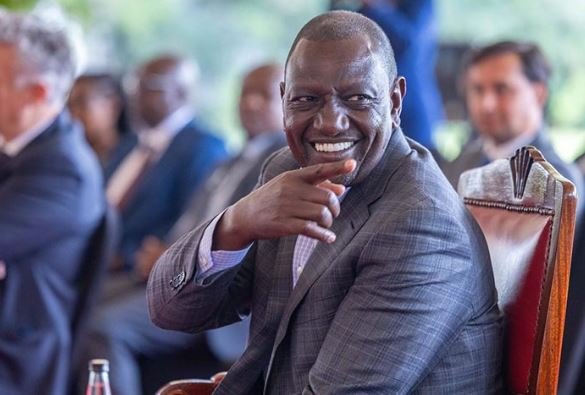
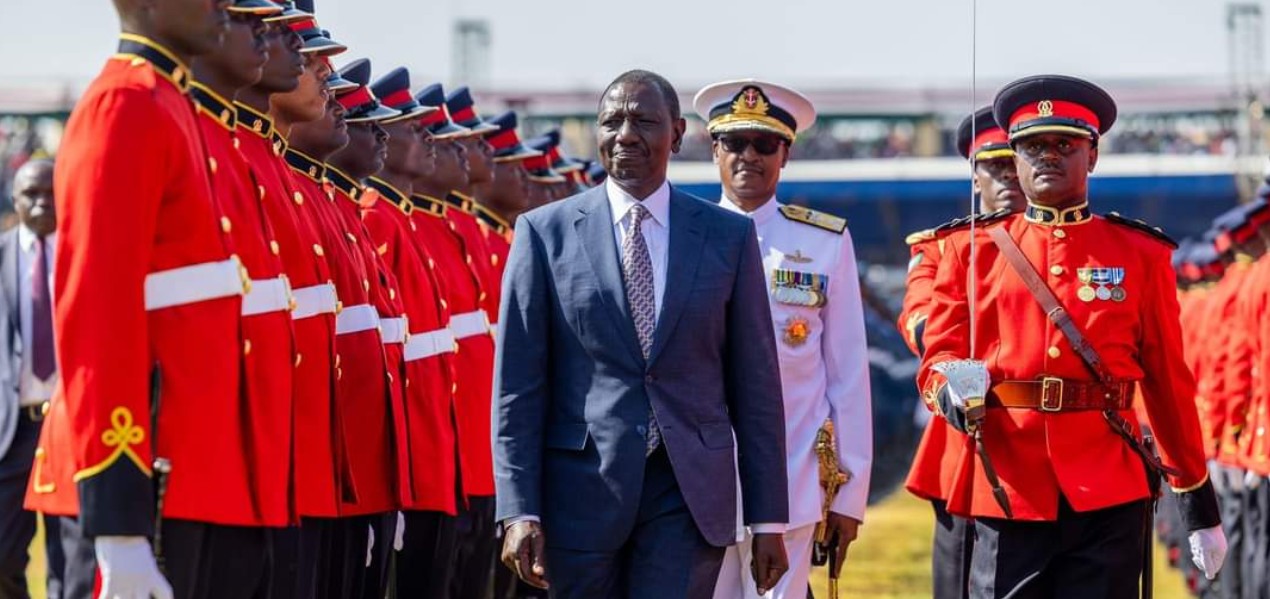
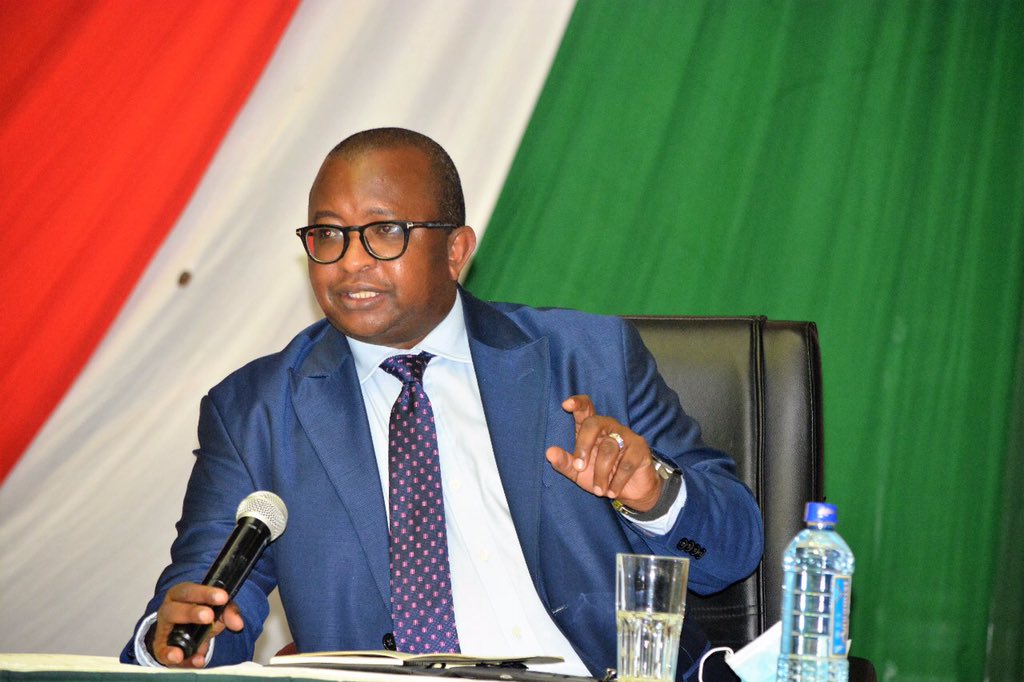
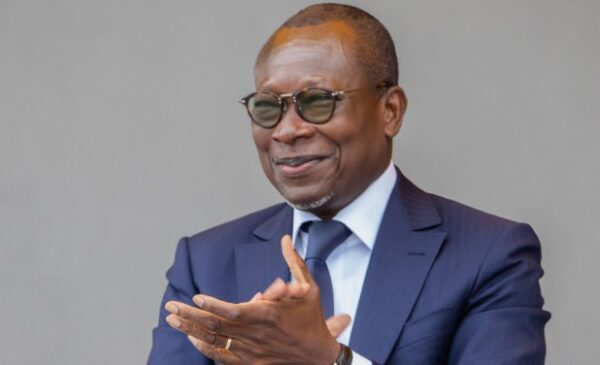 Benin's President Patrice Talon who has survived a coup attempt. (Photo: Handout)
A continent under pressure
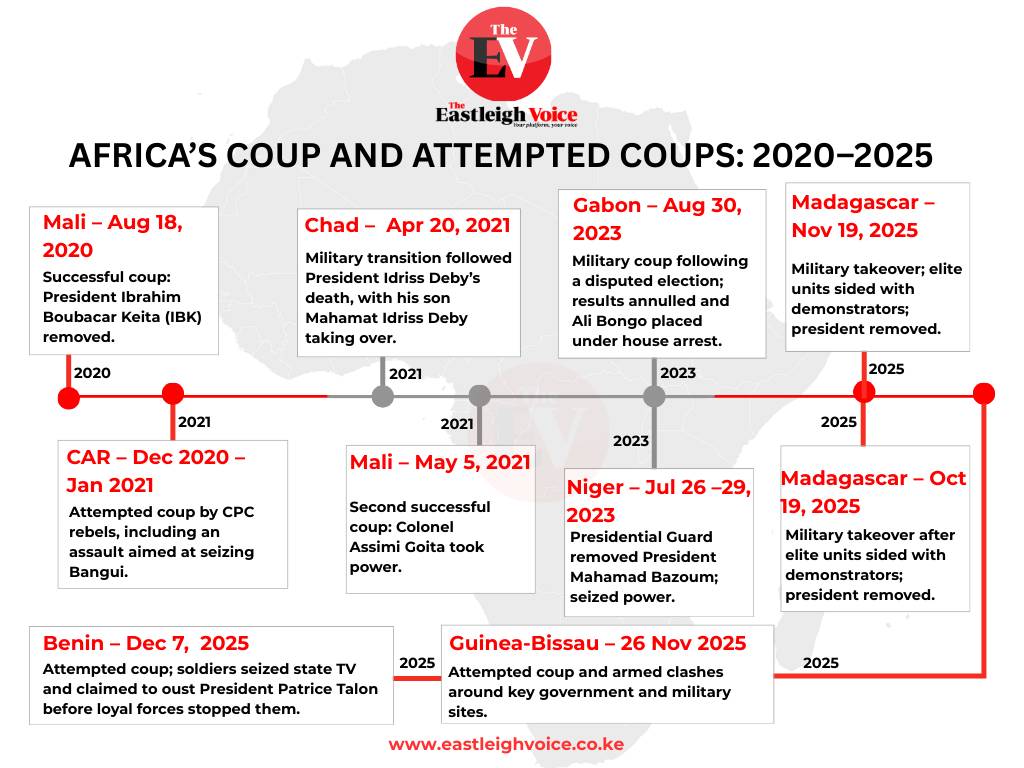
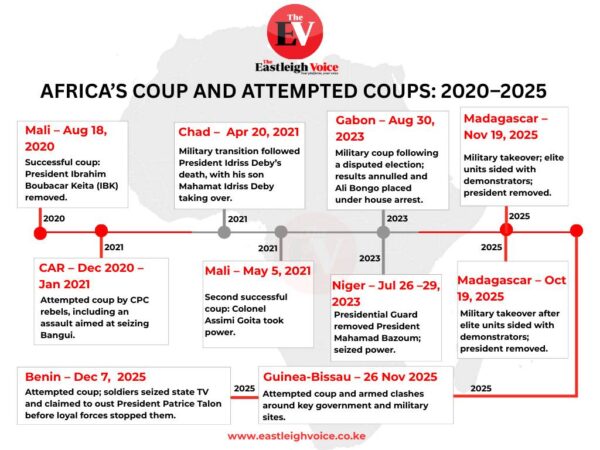
Benin’s attempted coup is the latest in a series of military takeovers and foiled attempts across Africa over the past five years.
Since 2020, several countries have witnessed successful coups, while others have experienced thwarted attempts or insurgent-led assaults on political power.
• Mali experienced two coups in less than a year. On 18 August 2020, President Ibrahim Boubacar Keïta was removed by soldiers, and in May 2021, Colonel Assimi Goïta ousted the interim president and prime minister to assume the presidency.
• Chad saw a rapid military transition after President Idriss Déby was killed on the battlefield on 20 April 2021. His son, Mahamat Idriss Déby, led the Transitional Military Council.
• Guinea (September 5, 2021) and Sudan (October 25, 2021) also experienced successful military takeovers, with special forces in Conakry and the army in Khartoum detaining incumbent leaders.
• Burkina Faso was struck twice in 2022: first in January, when President Roch Marc Christian Kaboré was removed, and again in September, when Captain Ibrahim Traoré ousted his predecessor, Lt-Col Paul-Henri Sandaogo Damiba.
• Niger (July 2023) and Gabon (August 2023) experienced coups following contested political environments, while Madagascar (October 2025) and Guinea-Bissau (November 2025) saw military interventions amid political crises.
Understanding the “coup belt”
The term “coup belt” has emerged among analysts, diplomats, and security experts to describe a stretch of African states—mainly across the Sahel and parts of West and Central Africa—that have experienced repeated military takeovers, attempted coups, and chronic political instability in recent years.
This corridor runs roughly from Guinea on the Atlantic coast, through Mali, Burkina Faso, Niger, and Chad, and extends towards the Central African Republic and parts of the Gulf of Guinea. Since 2020, this zone has witnessed more coups than any other region in the world.
Why this region? Key drivers behind the “coup belt”
1. Weak democratic institutions
Many countries in the belt struggle with fragile political systems, delayed transitions, and constitutions vulnerable to manipulation by leaders seeking extensions of power. Weak checks and balances make governments prone to abrupt military intervention.
2. Persistent security crises
The Sahel is home to active insurgencies, including jihadist groups linked to al-Qaeda and ISIS. Militaries who feel unsupported or overstretched often justify power grabs as necessary for “restoring security.”
3. Economic hardship and public discontent
Recurring droughts, food insecurity, unemployment, and inflation have intensified frustration among populations, creating environments where soldiers can gain public sympathy by promising reforms.
Is the coup belt expanding?
The 2025 attempted coup in Benin and the successful takeover in Guinea-Bissau suggest that instability may be pushing southwards toward coastal states.
Analysts warn that, without stronger institutions, transparent elections, and improved security cooperation, the coup belt may widen further in the coming years.
Top Stories Today