African countries take lead in push toward universal health coverage for 1.5 billion people by 2030
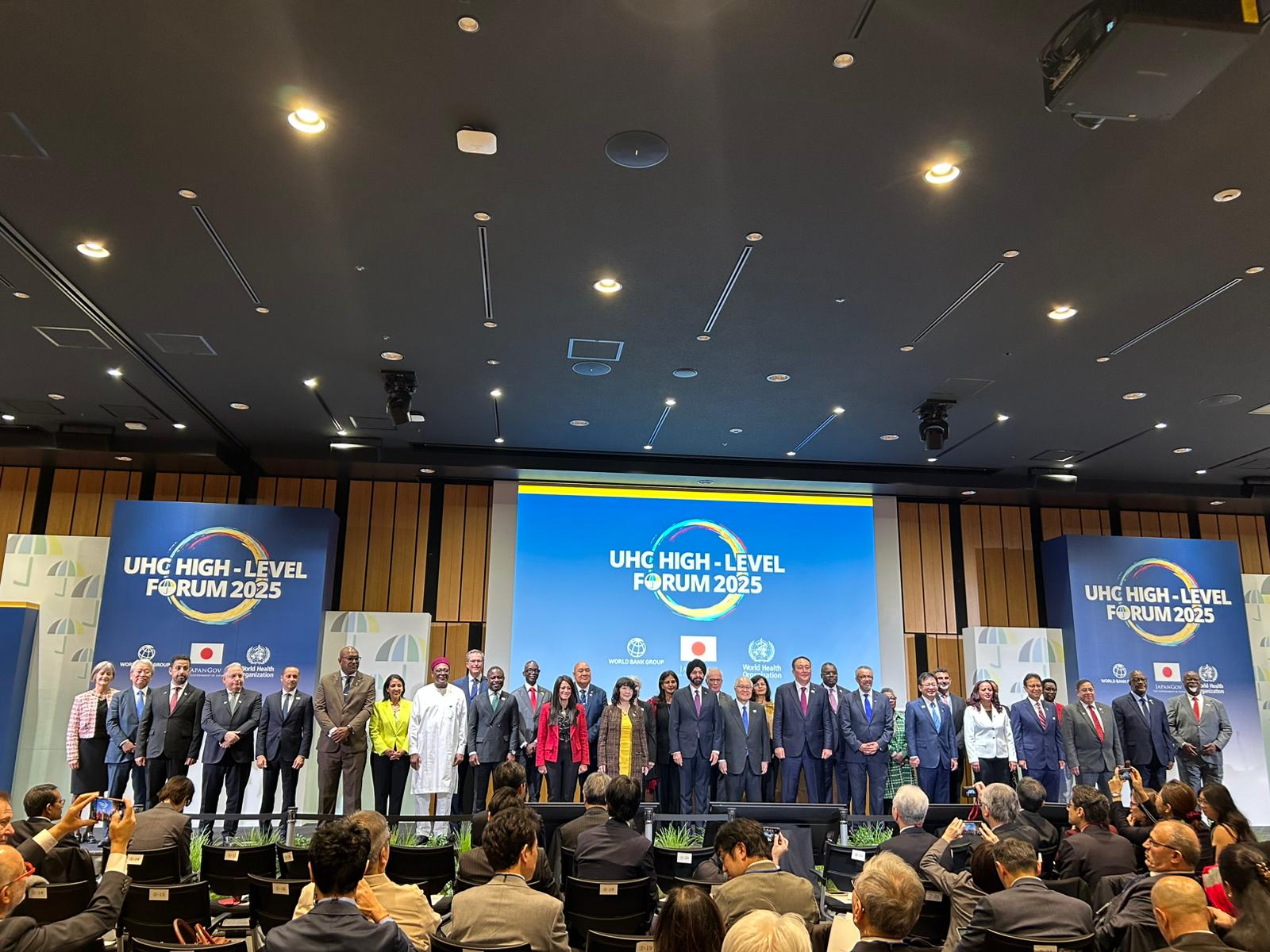
At the forum, an additional 15 National Health Compacts, country-led, five-year reform plans that align health and finance institutions behind measurable goals, were introduced.
Progress toward the World Bank Group’s goal of helping deliver affordable, quality health services to 1.5 billion people by 2030 took a major step forward on Saturday, December 6.
This is as governments gathered at the Universal Health Coverage (UHC) High-Level Forum in Tokyo to push forward provision efforts.
More To Read
- Developing countries’ debt servicing cost hit 50 year high on high interest
- African land policy reforms benefit women and communities, but 18-country review reveals key gaps
- Why mastering Generative AI is the fastest way to boost your career and salary
- Africa’s agricultural exports are losing ground: Four key interventions that could lift sector again
- World Bank sounds alarm as Kenya’s labour market weakens, wages fall and informal jobs surge
- World Bank upgrades Kenya’s growth outlook to 4.9 per cent, warns of elevated risks
The lender says countries and partners have already reached 375 million people since the target was set in April 2024, with momentum accelerating through new national health reform commitments.
At the forum, an additional 15 National Health Compacts, country-led, five-year reform plans that align health and finance institutions behind measurable goals, were introduced.
Seven African nations featured prominently among the adopters, unveiling ambitious strategies to expand primary health care, improve affordability, and build job-rich health systems.
The Compacts were presented as part of efforts to scale proven reforms across roughly 45 countries now working with the World Bank Group to strengthen their health systems.
The forum coincided with the release of the 2025 Global Monitoring Report, which underscores the urgency of coordinated reform.
Data from the report reveals that 4.6 billion people globally lack access to essential health services, and 2.1 billion face financial hardship from medical expenses.
Speakers warned that ageing populations, rising chronic disease and fiscal constraints are stretching health systems, making long-term investment in primary care more critical than ever.
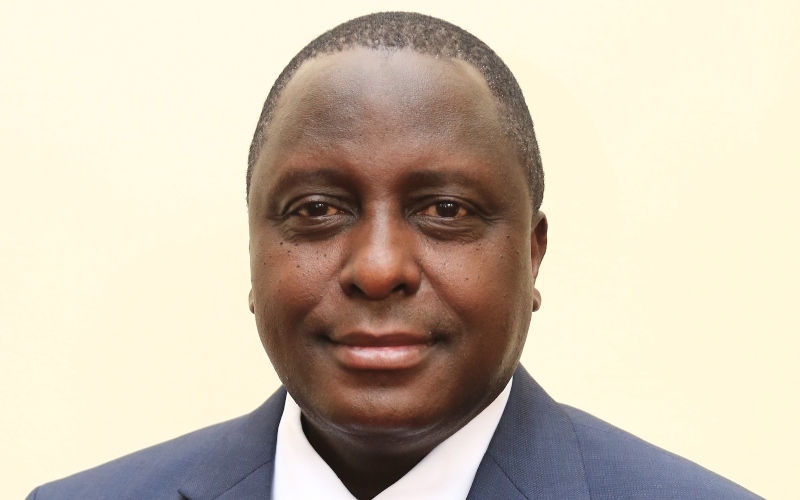
“Strong primary health systems do more than safeguard health; they support jobs and economic opportunity,” said World Bank Group President Ajay Banga.
“Countries are stepping forward with clear priorities, and we are working alongside them to deliver practical solutions at scale. When efforts align behind what works, impact grows.”
Across Africa, governments used the platform to outline how the new Compacts will help them expand care and protect households from high out-of-pocket costs.
Sierra Leone committed to ensuring every citizen can reach a quality primary care facility within five kilometres, backed by plans to construct 300 new clinics and equip 1,800 existing ones with solar power and digital connectivity.
Ethiopia announced that at least 40 per cent of its primary health centres will be equipped with digital tools to support clinical care and workforce management, a key step in strengthening service delivery and efficiency.
East African countries also made notable financial commitments aimed at reducing inequality in access to care.
Kenya pledged to double public health spending over five years to reach five per cent of GDP, a move expected to expand social health insurance coverage from 26 per cent to 85 per cent, with full subsidies for vulnerable populations.
In North Africa, Morocco announced plans to extend mandatory health insurance to an additional 22 million people as part of its broader overhaul of national health protection.
West Africa, meanwhile, highlighted efforts to build domestic health-product manufacturing capacity.
Nigeria, for instance, outlined a multi-pronged strategy that includes training 10,000 pharmaceutical and biotech professionals, establishing Centres of Excellence, and offering tax incentives to expand local production of vaccines, diagnostics, medicines and health technologies.
To support implementation of these compacts, the lender and other major global health partners announced a set of financing and technical-assistance commitments.
The Bank, Gavi, and the Global Fund unveiled aligned financing, including $2 billion (Sh259.6 billion) in co-financed operations.
Additionally, philanthropic partners working through the Global Financing Facility and the Health Systems Transformation and Resilience Fund plan to mobilise up to $410 million (Sh53.2 billion).
Top Stories Today