Uganda signals possible social media shutdown ahead of 2026 polls
As Uganda heads toward its 2026 elections, the prospect of restricting online platforms highlights growing fears over political stability, freedom of information, and public safety during sensitive periods.
Uganda’s authorities are mulling imposing strict controls on internet use, including the possible blocking of major social media networks, if the spread of false election information continues.
The Acting Secretary-Commissioner of the Electoral Commission, Ronald Kamugisha, revealed the potential measures on Friday while speaking to reporters in Kampala.
More To Read
- UN Rights Chief raises alarm over abductions, enforced disappearances in Uganda ahead of elections
- Uganda opposition candidates present policies as Museveni skips live presidential debate
- Uganda: One dead, several injured in Iganga campaign violence
- Uganda stops granting refugee status to nationals from Ethiopia, Somalia and Eritrea
- Ugandan police accuse NUP supporters of attacking officers at Bobi Wine rally
- Kenya dismisses war fears as Mudavadi quashes claims of Uganda ‘overrunning’ the country
Platforms under review include TikTok, YouTube, Facebook, X (formerly Twitter), and Instagram, all of which could face restrictions ahead of the general elections scheduled for mid-January 2026.
The announcement comes amid rising tension in the country, bringing back memories of the widespread social media shutdown that occurred just before the 2021 polls, a measure that still affects Facebook access today.
Kamugisha said the decision followed recent consultations between African electoral authorities and representatives from leading social media companies held in Benin.
The discussions centred on the failure of these platforms to effectively manage content that could destabilise the electoral process.
“We pointed out to them that our governments have been left with no choice when some of these things happen, other than shutting down the internet altogether,” Kamugisha said.
The Commissioner accused the companies of “creating a monster that they could not regulate properly” and said they did not provide adequate support when problems escalated, forcing governments to take extreme action.
The potential for a complete internet shutdown raises serious concerns.
Experts point to the experience in neighbouring Tanzania during the October elections, when authorities cut off online access, triggering violent incidents.
Reports indicated that security forces used lethal methods against youth-led protests once the internet was restored.
Investigations suggest that at least 700 people were extrajudicially killed, with additional reports claiming that bodies disappeared from morgues and that some remains were either burned or buried in mass graves.
Adding to the tense political landscape, Uganda’s Electoral Commission on Tuesday set January 15 as the date for the country’s general election.
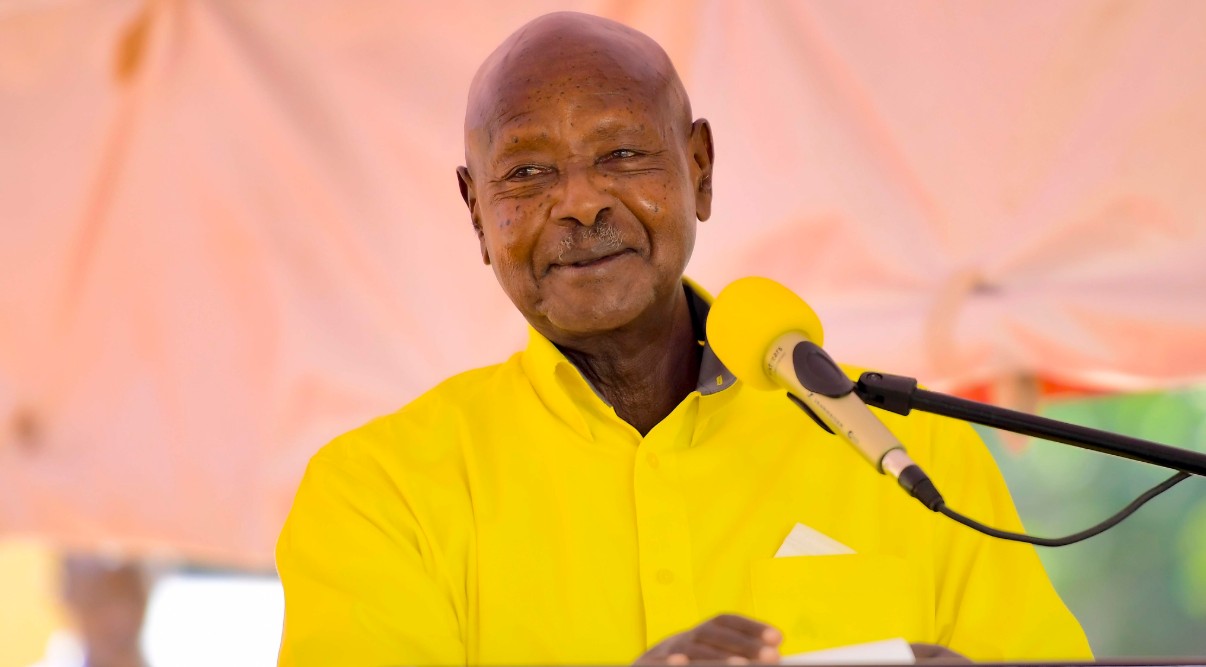
The incumbent, President Yoweri Museveni, Africa’s fourth-longest-serving leader, will seek to extend his rule to nearly half a century. Museveni has overseen two constitutional changes to remove age and term limits, enabling him to remain in power since 1986.
As in the 2021 election, Museveni’s main challenger is expected to be 43-year-old pop star-turned-politician Bobi Wine, who has leveraged his music career to build a strong support base among young voters.
Wine, whose real name is Robert Kyagulanyi, claims Museveni won the last election through ballot-stuffing, voter intimidation, bribery, and other rigging tactics.
Ruling party officials reject these allegations, insisting Museveni’s previous victory reflected genuine popular support.
Six additional candidates from smaller parties are also contesting the upcoming presidential race, and voters will simultaneously elect members of parliament, making the polls a key test of Uganda’s political stability.
Top Stories Today