President Ruto pitches National Infrastructure Fund as engine for long‑term growth
President William Ruto has signed a new law overhauling Kenya’s state corporations and anchoring a National Infrastructure Fund to channel privatisation proceeds into long-term public projects and attract private capital.
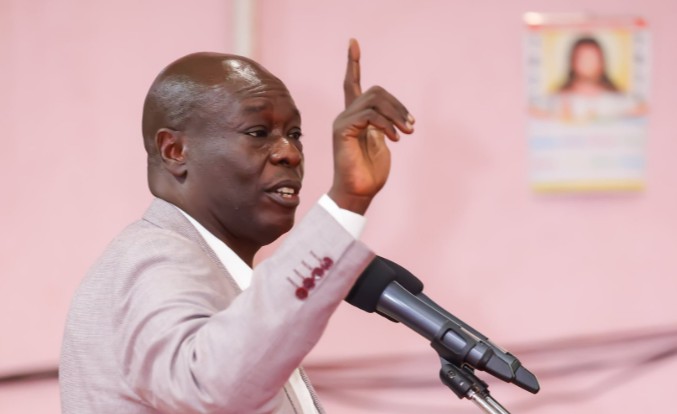
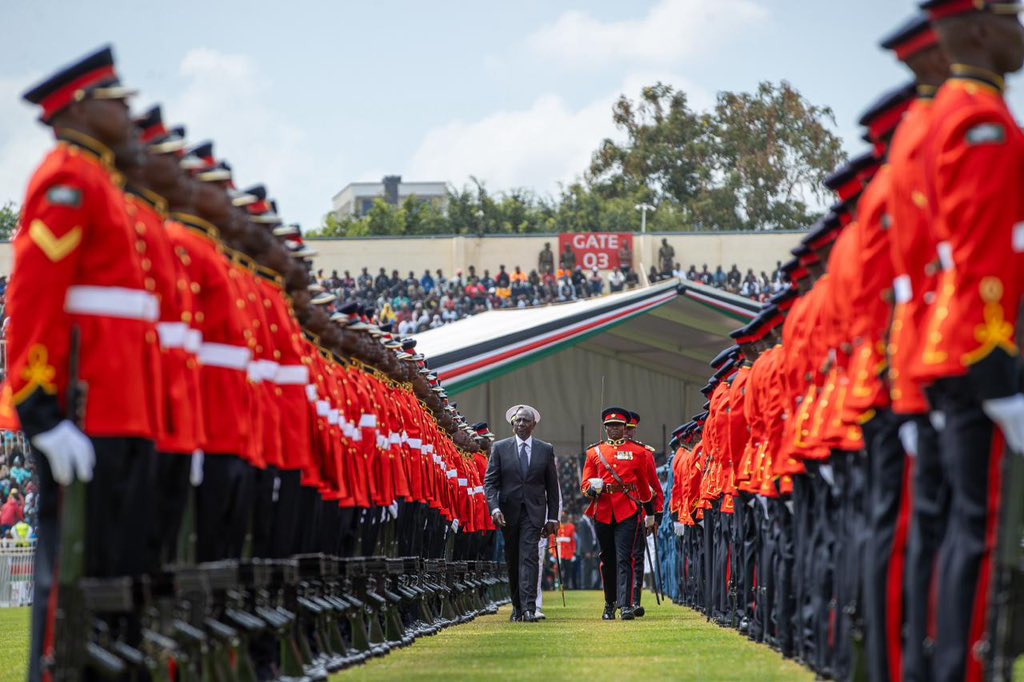
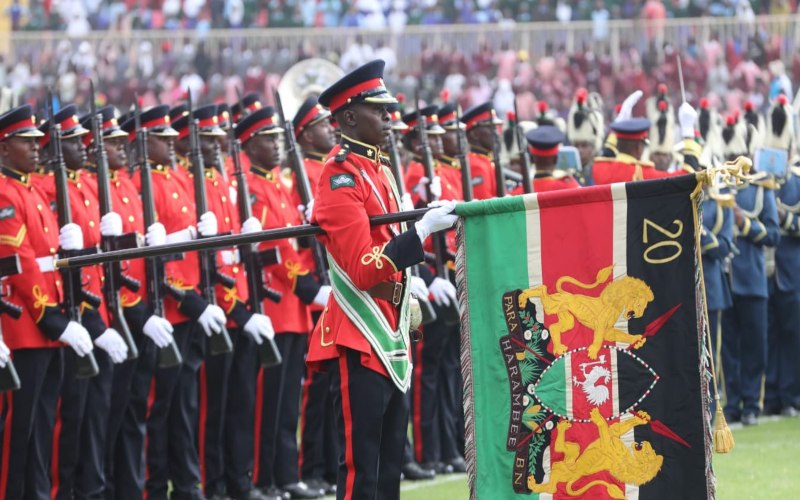
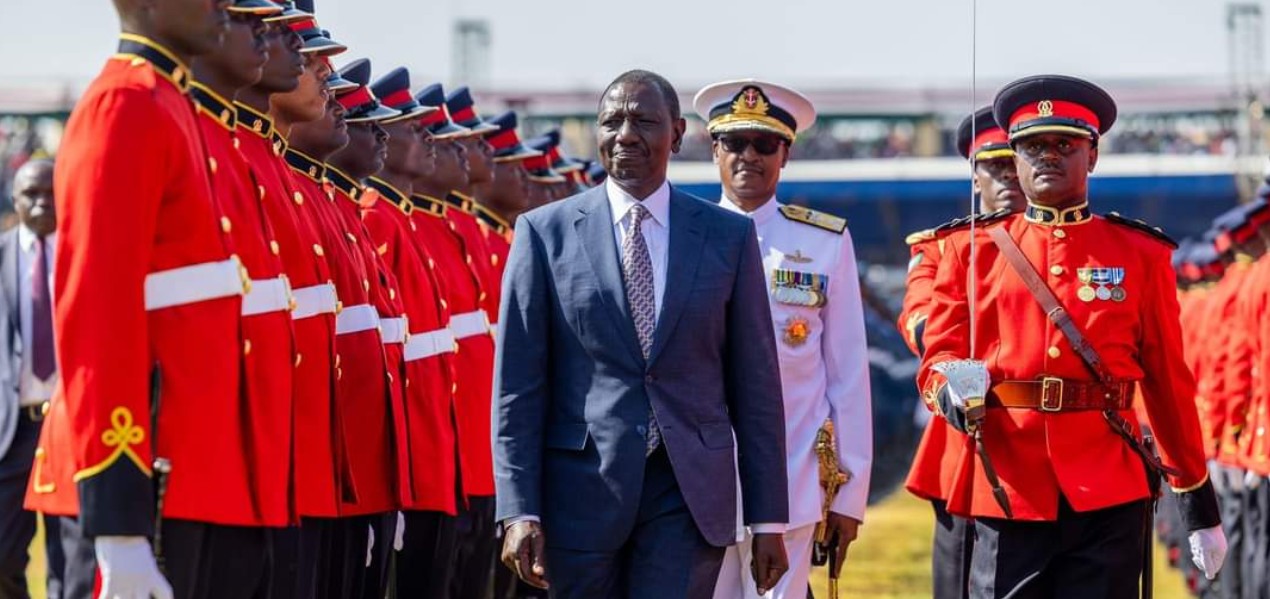
Kenya’s push to overhaul the way public agencies are run took centre stage during Jamhuri Day celebrations, with President William Ruto outlining a new phase of reforms he said will rebuild state corporations and strengthen the country’s development path.
Ruto explained that the recent changes mark a clear break from old practices and are meant to ensure public assets are run professionally and in the interest of citizens.
More To Read
- Parallel statements expose deepening rift in 'United Opposition'
- World Bank warns political interference weakening Kenya’s state-owned enterprises
- Government targets Kenyan travellers in Jamhuri Week drive to revive tourism sector
- Women secure majority of contracts in inclusive government procurement programme
- Treasury CS John Mbadi defends ballooning State House budget
- Ndindi Nyoro questions government’s decision to sell 15 per cent Safaricom stake
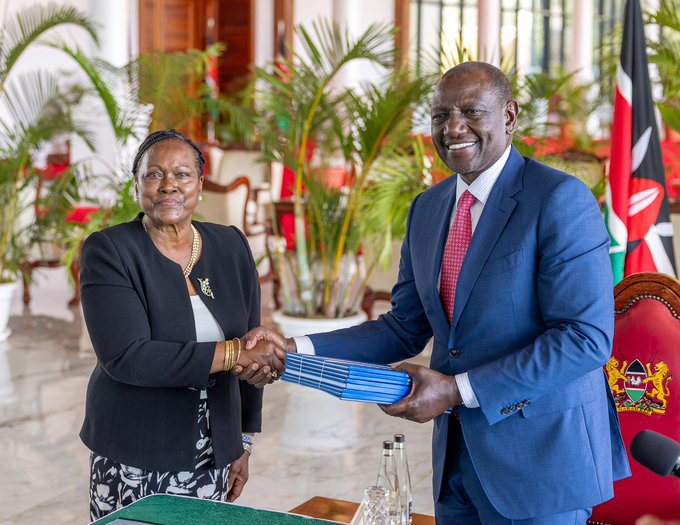
He said he signed the Government-Owned Enterprises law three weeks ago, calling it the widest reform of state corporations since independence.
The Head of State noted that the new law is designed to “revolutionise the management and governance of state-owned enterprises” by introducing merit-based and independent selection of board members and linking leadership to results.
Ruto said the country had struggled for years with weak governance systems in many agencies, adding that the legislation aims to end what he described as a past culture of “cronyism and patronage.”
According to the President, “The passage of this law ends the era of cronyism and patronage in state-owned enterprises.”
The new law bars anyone who has occupied a public or political office within the last five years from serving on the boards of these enterprises.
Ruto said this requirement will help ensure appointments are based on skill rather than influence.
The President said the government will take the next step under the new framework when the Cabinet meets to consider the structure of the National Infrastructure Fund.
He described the fund as the vehicle that will match the country’s financial resources with its development needs.
Going further, Ruto explained that through “innovative mobilisation of domestic resources, strategic monetisation of mature national assets, democratisation of ownership through capital markets, and innovative deployment of national savings,” the government plans to draw in more private capital for national development while easing the load on taxpayers.
Treasury Cabinet Secretary John Mbadi earlier said the country will form a professionally run company to manage the National Infrastructure Fund under the same law.
In an interview on Wednesday, he said the company will take charge of delivering commercially viable roads, dams and energy projects while ministries focus on policy.
He noted that investors such as pension funds and insurers want efficiency and assured returns, adding that delays have discouraged investment for years.
“Government is not in the business of doing business. It should simply facilitate,” he said, explaining that the new structure will allow the company to design, cost, fund and execute viable projects, with the government only giving seed capital before private players join in.
Other Topics To Read
Ruto said Kenya had for many years privatised major state assets such as Kenya Airways, KenGen, Kenya Re and Safaricom, but the money raised ended up in the national budget, mainly paying salaries and debt, leaving nothing that could grow value for the country.
The new fund intends to change this by setting strict rules on how proceeds from privatisation are used.
He said all funds from ongoing and future privatisation processes will be channelled directly into the National Infrastructure Fund and ring-fenced for public infrastructure projects that create long-term value.
Ruto said this will ensure “national assets create lasting public value.”
The President also pointed out that the fund is expected to draw strong private-sector interest, noting that the structure is set to attract investments far beyond the government’s initial input.
During the launch of the Tsavo West Rhino Sanctuary this week, he said the new plan will help the country finally actualise long-delayed projects.
“For a long time, we have had many plans, but we could not actualise them because we lacked a strategy to secure the required financing. But now we have a new framework to fund our plans,” he said.
Ruto said the goal is to use each shilling in the infrastructure fund to attract ten more from long-term investors, including pension funds, sovereign partners, private equity funds and development finance institutions.
He noted that the National Infrastructure Fund will serve beyond being a financing option, describing it as “a generational strategy to mobilise capital, accelerate delivery, preserve value and secure Kenya’s long-term competitiveness.”
Top Stories Today