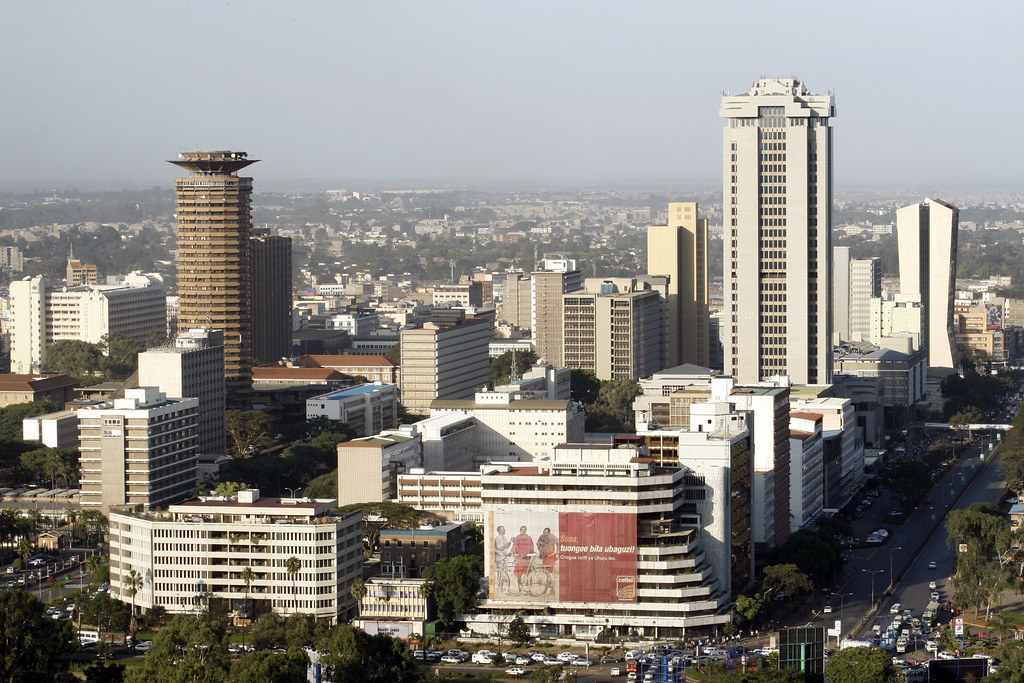
The government has set aside Sh1.1 billion to speed up the rollout of artificial intelligence-powered traffic lights and surveillance cameras in Nairobi, in a bid to ease the capital’s worsening congestion and reduce reliance on police officers at busy intersections.
The technology will rely on an integrated digital system that captures live traffic data and relays it to a central control centre for instant decision-making on signal changes.
Budget documents tabled in the National Assembly indicate that the State plans to spend Sh1.18 billion in the next financial year on Phase III of the Nairobi Intelligent Transport System (ITS), a significant jump from the current allocation of Sh116.1 million.
The funding will go towards installing smart intersections fitted with cameras and sensors designed to analyse traffic patterns in real time and ease congestion across the city. The system will use artificial intelligence to count vehicles and passengers, track movements such as turns and traffic violations, and transmit live data to a central command centre at City Cabanas along Mombasa Road.
The project is being implemented by the Kenya Urban Roads Authority (KURA). It is designed to mirror smart traffic systems used in global cities such as Singapore and London, where AI-driven signals and sensor-based monitoring help manage congestion.
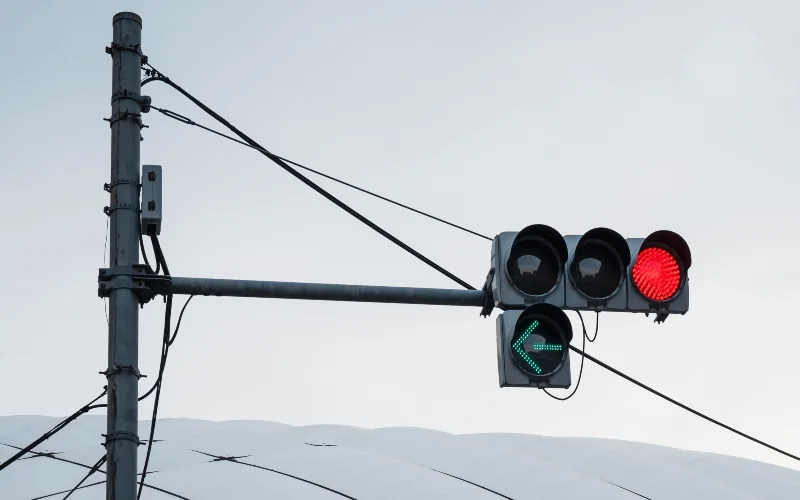
Under the plan, Nairobi will deploy intelligent traffic lights capable of automatically adjusting signal timing depending on congestion levels at specific junctions, replacing the current manual control system.
Part of the financing will come from a concessional loan of $185 million (Sh23.9 billion) signed between Treasury Cabinet Secretary John Mbadi and the Export–Import Bank of China in November 2025. Budget documents show that about Sh1.1 billion will be sourced externally, while the government will contribute Sh75 million from the exchequer.
“The third phase of ITS marks the full integration of Nairobi’s traffic ecosystem. It will encompass 125 intersections, linking them to the central control system at Cabanas,” KURA said in project documents.
The expansion is expected to support the rollout of the system to more junctions, with the government targeting 20 per cent completion in the 2026/27 financial year starting in July. This will rise to 50 per cent in 2027/28, before full completion in 2028/29.
Treasury projections show the State intends to spend at least Sh5.3 billion over the next three financial years, signalling a shift towards technology-based traffic management instead of relying solely on road expansion projects.
The system is also expected to phase out roundabouts in parts of Nairobi and replace them with synchronised traffic lights and smart monitoring infrastructure along major roads.
Key junctions targeted include Moi Avenue-Kenyatta Avenue, Koinange Street-Kenyatta Avenue, Raila Odinga Way-Lang’ata Road, and Limuru Road-Muthaiga Road, all of which experience severe congestion during peak hours.
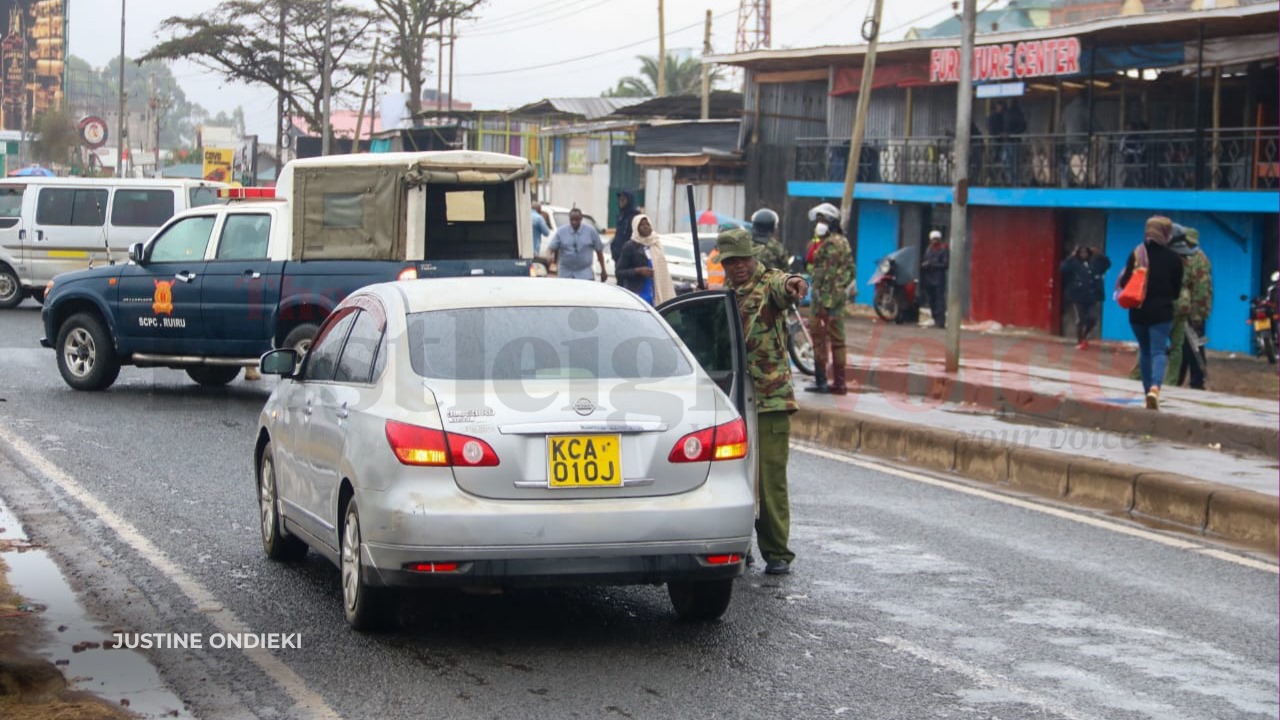
The technology will rely on smart cameras and road sensors to continuously analyse traffic flow and congestion patterns. Using artificial intelligence, the system will automatically adjust signal timing to reduce bottlenecks without the need for police officers to manually control traffic.
“You don’t have to walk into a junction to adjust signal timings any more. Everything happens from the control room,” KURA wrote.
Authorities say this will significantly reduce the number of traffic police officers stationed at intersections as automation takes over coordination during peak hours.
Each smart junction will also be fitted with cameras capable of detecting vehicles and reading automated number plates. The system will identify red-light violations, speeding, and helmet compliance among boda boda riders.
It will further calculate the number of passengers in vehicles and automatically transmit detected offences for enforcement, paving the way for digital traffic policing. Officials also say it will improve emergency response by detecting sudden changes in traffic flow linked to accidents or disruptions.
The Nairobi Intelligent Transport System was first approved by Cabinet in February 2024 as part of broader efforts to modernise traffic management through automation and digital monitoring.






































Comments
Sign in with Google to comment, reply, and like comments.
Continue with Google