MPs propose part-time roles for TSC chair, commissioners to save Sh70 million annually
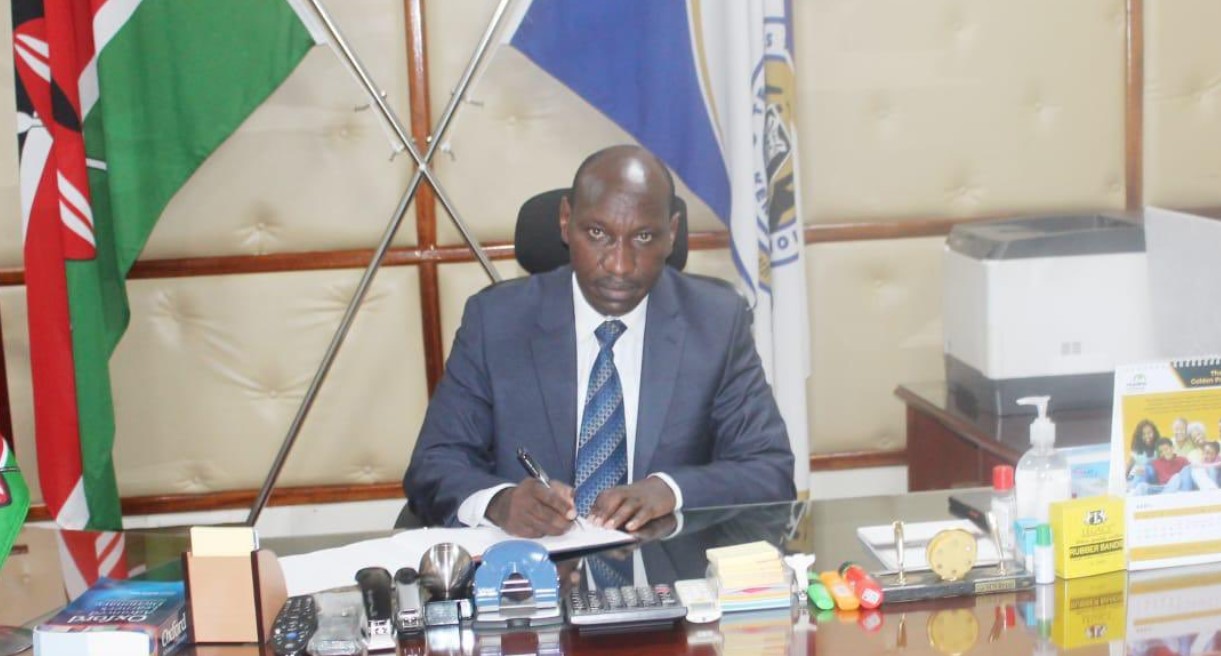
Parliament is reviewing a Bill to convert TSC chair and commissioners to part-time roles, aiming to save about Sh70 million annually while expanding representation for primary, secondary, TVET teachers and lecturers.
Parliament is reviewing a bill that could save taxpayers millions by changing the Teachers Service Commission (TSC) chairperson and commissioners from full-time to part-time roles, a move aimed at cutting operational costs while improving representation for teachers.
The Teachers Service Commission (Amendment) Bill, 2025, sponsored by Kimilili MP Didmus Barasa, seeks to reform the Commission’s structure, giving teachers greater influence over who represents them and potentially streamlining operations across the education sector.
More To Read
- Teachers to stay in same schools after promotions under new TSC policy
- Court clears TSC CEO recruitment petition for full trial
- TSC announces recruitment of 9,159 teachers nationwide
- Senators demand permanent jobs for 20,000 junior secondary intern teachers
- Tension mounts as school heads, teachers’ union reject new TSC leadership structure
- TSC calls on teachers to embrace professional development for CBE curriculum
Barasa presented the Bill before the National Assembly Budget and Appropriations Committee on Tuesday, explaining that the changes could save Kenyans about Sh70 million annually.
The proposal also seeks to amend Section 6(3) of the TSC Act, Cap 212, to ensure that primary and secondary school teachers, as well as lecturers and TVET instructors, are eligible for nomination to the Commission by the president.
"There is a lot of interference in the work of the Secretariat, which has a team of competent staff. The Commissioners do not need to sit from Monday to Thursday, January to December," Barasa told the committee.
"Through this Bill, I am proposing that primary school teachers elect someone to represent them on the Commission, and the same applies for secondary school teachers, lecturers and TVET instructors, to ensure fairness in the management of teachers.
He noted that serving teachers with dignity requires proper representation of their leaders on the Teachers Service Commission.
“We want to serve our teachers with dignity, and this can only be achieved if their leaders are properly represented on the Commission. Parliament would be unfair if we do not enact this law. Let us not trivialise the work that the TSC does,” he said.
Barasa outlined the financial benefits of the reform, estimating an expenditure reduction of Sh71.6 million in the first year, rising to Sh75.2 million in year two, and Sh78.9 million in year three.
Under the proposed part-time arrangement, commissioners would hold at least six sittings per financial year, with a sitting allowance of Sh40,000 per member and Sh50,000 for the chairperson.
Currently, full-time commissioners receive a monthly salary of Sh650,000, with the chairperson earning Sh765,000. Other benefits include mortgage facilities, medical cover, official transport, airtime allowance and service gratuity. Barasa noted that part-time commissioners would reduce these costs significantly while maintaining oversight of the Commission’s operations.
He also indicated plans to extend similar reforms to other constitutional commissions, including the Commission on Revenue Allocation (CRA) and the Salaries and Remuneration Commission (SRC).
The TSC is responsible for managing teaching resources across primary and secondary schools and Teachers Training Colleges (TTCs), covering an estimated 400,000 educators. Barasa compared the proposed reforms to Uganda, where commissioners serve full-time four-year terms, renewable once.
The Budget and Appropriations Committee will review the Bill before recommending the next steps in Parliament.
Meanwhile, Shinyalu MP Fredrick Lusuli Ikana appeared before the same committee to present the Public Service Commission (Amendment) Bill, 2025. The Bill seeks to establish a legal framework for performance management in public service, including a Negotiation and Evaluation Committee to oversee performance contracting, ensure compliance and improve efficiency across public institutions.
Other Topics To Read
Top Stories Today