High Court halts Sh208 billion Kenya–US health deal over privacy, constitutional concerns
The suspension applies specifically to any component of the deal involving the transmission or handling of personal health, epidemiological or other sensitive medical data.
The High Court has frozen the execution of the contentious Sh208 billion Kenya–United States health cooperation agreement, handing a major interim victory to petitioners who argue that the deal threatens Kenyans' constitutional rights.
Justice Bahati Mwamuye issued the conservatory orders in a petition lodged by the Consumers Federation of Kenya (COFEK), which is seeking to invalidate the pact.
More To Read
- Omtatah files court petition to halt Kenya–US health deal, cites unconstitutionality
- Health Ministry denies sharing Kenyans’ private medical data under US partnership
- Ministry of Health assures public of data privacy in new US cooperation deal
- Kenya becomes first country to seal direct health funding pact with US
- Kenya reasserts sovereignty amid US scrutiny over China ties
- Kenya, South Africa vow to fight back against Trump’s new trade tariffs
The judge directed that the government must stop any steps toward enforcing the framework until the challenge is heard.
According to the ruling, the State and its representatives are barred from "implementing, operationalising, or in any way giving effect" to the Health Cooperation Framework signed on December 4, 2025.
The suspension applies specifically to any component of the deal involving the transmission or handling of personal health, epidemiological or other sensitive medical data.
Justice Mwamuye instructed COFEK to serve all respondents with the petition and the orders both physically and electronically and to file proof of service by December 17, 2025.
The respondents have until January 16, 2026, to respond. The matter will return to court before Justice Lawrence Mugambi on February 12, 2026, for directions on fast-tracking the hearing.
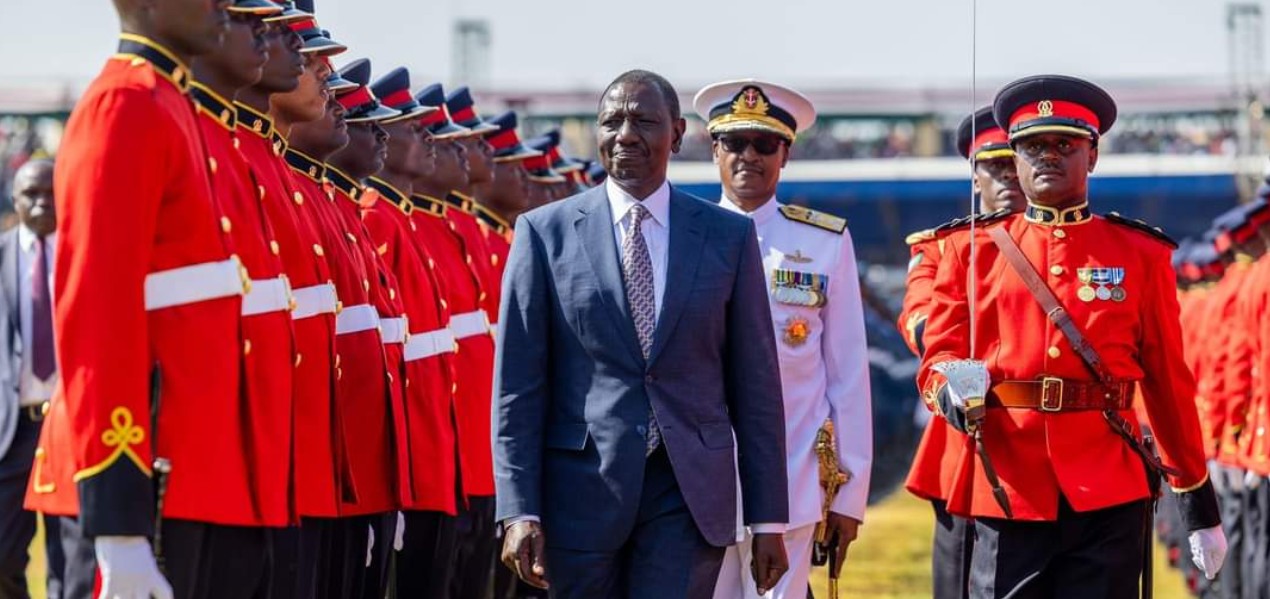
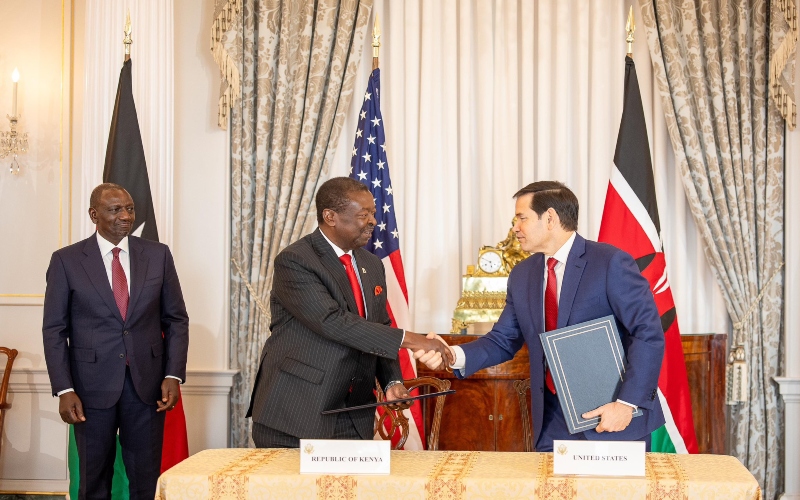
The bilateral agreement was signed in Washington, D.C., by Prime Cabinet Secretary and Foreign Affairs CS Musalia Mudavadi and US Secretary of State Marco Rubio, in an event graced by President William Ruto.
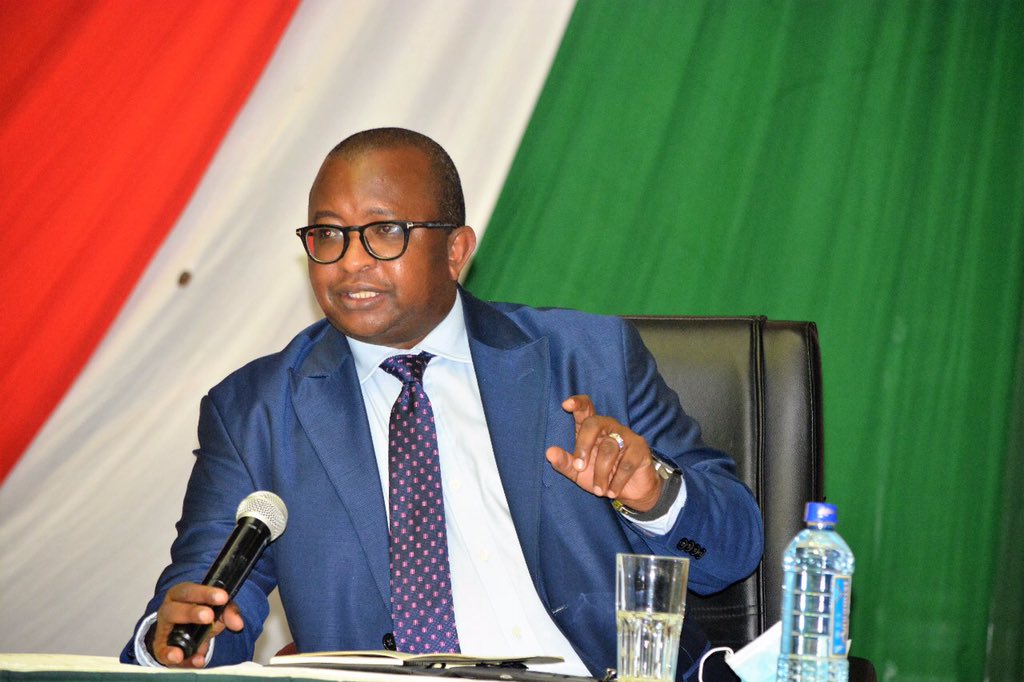
COFEK, through its chairperson Stephen Mutoro, argues that the provision allowing the exchange of health data violates Kenyan law and constitutional privacy protections.
The lobby claims that consumers—who generate the health data in question—were sidelined in the decision-making process, contrary to the principles of public participation under Article 10.
The federation faults the government for allegedly breaching statutes, including the Data Protection Act, the Digital Health Act, the Health Act, and the Digital Health (Data Exchange Component) Regulations of 2025.
These laws, it says, require strict safeguards before any sharing of health-related information can occur. COFEK has listed Health CS Aden Duale, Mudavadi, and Attorney General Dorcas Oduor as respondents.
The controversial agreement is facing a second legal onslaught from Busia Senator Okiya Omtatah, who has also sought orders to freeze its implementation.
In his application dated December 10, 2025, Omtatah asks the court to halt any expenditure, contracting, or policy changes stemming from the framework until his petition is resolved.
He argues that the structure of the deal—where funds are channelled directly through Kenyan government institutions without third-party oversight—exposes public funds to potential abuse.
He further contends that Kenya's obligation to match the US contribution, estimated at US$850 million, poses a fiscal risk in the absence of a thorough economic analysis.
Omtatah also asserts that the framework could undermine constitutional rights, including the right to health and equality, by attaching aid to "reform momentum" and US geopolitical priorities. Such conditions, he says, may skew health policies toward foreign interests at the expense of universal, non-discriminatory access to healthcare.
Both petitions will be heard separately, with the High Court expected to determine whether the deal stands on firm constitutional ground.
Top Stories Today