Shingles vaccine linked to lower dementia risk, study finds
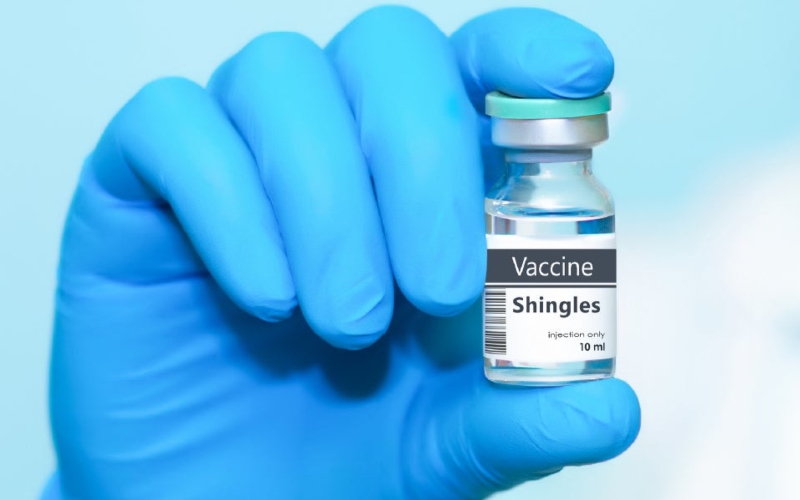
A study of over 280,000 older adults in Wales found the shingles vaccine was linked to a 20 per cent lower dementia risk and improved survival in people already diagnosed.
A recent study has revealed that the shingles vaccine may have additional benefits for brain health, including reducing the risk of dementia and slowing its progression in people who already have the condition.
The study, published in Nature, analysed health records of over 280,000 adults in Wales aged 71 to 88, examining the effects of a shingles vaccination programme that began in 2013.
The researchers found that older adults who had received the vaccine were 20 per cent less likely to develop dementia over the following seven years compared to those who did not receive the vaccine.
A follow-up indicated that the shingles vaccine might also benefit those already diagnosed with dementia.
Among 7,049 adults with dementia, nearly half died within nine years, but only 30 per cent of those who had received the vaccine died during the same period. This suggests that the vaccine may have both preventive and therapeutic effects for dementia.
The research focused on a vaccination programme limited to a specific age group. By comparing individuals born only a week apart, the researchers ensured that the groups were otherwise similar, isolating the effect of the vaccine on dementia risk.
Shingles is a viral infection caused by the Varicella zoster virus, the same virus that causes chickenpox. After a person recovers from chickenpox, the virus can remain inactive in the nerve cells and reactivate later in life as shingles.
It usually causes a painful, blistering rash on one side of the body or face and can be accompanied by burning or tingling sensations, headaches, fever, and fatigue. In some cases, it can lead to complications such as postherpetic neuralgia, where nerve pain persists long after the rash heals.
The vaccine helps prevent shingles or reduce its severity if it occurs. It works by boosting the immune system to keep the Varicella zoster virus in check, reducing the risk of the virus reactivating. The vaccine is especially recommended for older adults, as the risk of shingles and its complications increases with age.
Dementia, on the other hand, is a condition in which a person’s memory, thinking, and reasoning gradually decline, making it difficult to perform everyday activities. According to the World Health Organisation (WHO), it is not a normal part of ageing and results from damage to brain cells.
Common symptoms include memory loss, confusion about time or place, difficulty finding words or understanding speech, poor judgment, and changes in mood or behaviour such as depression, anxiety, or social withdrawal.
People with dementia may also struggle with daily tasks like cooking, managing money, or taking care of themselves, and in some cases, they may experience problems with movement or coordination. The condition is progressive, meaning it typically worsens over time and affects both cognitive abilities and the ability to live independently.
Dementia has no cure, but symptoms can be managed, and decline slowed through a combination of medical, lifestyle, and supportive interventions. Medications like cholinesterase inhibitors and memantine can help improve memory, thinking, and daily functioning, while controlling risk factors such as high blood pressure or diabetes may prevent further brain damage.
The disease is a serious global health threat.
Approximately 57 million people worldwide are living with the condition, and nearly 10 million new cases are diagnosed each year. As populations continue to age, the number of people affected is expected to rise sharply, with projections suggesting that by 2050, as many as 153 million people could be living with the condition, according to the WHO.
In Kenya, while exact figures are harder to determine due to limited reporting, estimates indicate that the burden of dementia is increasing rapidly.
In 2019, about 87,000 people in Kenya were living with dementia, and projections suggest that by 2050, this number could exceed 360,000.
Some studies suggest that dementia may affect up to 9 per cent of older adults in Kenya, thereby hundreds of thousands of individuals could require care and support as the population ages.
Top Stories Today