How Trump–Ruto health deal fills the void left after USAID exit
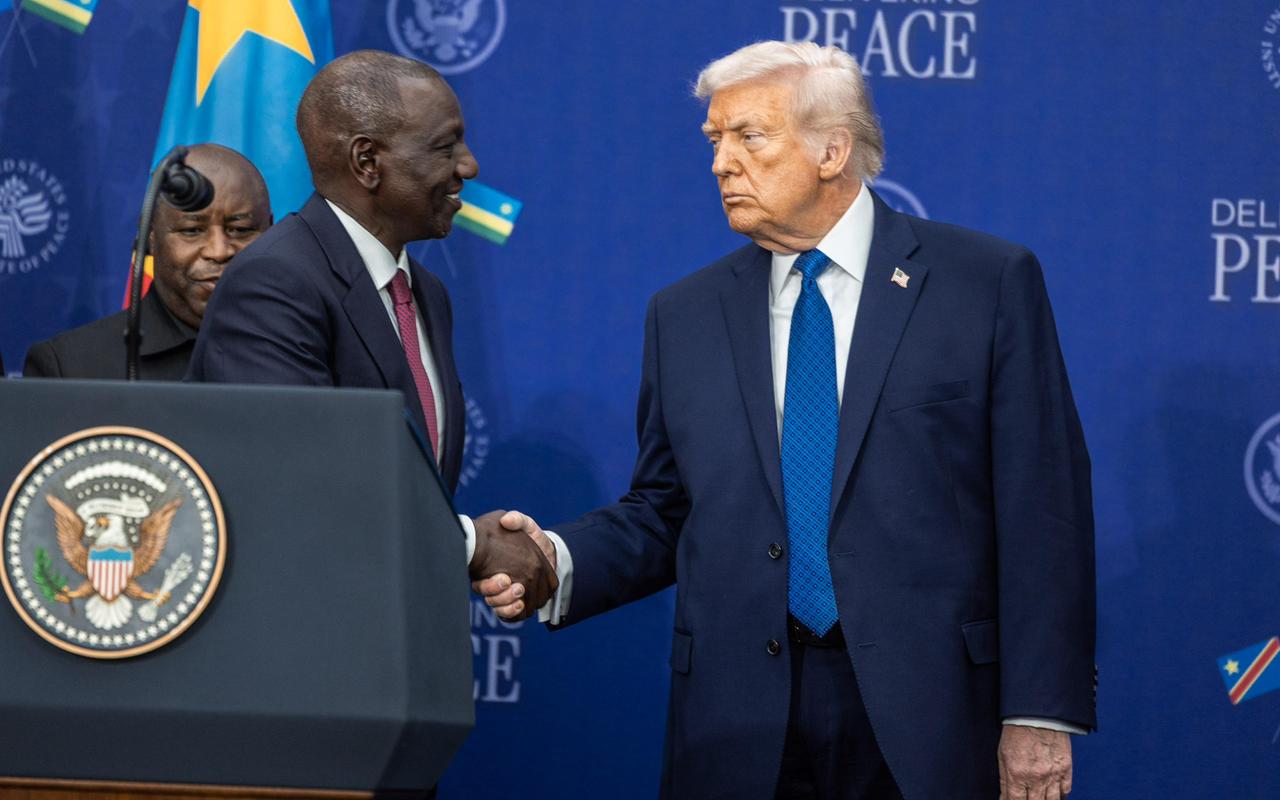
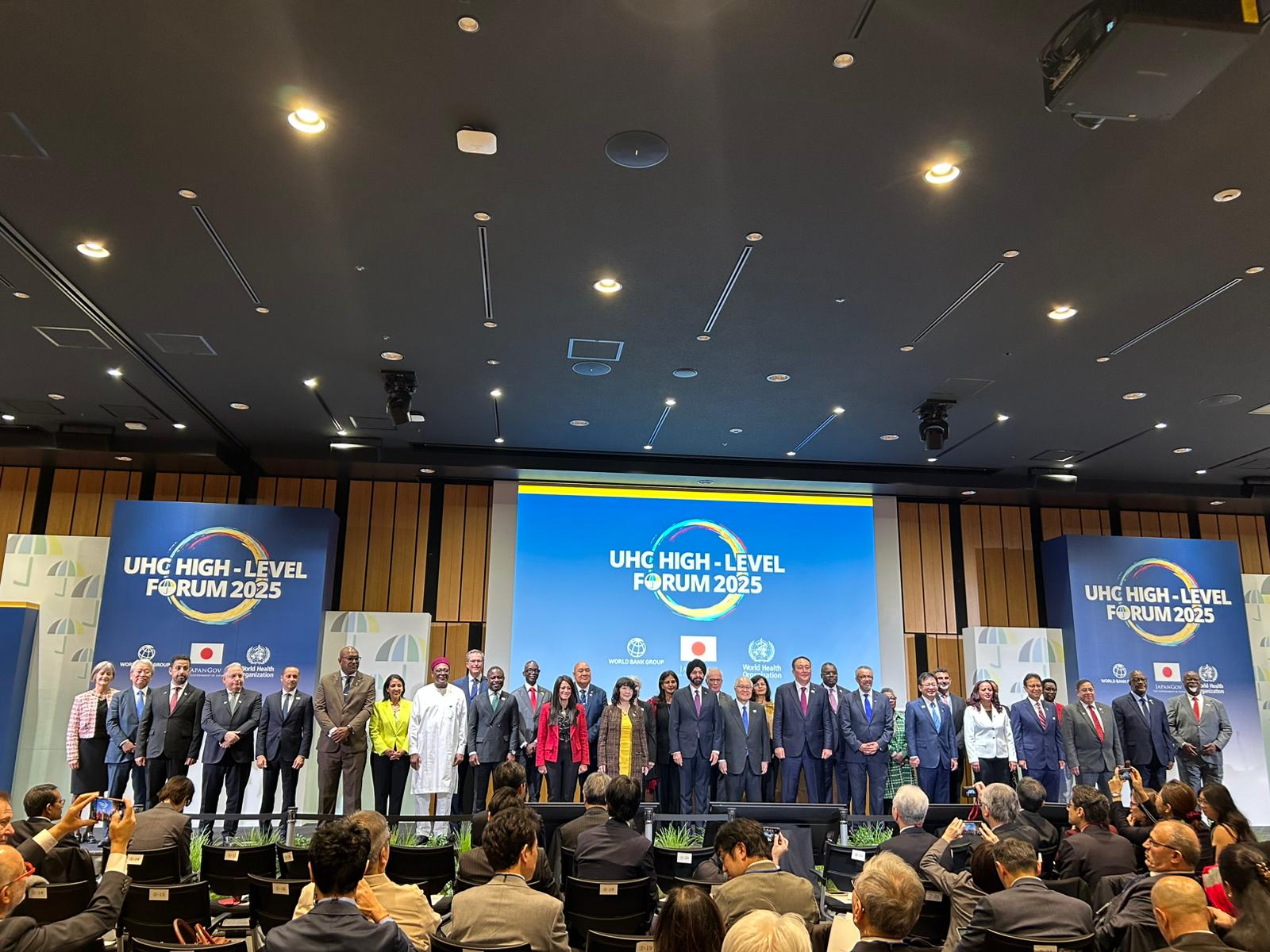
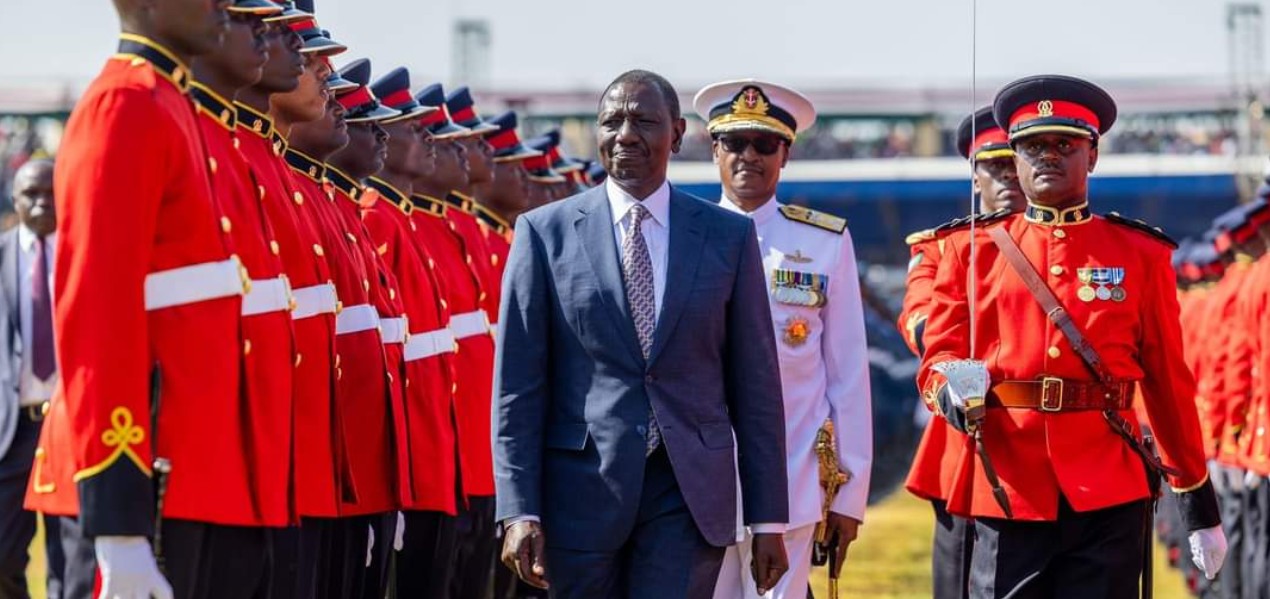
Ruto witnessed the signing of a landmark agreement with the United States, securing a US$1.6 billion (Sh208 billion) investment in Kenya’s health sector over the next five years.
President William Ruto’s agreement with United States President Donald Trump on substantial funding for Kenya’s health sector comes as a major boost, nearly a year after the exit of the United States Agency for International Development (USAID).
According to economic and health sector stakeholders, the deal offers much-needed relief following funding cuts that severely affected several critical health programmes.
More To Read
- UN hails DR Congo-Rwanda peace deal amid ongoing hostilities in the east
- Scepticism grows over DR Congo-Rwanda peace deal
- KMTC students to start accessing Helb loans after final talks next week
- UNAIDS hails Kenya–US health framework as major boost for HIV response
- Kenya, US sign Sh208 billion health cooperation deal to transform to strengthen primary care, services
- DR Congo, Rwanda vow to uphold Trump-backed peace deal
On Thursday, President Ruto’s move to strike a fresh deal with President Trump renewed hope for a sector that has been struggling with unprecedented financial shortages.
Ruto witnessed the signing of a landmark agreement with the United States, securing a US$1.6 billion (Sh208 billion) investment in Kenya’s health sector over the next five years.
Kenya becomes the first country in Africa to enter into a government-to-government (G2G) health funding arrangement with the US.
The agreement channels direct funding to key government systems, including the Social Health Authority (SHA), the Directorate of Health Accounts (DHA), the Kenya Medical Supplies Authority (KEMSA), the Integrated Financial Management Information System (IFMIS), the Ministry of Health (MoH), and the National Public Health Institute (NPHI).
The new Cooperation Framework builds on a strategic health partnership between Kenya and the US spanning more than 25 years, in which the United States has invested over US$70 billion (Sh9.1 trillion), the largest bilateral health contribution to Kenya.
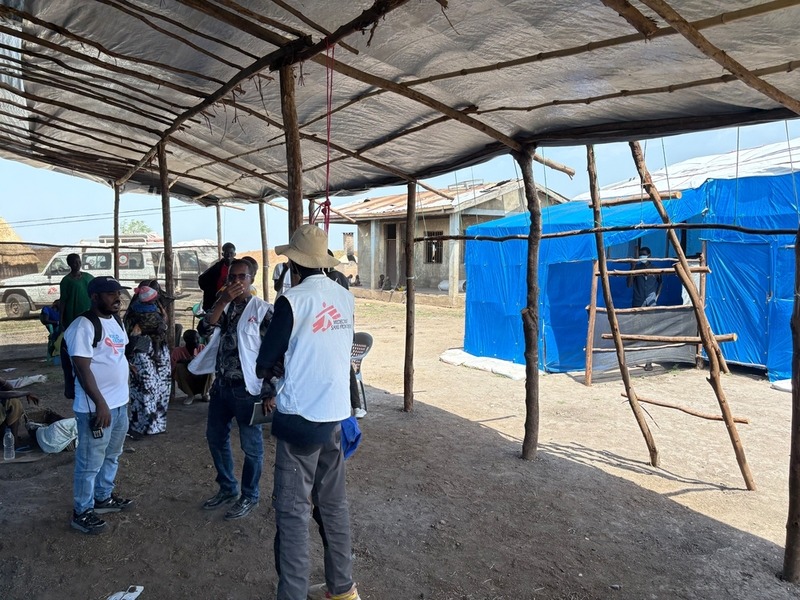
In January 2025, President Trump issued an executive order pausing US foreign assistance for a 90-day review. This was followed by stop-work orders that froze almost all US foreign assistance, except for limited waivers, drastically reducing global health funding. In July 2025, the US Congress confirmed major cuts through a rescissions package. These sudden reductions were introduced without preparation or alternative funding, severely disrupting Kenya’s health system.
During his visit to the United States, President Ruto stated that the new framework “adds momentum to my administration’s universal health coverage, focusing on the supply of modern equipment to our hospitals, efficient and timely delivery of commodities to our facilities, and health insurance that leaves no Kenyan behind.”
Historically, most of this funding was delivered through donor-led programmes such as PEPFAR and the Global Fund, primarily implemented by non-state partners. While these initiatives have been impactful, the model created dependency, inefficiencies, and high administrative costs, with only about 40 per cent of funds reaching frontline health workers and essential supplies.
The new G2G funding model aims to tackle these challenges by promoting sustainability, accountability, and Kenyan ownership.
Under the agreement, the United States will support the phased transition of procurement and distribution of medical commodities to KEMSA by December 2026. It will also fund the absorption of 515 laboratory workers and 13,293 other health workers by 2028.
The funding will further strengthen disease detection and emergency response capacity, based on the 7-1-7 epidemic preparedness model.
“The United States’ contributions are conditional upon an annual increase in both the national and county health budgets as follows: Sh10 billion in FY 2026/27, Sh20 billion in FY 2027/28, Sh35 billion in FY 2028/29, and Sh50 billion in FY 2029/30,” reads a statement from the Ministry of Health.
The United States has historically been a key supporter of Kenya’s public health programmes. Between 2020 and 2025, USAID committed approximately US$2.5 billion (around US$470 million per year) to Kenya, with 80 per cent of this funding allocated to health-related initiatives.
Top Stories Today