WHO warns of rising malaria threat in Kenya as mosquitoes develop insecticide resistance
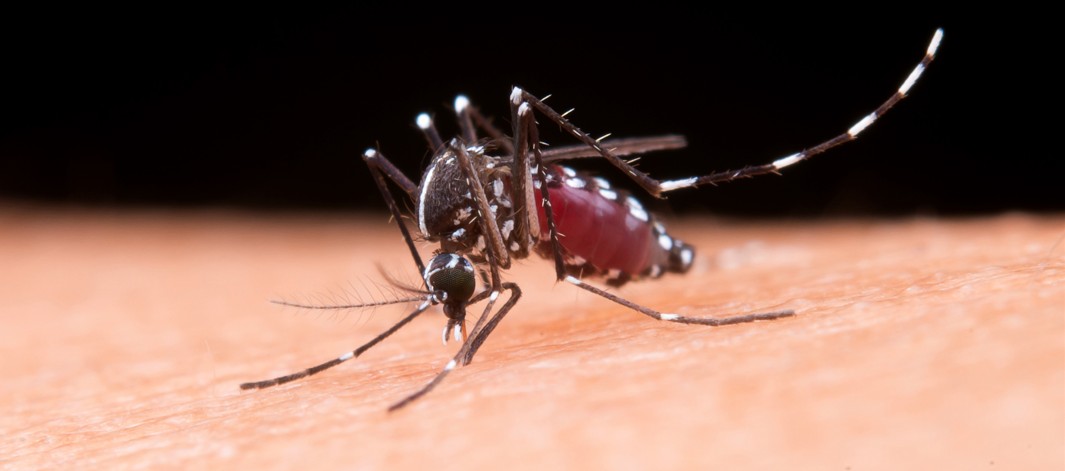
The World Malaria Report 2025 warns that failure to address resistance could reverse years of progress in reducing infections and deaths across the country.
Kenya is facing a rising malaria threat as mosquitoes develop resistance to the insecticides commonly used to control them, a new report by the World Health Organisation (WHO) shows.
The World Malaria Report 2025 warns that failure to address resistance could reverse years of progress in reducing infections and deaths across the country.
More To Read
- Kenya’s malaria cases jump 27 per cent to 4.1 million in 2025, WHO report reveals
- Malaria surge unlikely in western Kenya this season, early-warning report finds
- Malaria: Drug resistance and underfunding threaten progress towards eliminating killer disease
- Study warns climate shifts could widen malaria risk across Africa
- KEMRI, Health Ministry warn of potential malaria outbreak in Kakamega
- Africa faces looming malaria crisis as funding cuts threaten to reverse progress
According to the report, tools such as dual-insecticide nets, vaccines and chemoprevention have had a measurable impact, but the emergence of resistant mosquito species and drug-resistant parasites could undermine these gains if urgent action is not taken.
The species Anopheles stephensi, first detected in Kenya in December 2022, breeds in urban water containers, survives harsh dry-season conditions and is resistant to multiple classes of insecticides, making its control particularly challenging.
“The distinct behavioural characteristics of this vector make its control challenging and heighten the risk of urban malaria transmission,” reads the report.
The report warns that insecticide resistance is widespread and growing, posing a threat to effective malaria vector control. Without proper mitigation, the burden of disease is likely to increase, potentially reversing years of progress achieved over the last decade.
In the Horn of Africa, An. Stephensi has already demonstrated resistance to carbamates, pyrethroids, and organophosphates.
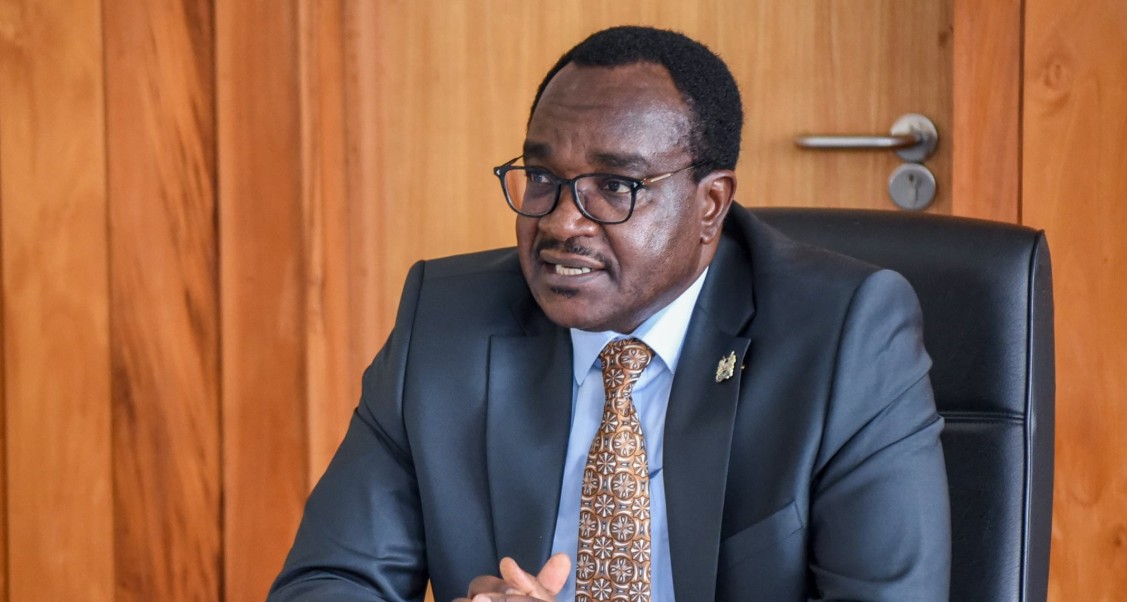
Dr Eric Ochomo of the Kenya Medical Research Institute (KEMRI) said, “It has the potential to be a problem in the future, especially in our urban settings, but it is not yet there. We should focus on existing vectors like Anopheles gambiae and Anopheles funestus, but keep watching.”
Globally, malaria cases and deaths continue to rise. In 2024, there were an estimated 282 million malaria cases and 610,000 deaths worldwide, with the vast majority occurring in Africa, mostly among children under five.
WHO Director General Tedros Adhanom Ghebreyesus cautioned that the problem is not limited to mosquitoes.
“There are early signs of declining efficacy of the drugs that are combined with artemisinin. The undetected and unaddressed spread of drug resistance could have devastating consequences, undermining years of progress. Changes in the genetic make-up of parasites in some locations are undermining the reliability of rapid diagnostic tests,” Ghebreyesus said.
Experts also note that Kenya has introduced next-generation bed nets treated with two insecticides instead of one, making it harder for mosquitoes to survive.
“That metabolic system for the mosquito is challenged by two insecticides at the same time. For the most part, they are not able to cope,” Ochomo said.
The country has also switched to a different class of chemicals for indoor residual spraying, currently being used in Busia County. Research on spatial repellents has shown promise in protecting more households, though the high cost remains a challenge.
“The challenge is that they are expensive. That is the tough problem that the national malaria programme has to deal with,” he said.
WHO provides guidance and tools to monitor and manage insecticide resistance, including the Global plan for insecticide resistance management in malaria vectors (GPIRM), test procedures, digital tools for data collection and analysis, a global resistance database and the Malaria Threats Map for interactive visualisation. Through the Vector Control Advisory Group and the Guideline Development Group, WHO evaluates new tools and issues recommendations once their public health value is confirmed.
Despite the challenges, interventions are saving lives. The report notes that seasonal malaria chemoprevention has expanded to 20 African countries, reaching 54 million children in 2024, while malaria vaccines have been rolled out in 24 countries, protecting millions. Since 2000, global malaria interventions have prevented an estimated 2.3 billion cases and 14 million deaths.
However, funding gaps threaten progress. In 2024, US$3.9 billion was invested globally in malaria response, less than half the US$9.3 billion target set for 2025. WHO notes that reductions in official development assistance have disrupted health systems, slowed campaigns and increased the risk of stock-outs.
Dr Martin Fitchet, CEO of Medicines for Malaria Venture, said, “The World Malaria Report is clear: drug resistance is advancing. Our response must be equally clear: new medicines with new mechanisms of action. The development of the first non-artemisinin combination therapy, Ganaplacide–Lumefantrine, is proof that this is possible. Together with a global partnership of expertise, commitment and funding, we can stay ahead of resistance and deliver new medicines to ensure malaria is no longer a threat.”
WHO has urged malaria-endemic countries to maintain political commitment, strengthen surveillance, invest in new tools and engage communities to sustain progress.
“New tools for the prevention of malaria are giving us new hope, but we still face significant challenges. Increasing numbers of cases and deaths, the growing threat of drug resistance, and the impact of funding cuts all threaten to roll back the progress we have made over the past two decades. However, none of these challenges is insurmountable. With the leadership of the most-affected countries and targeted investment, the vision of a malaria-free world remains achievable,” Ghebreyesus said.
The World Malaria Report 2025 highlights that while progress has been made, continued vigilance, investment and innovation are critical to prevent reversals and achieve malaria elimination goals.
Top Stories Today